EN
EN

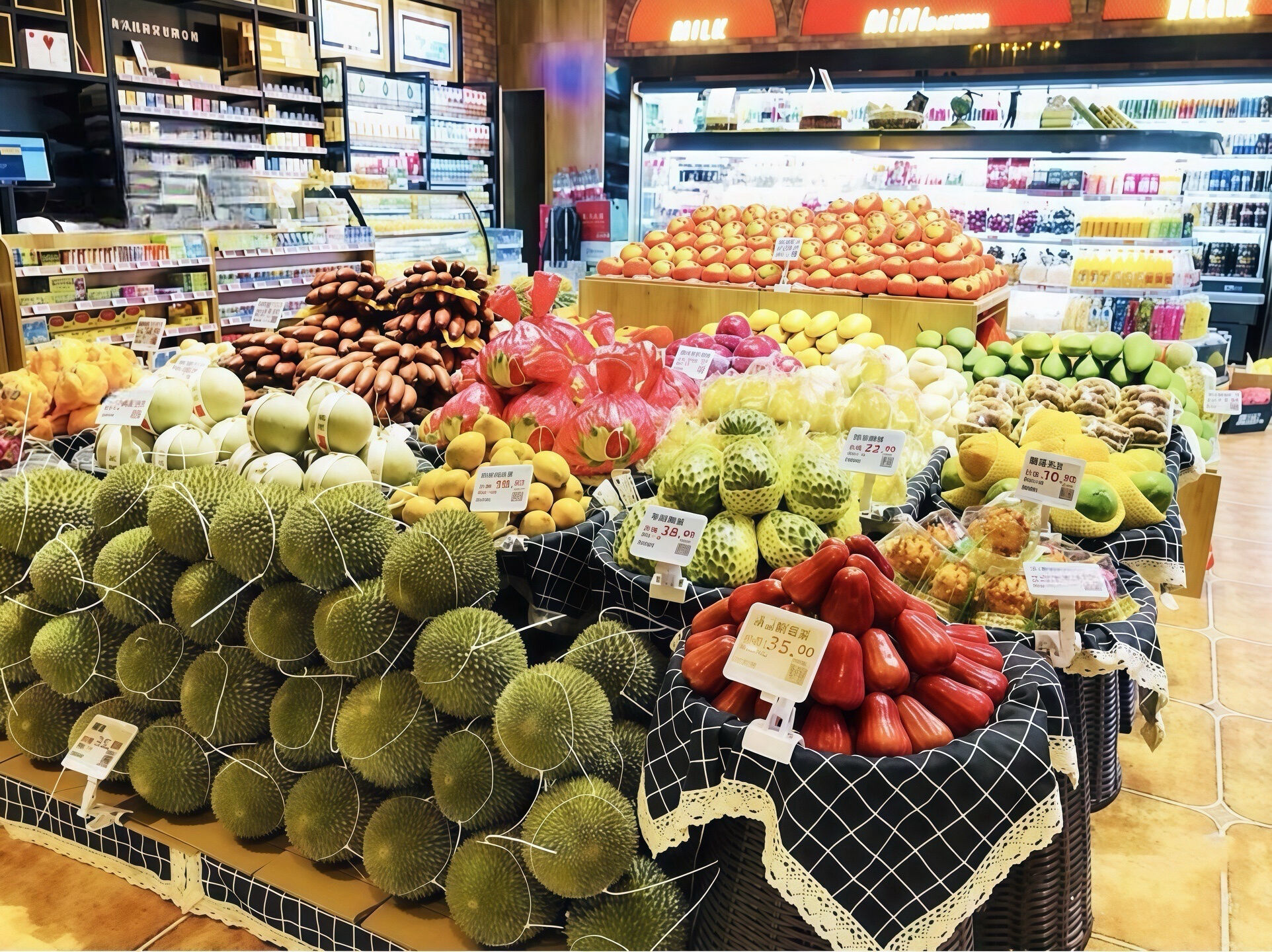
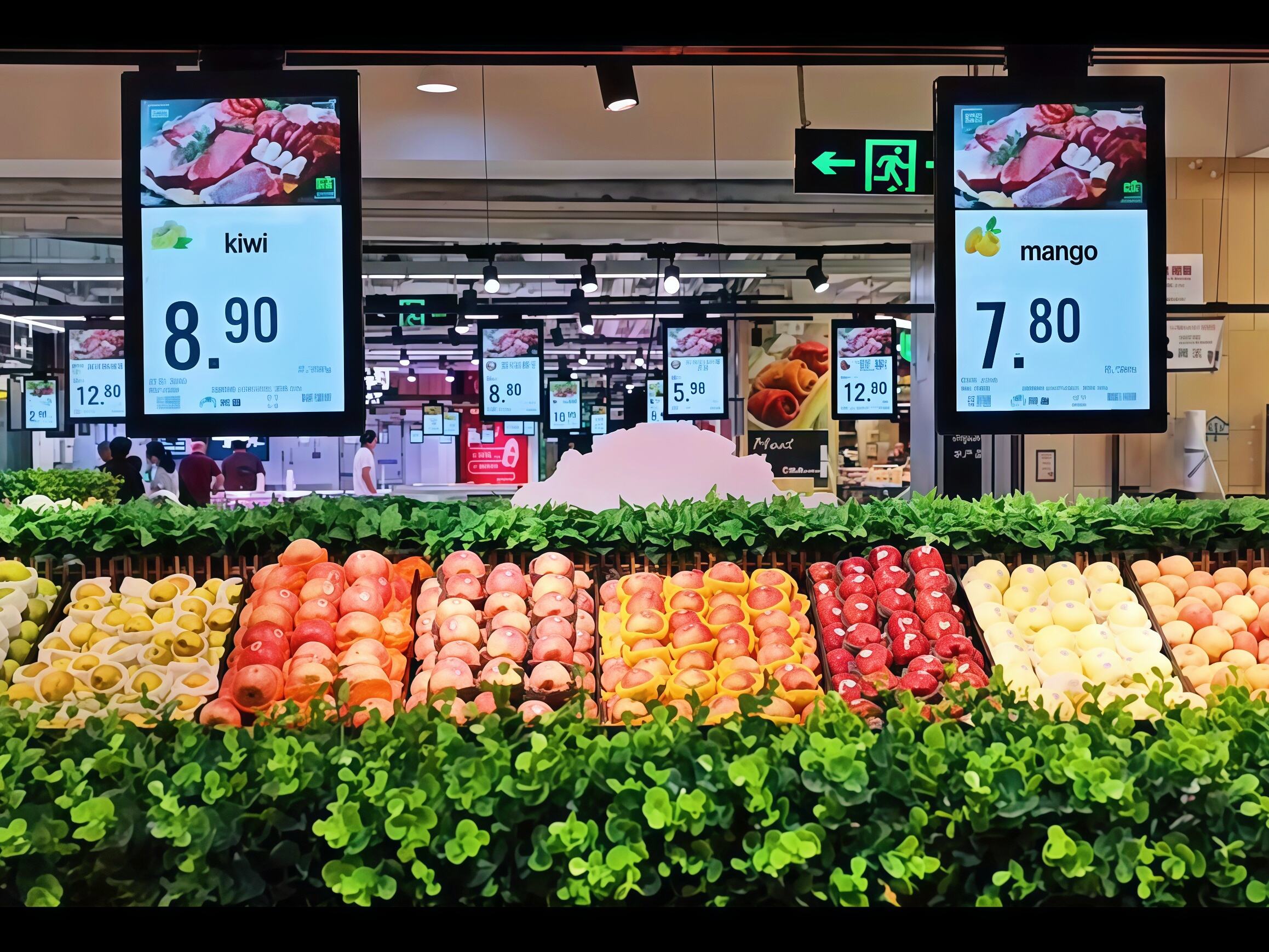
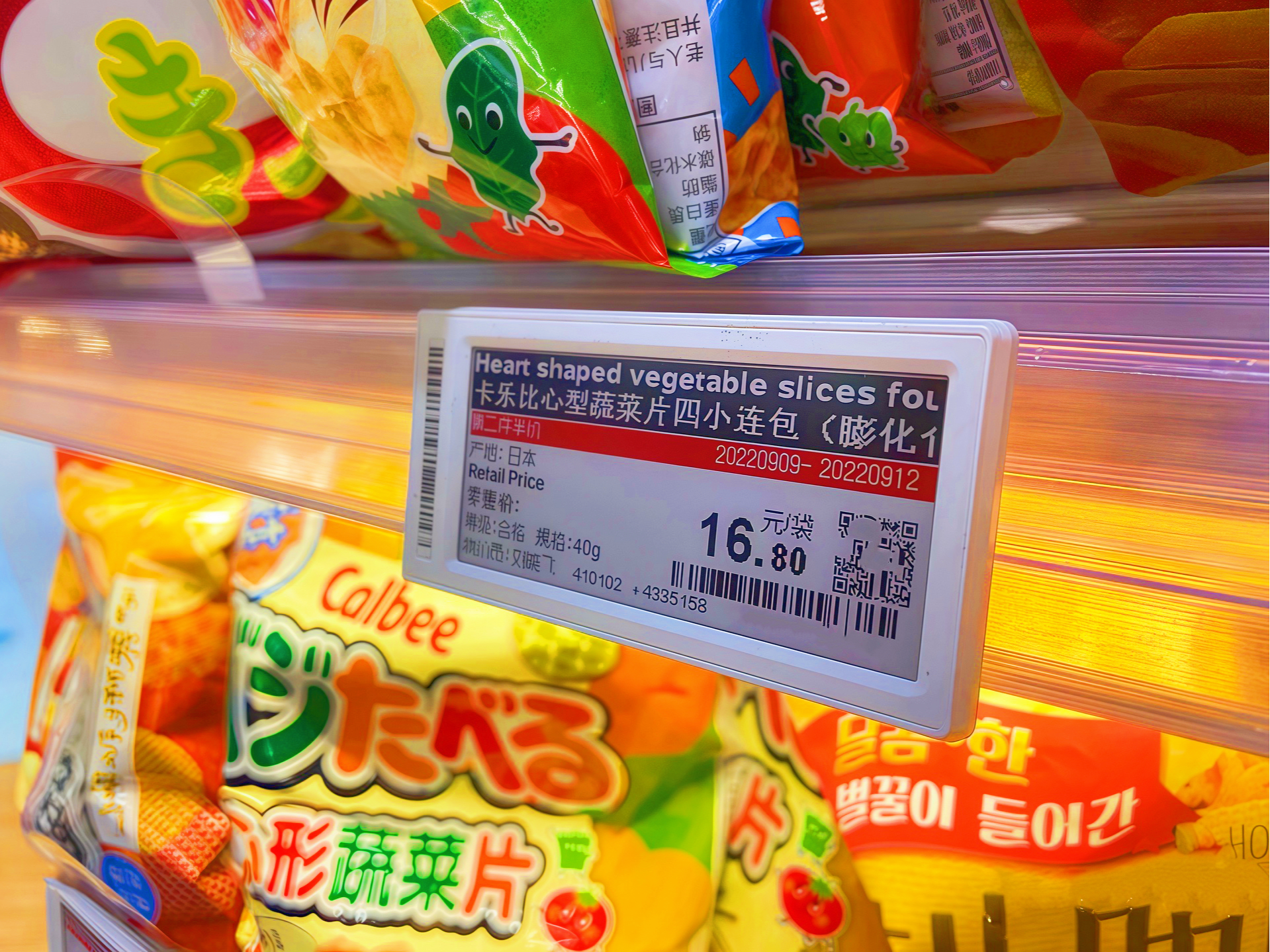
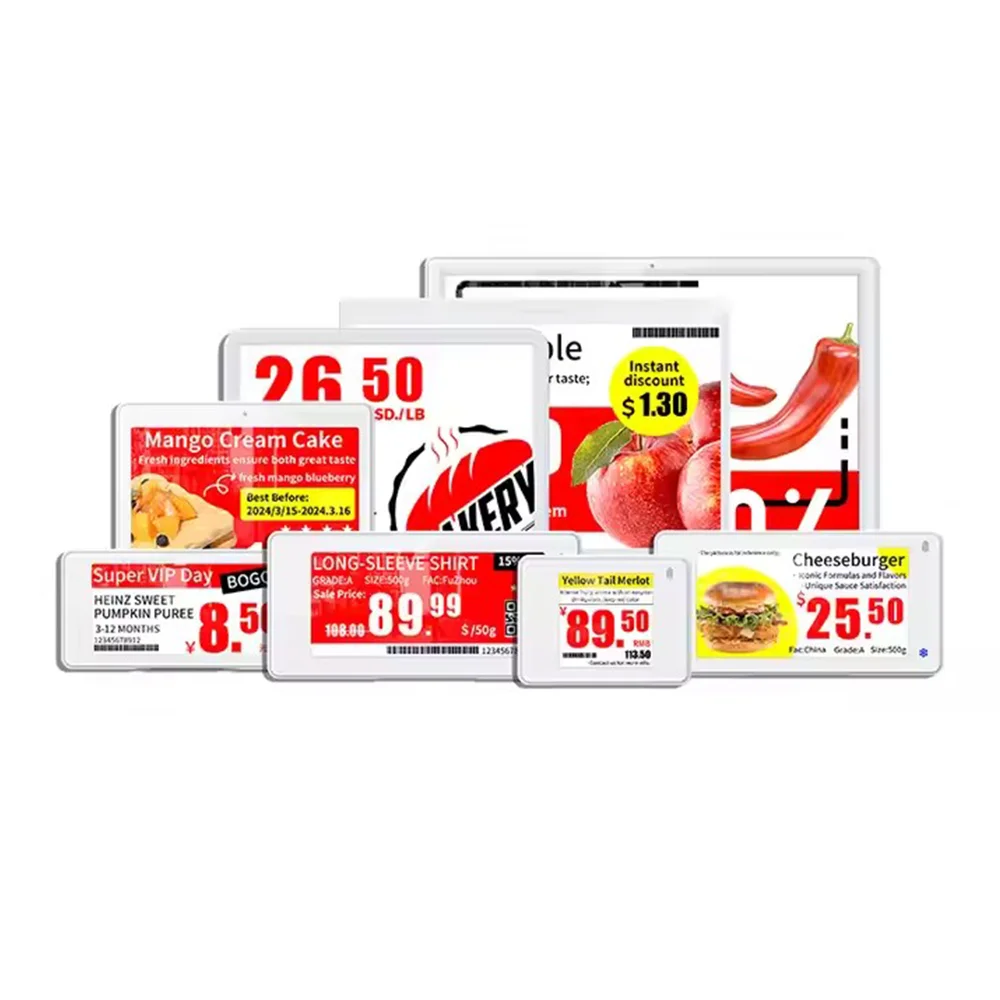
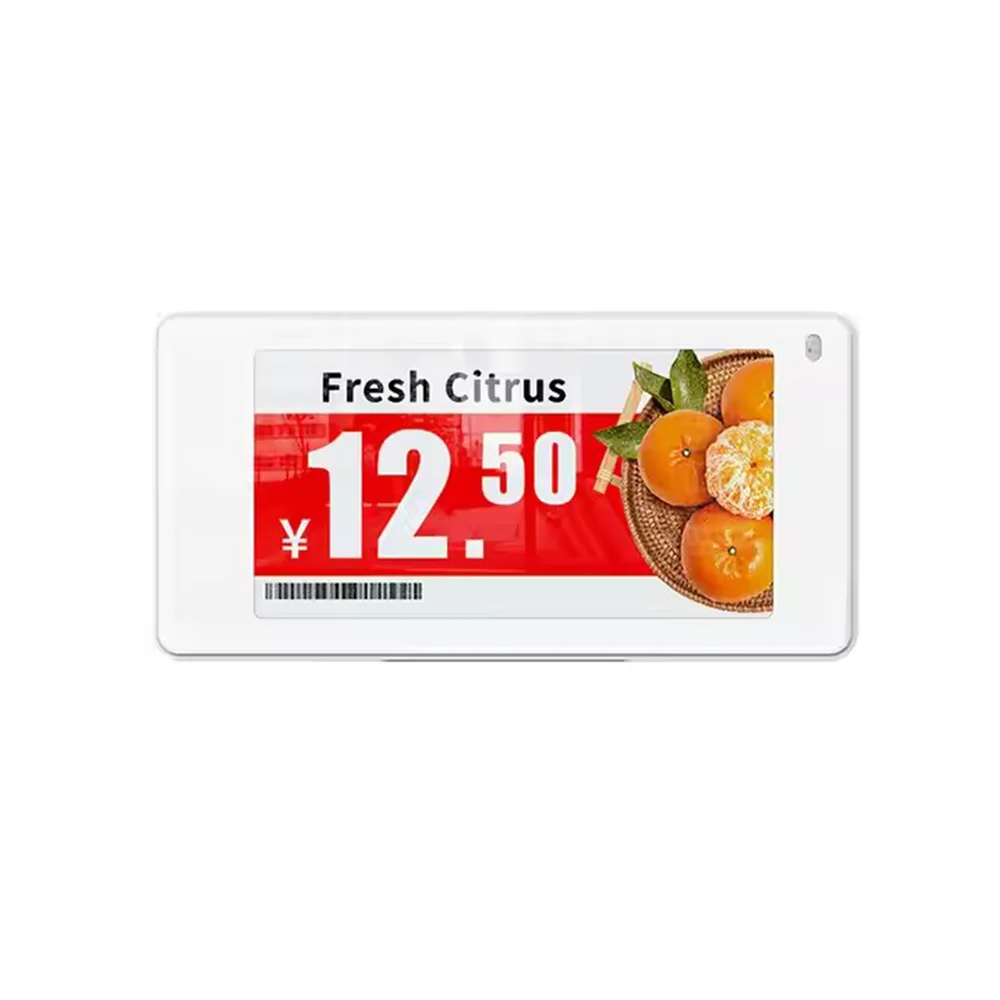
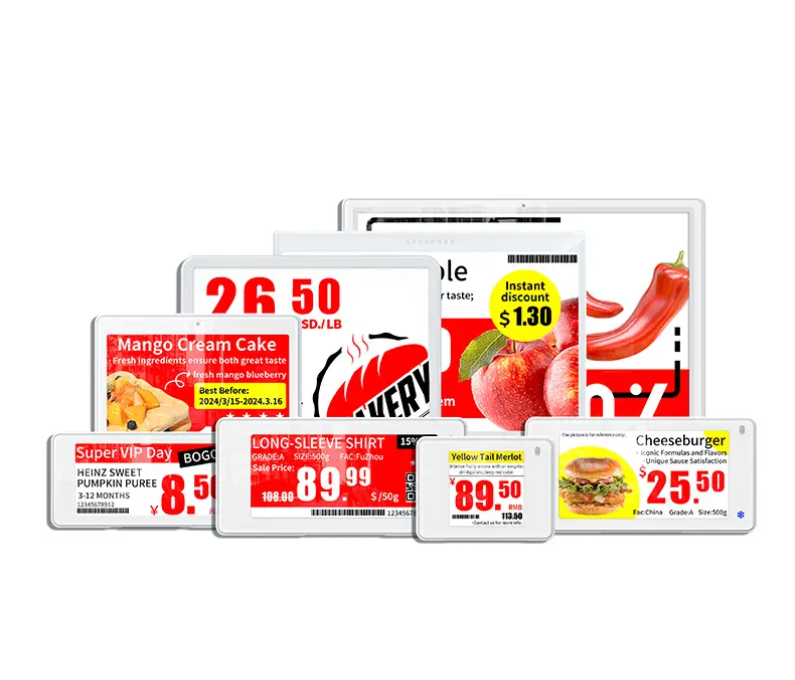
Electronic shelf labels or ESLs are changing the game when it comes to old fashioned paper price tags. These little digital screens run on batteries and connect to the cloud, letting store managers handle all sorts of stuff related to pricing, sales events, and product information for literally thousands of different items right from one control panel. When stores stop having to manually change those paper labels and start updating prices centrally instead, they see massive improvements. Some reports show pricing mistakes drop around 98%, plus everything stays compliant with local pricing laws everywhere. Take a look at what happened in Europe where big grocery stores got into ESLs early on. They saw their inventory move out of stores about 40% quicker because these digital labels kept shelf prices perfectly synced up with what registers charged customers.
Retailers today are really struggling to keep up with all the factors affecting their pricing decisions. Competitors change prices constantly, supply chains get disrupted, and customer demand swings back and forth. Digital price tags have changed the game though. Stores can now update prices every hour during busy shopping times, which gives them a real edge since around three out of four shoppers check both what's on the shelf and what shows up online before buying anything. This kind of flexibility matters a lot when costs are rising everywhere. Retailers need to hold onto their profit margins without losing customers to cheaper options elsewhere, and these smart pricing systems help them do just that.
Old school pricing systems are just asking for trouble. We saw this firsthand when a 2022 retail checkup revealed that nearly 1 out of every 8 paper price tags had wrong numbers on them. Electronic Shelf Labels fix this mess because they update prices across all store locations almost instantly. Take a pharmacy chain in the Midwest as an example they saved around 320 man hours each week once they switched to ESLs. And guess what? Customer gripes about prices not matching dropped by almost 90%. These digital labels do more than just show prices right. They actually talk back to the system too. So if someone moves products to the wrong shelf or stock starts running low, the system sends out warnings automatically. It creates kind of a retail environment that fixes itself before problems get really bad.
The retail sector is bleeding money due to pricing mistakes, with an estimated $740,000 lost every year according to Ponemon's 2023 report. These errors come mainly from old school methods such as hand written price tags and slow updating procedures. Looking at industry data, we find that medium sized shops spend around 50 hours each week fixing wrong prices and promotion mix ups. That amounts to roughly what six and a half full time workers would cost for stores generating $10 million in annual sales. The solution? Electronic shelf labels have proven effective in cutting down these pricing issues by almost all margins when they sync automatically with point of sale and stock management systems across the board.
Switching out those paper price tags can slash the time spent on labeling work by about 80 percent. That means over 150 staff hours get freed up each month so employees can focus more on helping customers directly. For big retailers operating multiple locations, having all prices match perfectly between stores becomes much easier when updates happen through the cloud system. No more worrying about different prices showing up in different regions which could lead to legal problems down the road. According to recent research in the retail sector back in 2024, stores that adopted electronic shelf labels actually cut their overtime expenses around 34%. And they managed this impressive feat while keeping prices accurate at nearly 99.8% even during busy holiday shopping periods when mistakes tend to happen most often.
| Cost Factor | Traditional Tags | ESL System (5-Year) |
|---|---|---|
| Labor per store | $210,000 | $42,000 |
| Material waste | $18,500 | $1,200 |
| Error-related losses | $92,500 | $925 |
Though ESL implementation costs $60k-$120k per store, retailers achieve full ROI in 12-18 months through labor reductions and error prevention. Chains with 10+ locations report 5-year savings exceeding $400k per store, with dynamic pricing capabilities increasing gross margins by 2-5% through optimized promotions.
Electronic Shelf Labels (ESLs) are transforming retail operations by addressing three critical workforce challenges: repetitive tasks, system fragmentation, and labor optimization.
ESLs eliminate time-consuming manual price updates, reducing labor costs by up to 15% while reallocating 7 hours weekly per employee to customer-facing roles. This shift enables staff to resolve customer inquiries 23% faster according to retail efficiency benchmarks, directly improving satisfaction scores.
Modern ESL systems synchronize with inventory management software and POS terminals, slashing pricing discrepancies by 98% in multi-store operations. A 2024 retail technology report found organizations using integrated systems reduced stockouts by 34% and improved price change implementation speed by 6x compared to manual methods.
Contrary to concerns about automation reducing headcount, 72% of retailers using electronic price tags report maintaining staffing levels while increasing productivity metrics. Employees transition to higher-value tasks like personalized merchandising and sales strategy execution, with 68% of workers surveyed noting improved job satisfaction after ESL implementation.
According to a recent survey from the National Retail Federation in 2023, about 89 out of every 100 shoppers say having prices that match everywhere they shop makes for better retail experiences overall. These electronic price tags basically get rid of those annoying situations where what's on the shelf doesn't match what rings up at checkout, which helps prevent people from abandoning their carts when they see unexpected charges. Stores that have implemented these digital tags are seeing around a two thirds drop in pricing mistakes compared to old fashioned manual approaches. The clear LCD and LED screens make it much easier to read prices for everyone walking through the store, including folks who might struggle with vision issues.
Modern electronic shelf labels transform static price displays into interactive hubs. Shoppers can scan integrated QR codes to access:
Smart electronic price tags enable surgical marketing precision, coffee shops automatically display pastry discounts during morning rushes, while pharmacies highlight allergy medicine promotions during high-pollen days. Retailers using these contextual campaigns achieve:
| Strategy | Impact | Time to Implement |
|---|---|---|
| Flash sales | 41% uplift in impulse purchases | 2-3 minutes |
| Loyalty-member pricing | 34% increase in program signups | Real-time |
| Localized offers | 28% higher redemption rates | Store-level control |
The Dynamic Pricing Institute reports retailers using AI-driven promotional timing with electronic price tags achieve 19% higher profit margins compared to static weekly sales.
Electronic price tags enable retailers to shift from static pricing models to dynamic strategies informed by live market data. Stores using these systems adjust prices 300% more frequently than those relying on manual methods, capitalizing on factors like demand surges and competitor movements.
Centralized dashboards linked to Electronic Shelf Labels (ESLs) let managers set rules for automatic adjustments, when inventory drops below 20%, prices rise 5%, or when a rival's online price dips, matching occurs within minutes. This responsiveness reduces margin erosion by 18% during promotional overlaps according to 2023 retail operations data.
During a sudden heatwave, stores with ESLs boosted patio furniture prices by 12% while discounting winter coats, changes deployed chain-wide in 47 seconds. This precision helps capture €2.1M in annualized revenue that manual processes typically miss (European Retail Council 2023).
Emerging AI tools analyze foot traffic patterns and basket combinations to recommend optimal pricing clusters. A pilot program showed ESL-integrated AI increased average transaction values by 6.3% by dynamically pricing complementary items like raising sunscreen prices 3% when swimwear sales spike.
Electronic Shelf Labels (ESLs) are battery-operated digital displays that show pricing and product information on retail shelves. They are connected to a cloud-based system that allows centralized updates and management, reducing manual errors and synchronizing prices with checkout systems.
ESLs benefit retailers by reducing labor costs associated with manual price changes, minimizing pricing errors, and improving compliance with pricing laws. They enable dynamic pricing strategies, enhance inventory management, and improve the overall customer experience through clear and consistent pricing.
No, ESLs do not necessarily replace retail jobs. Instead, they allow employees to shift from repetitive manual tasks to higher-value roles such as customer service and sales strategy, enhancing overall employee productivity and job satisfaction.
The return on investment (ROI) from implementing ESLs typically occurs within 12 to 18 months. Retailers can save money through labor reductions and error prevention, with potential savings exceeding $400,000 per store over five years.
Yes, ESLs enhance customer experience by ensuring consistent pricing, reducing checkout discrepancies, and providing interactive product information through QR codes. They help in crafting personalized marketing and time-based promotions for a better shopping experience.
 Hot News
2024-09-14
2024-11-18
2023-11-14
2023-04-12
2019-07-11
We specialize in advanced electronic retail solutions to streamline operations and smarten up the shopping experience.