ESL in Retail: Smart Electronic Pricing Solutions [2024 Guide]

Get a Free Quote

Our representative will contact you soon.
Email
Name
Company Name
Message
0/1000

esl in retail

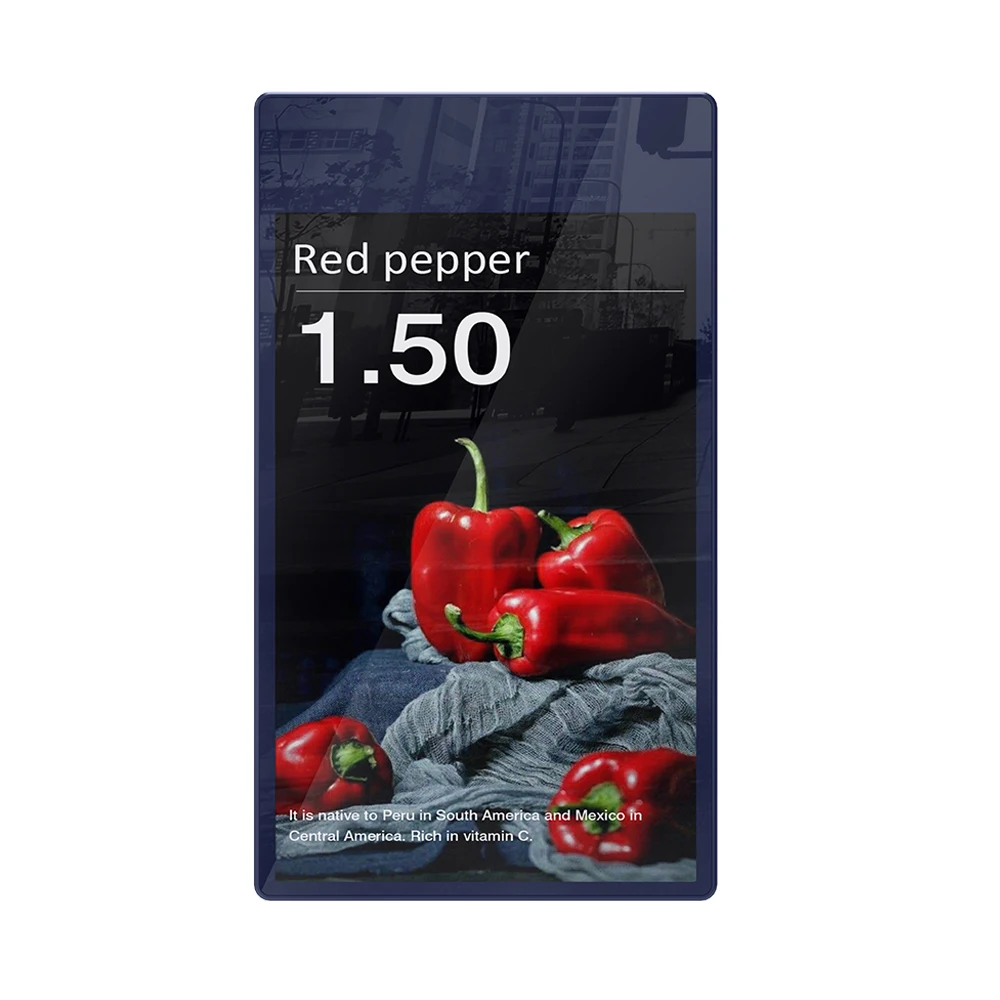
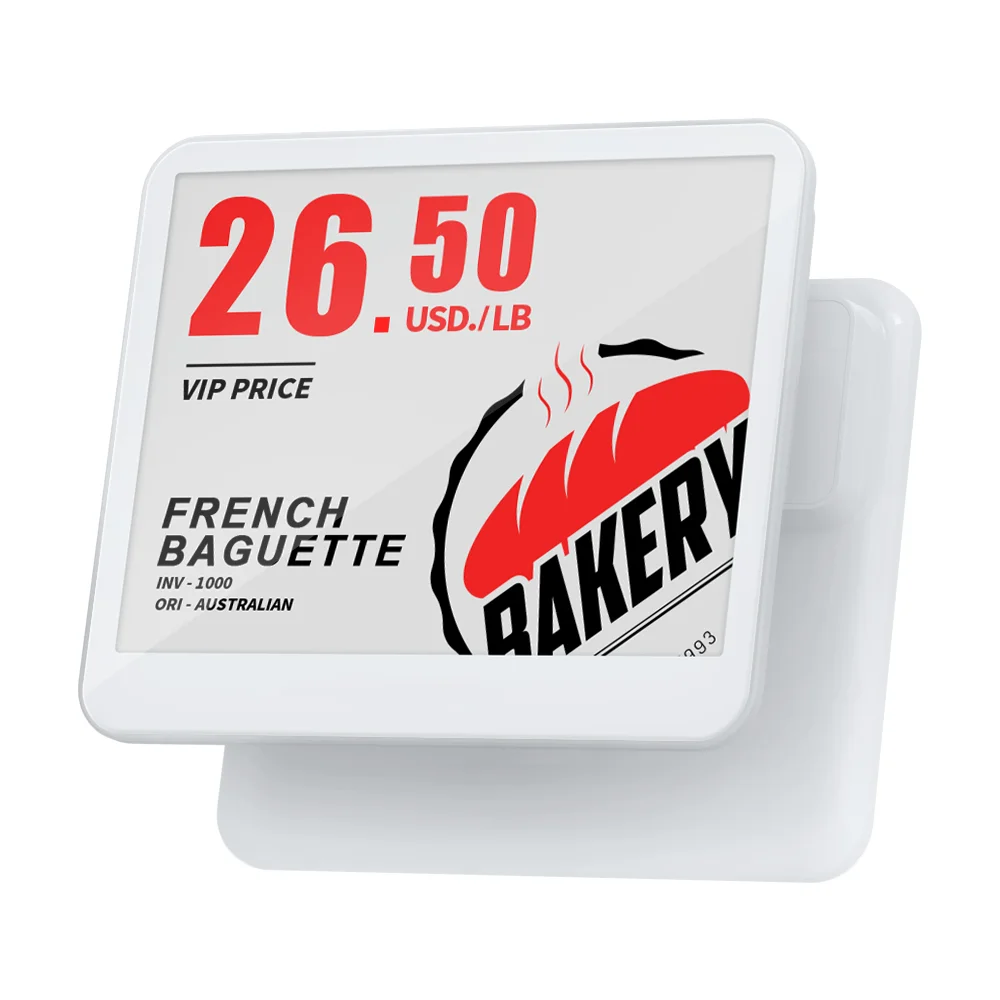
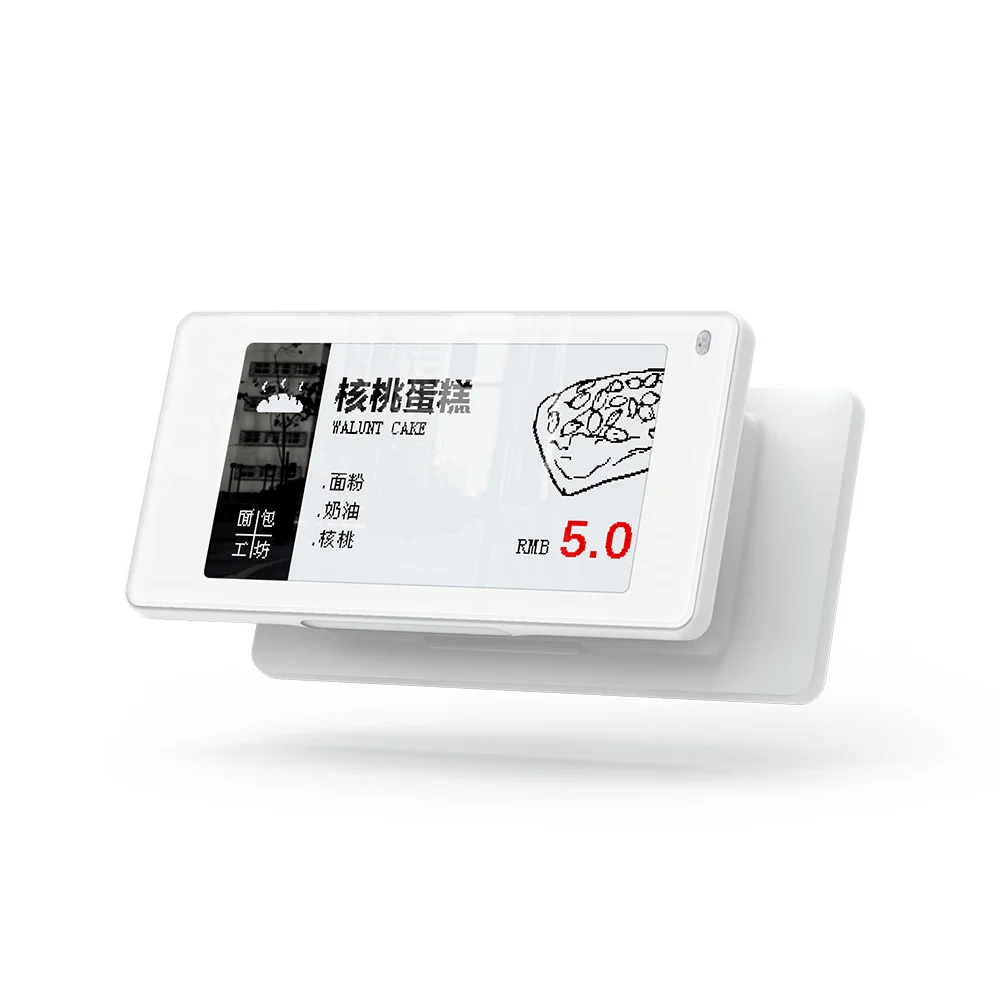
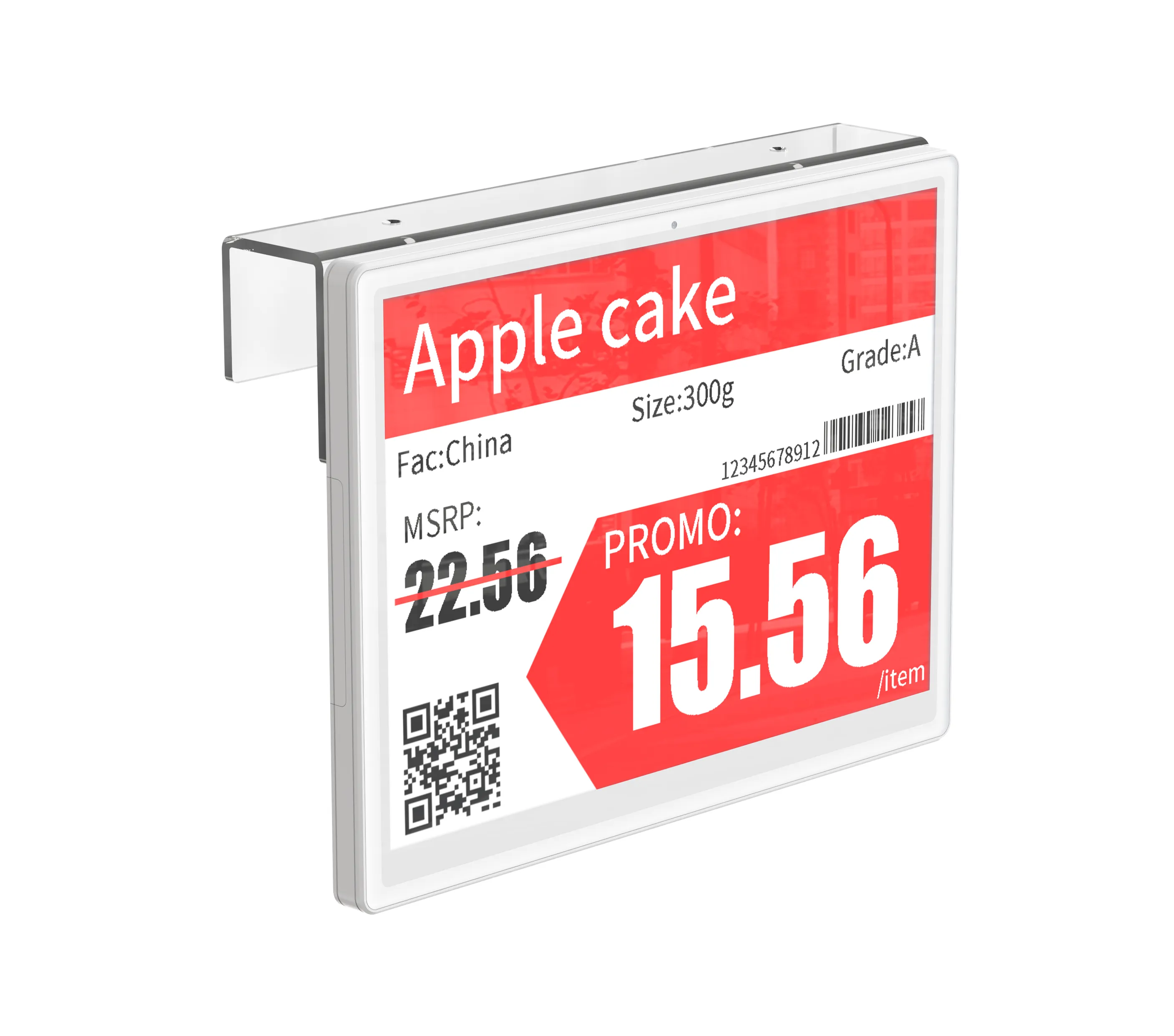
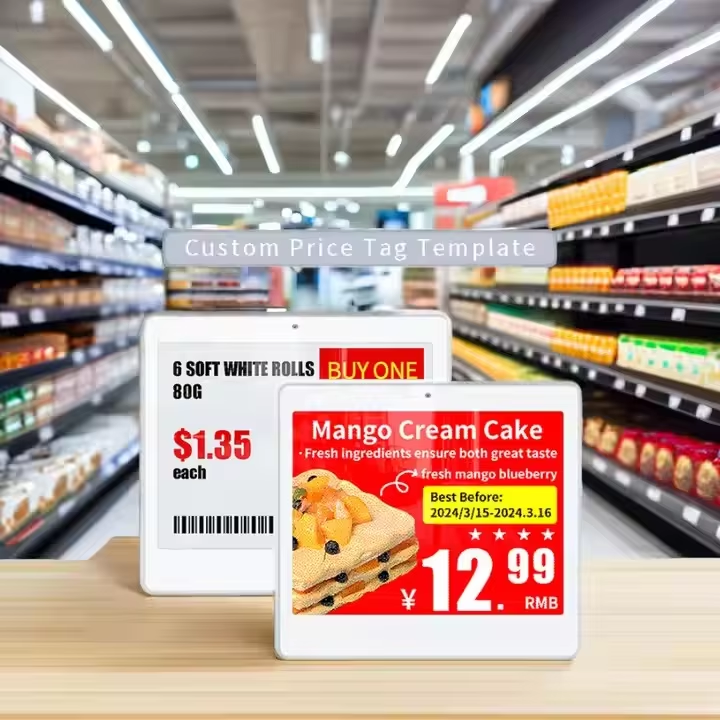
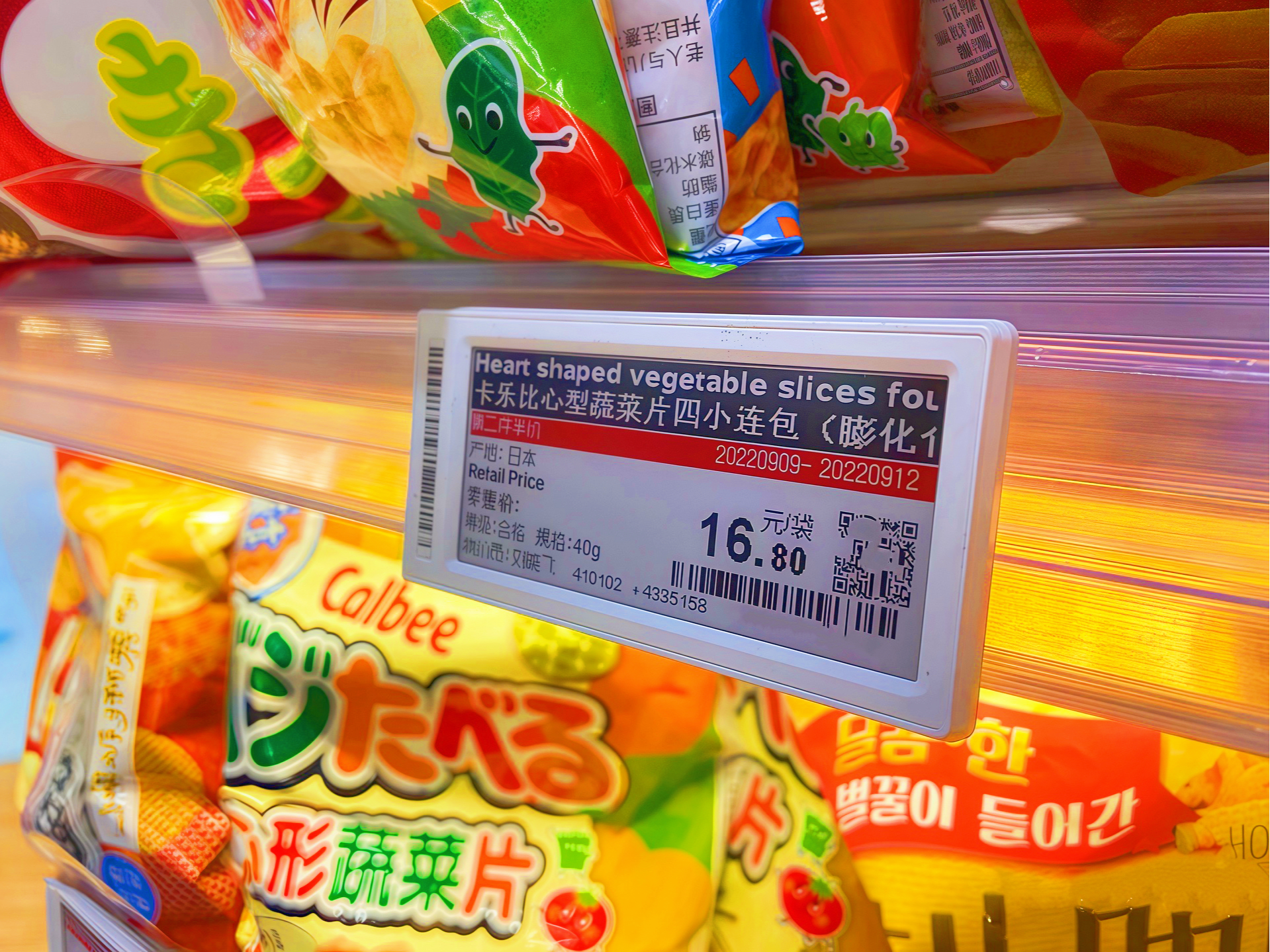
Electronic Shelf Labels (ESL) represent a revolutionary advancement in retail technology, transforming how stores manage pricing and product information. These digital displays replace traditional paper price tags, enabling real-time price updates and product information changes across entire store networks. ESLs utilize wireless communication systems to maintain synchronization with central databases, ensuring pricing accuracy and consistency across all channels. The system comprises three main components: the digital displays themselves, a wireless communication infrastructure, and a central management software platform. Modern ESLs feature high-contrast e-paper displays that are energy-efficient and easily readable in various lighting conditions. They can show not only prices but also additional product information, stock levels, promotional details, and even QR codes for enhanced customer engagement. The technology operates on long-lasting batteries, with some models lasting up to five years, reducing maintenance requirements. Advanced ESL systems can integrate with existing inventory management systems, e-commerce platforms, and point-of-sale systems, creating a seamless omnichannel retail experience. This technology is particularly valuable in dynamic retail environments where prices need frequent adjustment to remain competitive or respond to market conditions.

New Product Recommendations

The implementation of Electronic Shelf Labels in retail environments offers numerous compelling advantages that directly impact both operational efficiency and customer experience. First, ESLs dramatically reduce pricing errors and labor costs associated with manual price changes, allowing staff to focus on customer service rather than updating paper tags. The system enables instantaneous price updates across entire store networks, ensuring pricing consistency between physical shelves and online platforms. This synchronization is crucial for maintaining customer trust and compliance with pricing regulations. ESLs also contribute to significant environmental sustainability by eliminating paper waste from traditional price tags. The technology enables dynamic pricing strategies, allowing retailers to implement time-based discounts, competitive price matching, and inventory clearance promotions with unprecedented agility. From a customer perspective, ESLs provide enhanced shopping experiences through clear, consistent pricing display and access to detailed product information. The digital displays can show additional details such as product origins, nutritional information, and availability, empowering customers to make informed purchasing decisions. For retailers, the system provides valuable analytics on price changes, customer behavior, and inventory movements, enabling data-driven decision-making. The reduction in pricing errors also leads to fewer customer complaints and improved customer satisfaction. Furthermore, ESLs can integrate with smartphone applications, enabling personalized shopping experiences and interactive features such as product location services and personalized promotions.

Practical Tips

9. What Benefits Does an AI Barcode Scale Bring to Retail Efficiency?

24

Sep

9. What Benefits Does an AI Barcode Scale Bring to Retail Efficiency?

Revolutionizing Retail Operations with Smart Weighing Technology The retail landscape is experiencing a transformative shift with the integration of AI barcode scales into daily operations. These intelligent devices combine traditional weighing capab...
View More
16. How Can AI Cash Registers Enhance Customer Checkout Experience?

24

Sep

16. How Can AI Cash Registers Enhance Customer Checkout Experience?

The Evolution of Retail Checkout Technology The retail landscape has undergone a dramatic transformation with the emergence of AI cash registers, revolutionizing how businesses handle transactions and interact with customers. These intelligent system...
View More
3. Why Are Electronic Shelf Labels Essential for Smart Retail Management?

24

Sep

3. Why Are Electronic Shelf Labels Essential for Smart Retail Management?

Transforming Retail Operations with Digital Price Display Technology The retail landscape is undergoing a dramatic transformation, and at the heart of this revolution lies innovative technology that streamlines operations and enhances customer experi...
View More
4. What Factors Should Retailers Consider When Choosing Electronic Shelf Labels?

24

Sep

4. What Factors Should Retailers Consider When Choosing Electronic Shelf Labels?

The Evolution of Modern Retail Price Management Systems The retail landscape has undergone a dramatic transformation in recent years, with electronic shelf labels (ESL) emerging as a cornerstone of modern store operations. These digital displays are ...
View More

Get a Free Quote

Our representative will contact you soon.
Email
Name
Company Name
Message
0/1000

esl in retail

Real-time Price Management and Synchronization

Real-time Price Management and Synchronization

Electronic Shelf Labels revolutionize price management through instantaneous, centralized control across entire retail networks. This system enables retailers to update thousands of prices simultaneously, ensuring perfect synchronization between shelf prices and checkout systems. The real-time capability allows for dynamic pricing strategies, including automatic time-based promotions, competitive price matching, and immediate response to market changes. This feature is particularly valuable during peak shopping periods or when responding to competitor pricing. The synchronization eliminates pricing discrepancies between physical shelves and online platforms, reducing customer complaints and improving trust. Additionally, the system maintains a complete audit trail of price changes, simplifying compliance reporting and price verification processes.
Enhanced Operational Efficiency and Cost Reduction

Enhanced Operational Efficiency and Cost Reduction

The implementation of ESL systems dramatically transforms retail operations by eliminating the need for manual price updates. This automation saves significant labor hours previously spent changing paper price tags, allowing staff to focus on customer service and other value-adding activities. The system reduces human errors in pricing, which can lead to revenue loss and customer dissatisfaction. The long battery life of modern ESLs, typically lasting several years, minimizes maintenance requirements and associated costs. Furthermore, the elimination of paper price tags contributes to environmental sustainability while reducing ongoing material costs. The system also enables more efficient inventory management through real-time stock level display and automated reordering triggers.
Advanced Customer Experience and Analytics

Advanced Customer Experience and Analytics

ESLs significantly enhance the shopping experience by providing clear, consistent, and detailed product information at the shelf edge. The digital displays can show various types of content beyond pricing, including product details, nutritional information, allergen warnings, and promotional offers. QR codes on the displays can link customers to additional online content, reviews, or complementary products. The system can integrate with customer loyalty programs to display personalized prices and promotions. From an analytics perspective, ESLs provide valuable data on customer behavior, price sensitivity, and promotion effectiveness. This information enables retailers to optimize their pricing strategies and product placement based on actual customer interactions and sales patterns.

ESL in Retail: Smart Electronic Pricing Solutions [2024 Guide]

Get a Free Quote

Our representative will contact you soon.
Email
Name
Company Name
Message
0/1000