EN
EN

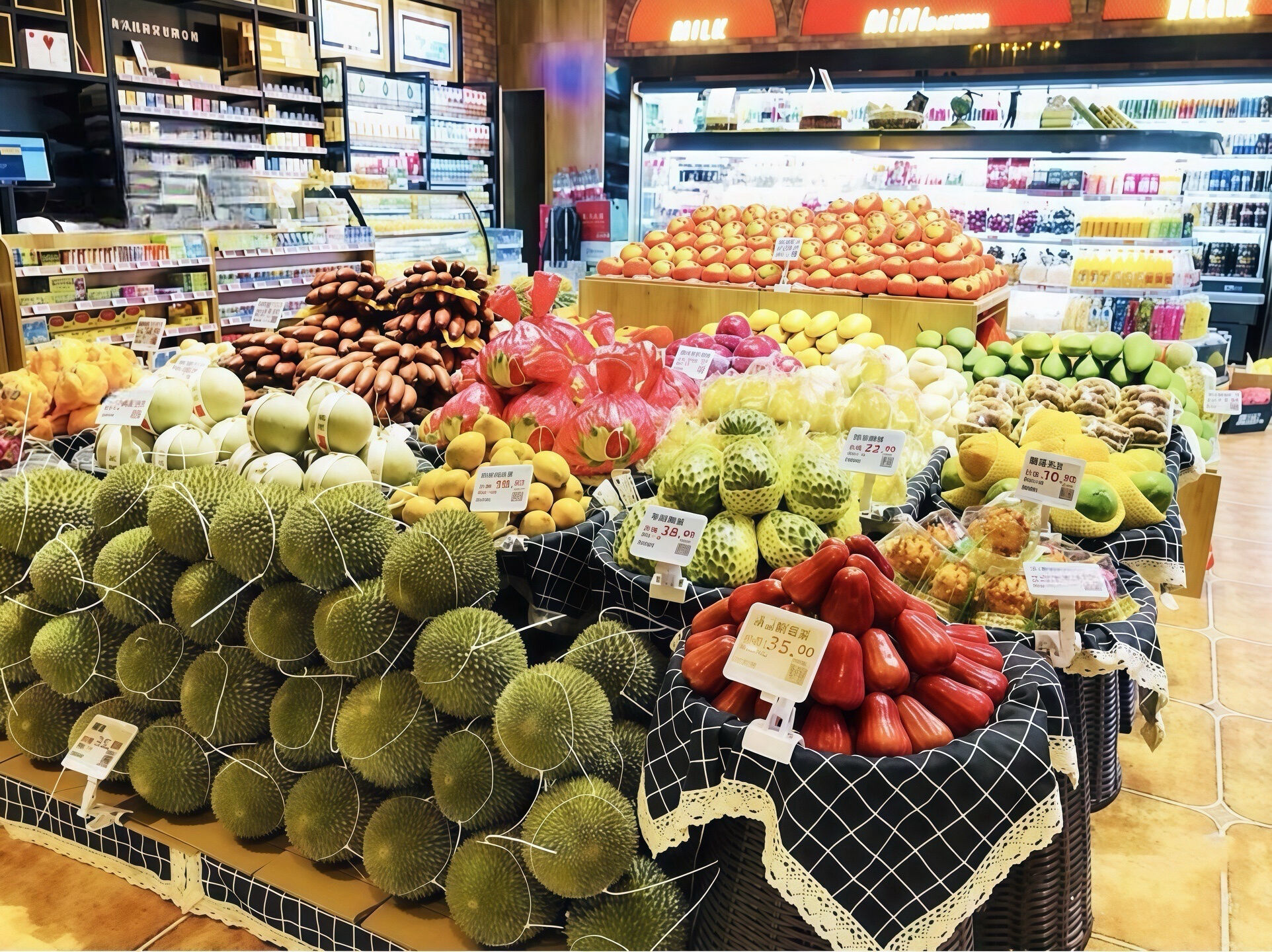
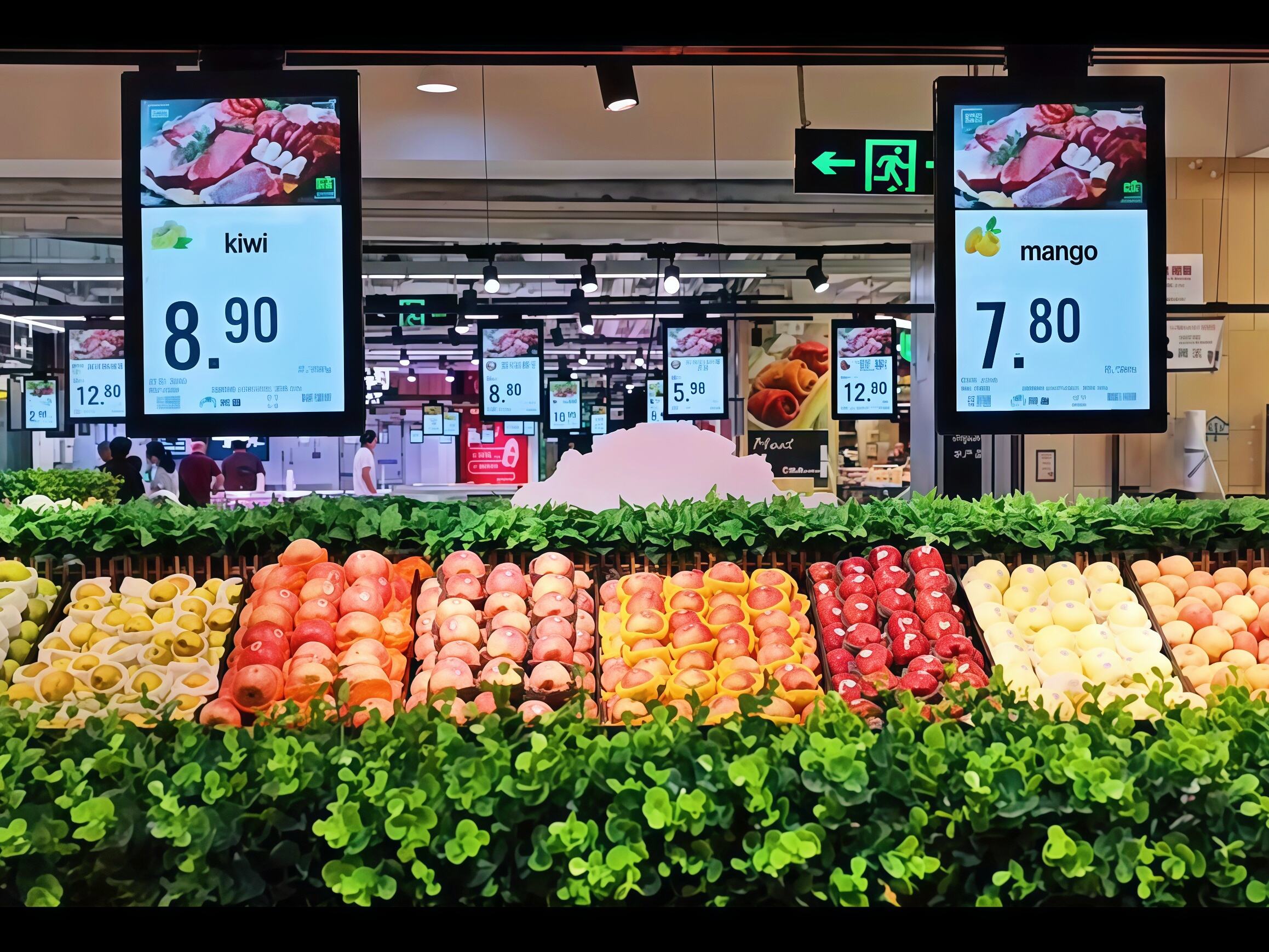
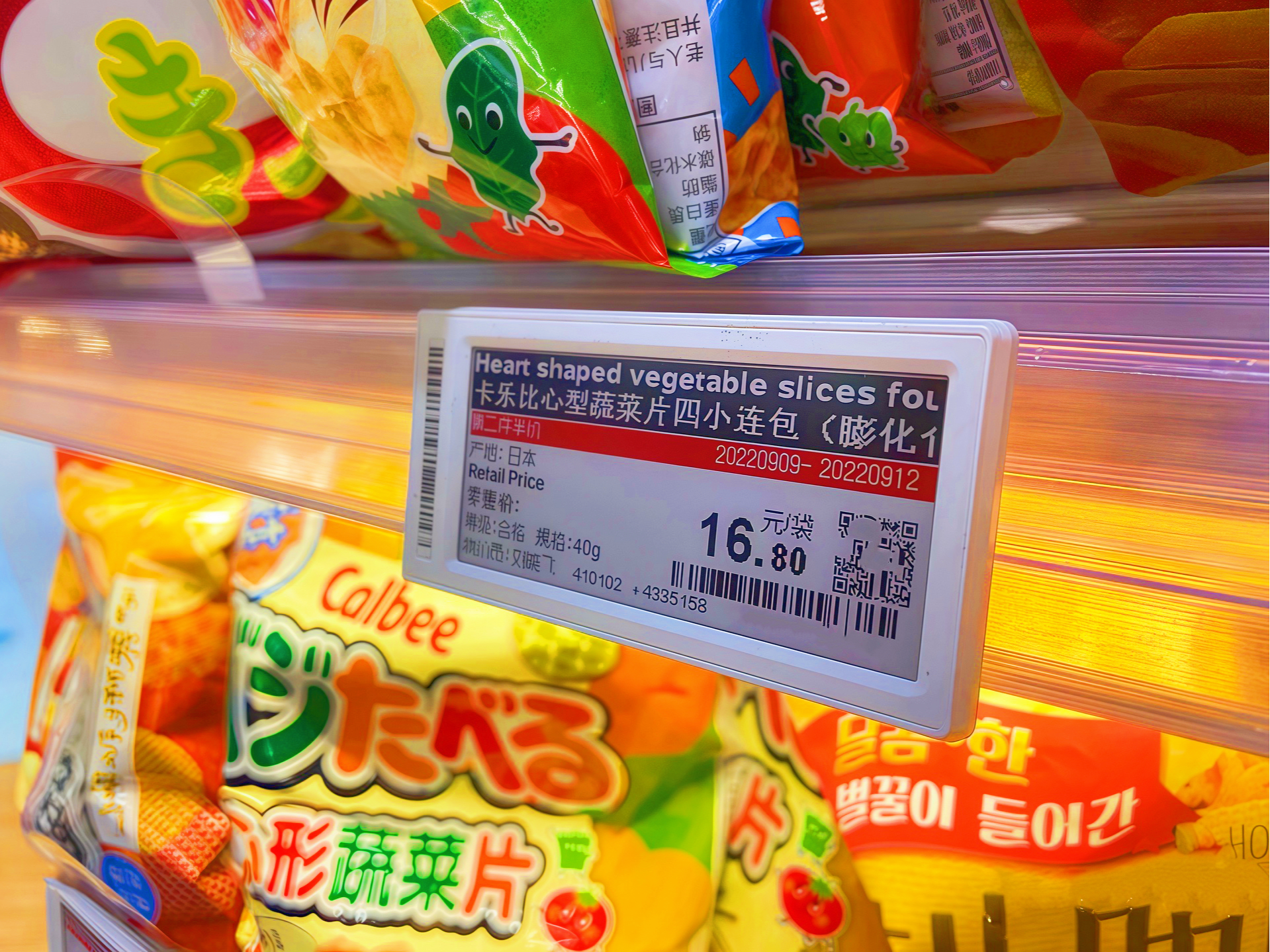
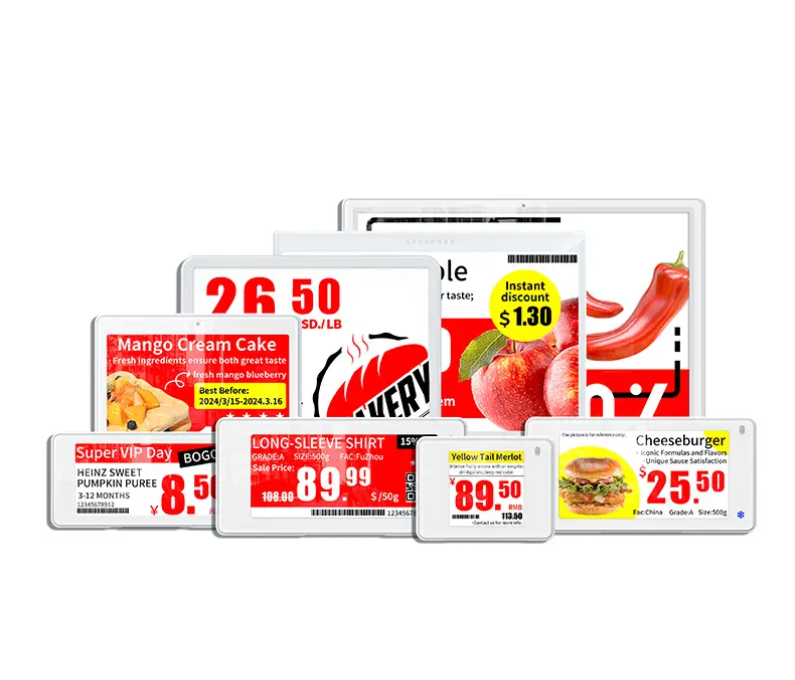
Electronic shelf labels these days aren't just fancy price tags anymore. They actually turn those old static prices into something that helps boost profits when they update in real time. Retailers hook these systems up to smart algorithms powered by artificial intelligence. These algorithms look at what customers want right now, check out what competitors are charging, and track how fast products are selling off shelves. The result? Prices change on the fly without anyone having to manually rewrite them. Some studies from last year showed that stores using this tech saw their profit margins jump anywhere between 15 to 25 percent. What makes this so valuable is that during busy shopping times, prices go up where demand is high, but then drop down automatically for items that nobody wants to buy. No amount of handwritten price changes could ever keep up with that kind of responsiveness.
One local grocery store cut down on food waste by nearly a third over just half a year thanks to those electronic shelf labels that adjust prices automatically. They started offering automatic discounts based on when items would expire - like giving shoppers 10% off if something was going bad in four hours, and bumping it up to 25% when there were only two hours left. This approach helped them save around quarter of a million dollars each year without hurting customer happiness ratings which stayed well above 4.8 out of 5. The technology worked so well because it stopped them from marking things down too much, and most importantly, got rid of 92% of their perishable goods either at regular price or better than expected profit levels.
ESL technology helps fix the problem of prices not matching between websites and stores when they sync with online shopping platforms within just 15 seconds or so. Stores that have implemented this system notice something interesting too many fewer complaints from shoppers who get confused about different prices. Some businesses even see their click and collect orders go up around 12 percent after implementation. When prices stay the same everywhere people look, it builds trust with customers. A recent survey found that about three quarters of shoppers actually pick stores based on whether prices match across all their shopping channels.
About two thirds of shoppers are okay with prices changing for things that go bad quickly or items everyone wants right now, but being open about it matters a lot. Good stores show both regular and changing prices next to each other on those electronic shelf tags, change non-perishable item prices no more than three times in one day max, and put little notes explaining why something costs less, like "Weekend Deal" or "Getting Rid Of These." The ones who follow this approach tend to keep customers coming back around 40 percent more often than places that just tweak prices without telling anyone why they did it.
Retailers can change prices throughout their whole network almost instantly thanks to electronic shelf labels. Instead of having employees constantly swapping out paper price tags, everything gets handled through centralized cloud systems now. According to a recent 2024 study on automation trends, stores implementing these digital solutions saw about an 85% drop in the time spent on manual price changes when compared to old school methods. The ability to adjust prices on the fly makes a big difference for supermarket chains dealing with fresh produce that needs daily updates, running limited time offers, and keeping online and in-store prices aligned across all platforms.
Retail stores used to spend around 15 to 20 hours every week just changing prices all over the place. But now with digital tools, they're getting so much more done without breaking a sweat. Take supermarkets for example those big ones with thousands of products on their shelves. When they automated their price updates, they actually saved about 180 hours each month. That's roughly what four and a half full time workers would normally clock in a year at each store location. What does this mean practically? Well, employees aren't stuck with boring price tags anymore. Instead, they can actually spend time helping customers find what they need or making sure shelves are stocked properly. The bottom line is better service for shoppers and lower labor costs for the business too.
Stores can cut down on those ongoing costs for label printers, special paper stock, and ink cartridges that typically run around $3,200 each year per location. Switching to digital screens cuts down on packaging trash too, slashing it by almost 90% when compared to those throwaway paper price tags. That helps stores meet their green targets while saving money at the same time. There's another bonus too: fewer mistakes with prices means customers aren't getting upset anymore. Industry data shows there's been about a three quarters reduction in complaints where what was on the shelf doesn't match what gets charged at checkout.
Electronic Shelf Labels help get rid of those pesky pricing mistakes because they work right alongside point-of-sale (POS) and enterprise resource planning (ERP) systems. Back when people had to update labels manually, about two thirds of all labeling errors happened simply because someone missed something or got bogged down in complicated procedures. With automatic syncing happening behind the scenes, what we see on store shelves actually matches what's going on with inventory levels and current promotions. Stores that have implemented these connected systems report seeing around 92% fewer cases where items are priced incorrectly. A recent look at how POS systems operate shows that companies making use of this kind of integration typically free up about 15 hours every week that would otherwise be spent checking and double checking prices.
Mispricing costs retailers an average of $7,900 monthly per store in profit leakage and customer disputes. ESL systems automate audit trails for all pricing changes, slashing reconciliation time by 80% and cutting financial losses from errors by 34%.
While automated systems minimize errors, brief mismatches can occur during sync delays between ESL, ERP, and POS platforms. Retailers mitigate these risks through version control protocols that track update timestamps, bi-hourly system health checks, and fallback alerts for staff during synchronization issues.
| Error Source | Manual Labels (Per 1,000 Updates) | ESL System (Per 1,000 Updates) |
|---|---|---|
| Mispricing incidents | 12 | 0.8 |
| Reconciliation time (hrs) | 9.2 | 1.5 |
| Customer disputes | 23% | 4% |
Proactive monitoring ensures 99.6% price accuracy across channels, even during high-frequency updates like flash sales or clearance events.
Electronic shelf labels let stores send information back and forth between their cash registers and warehouse systems, so inventory numbers get updated every time something sells or gets restocked. Stores that have implemented this kind of system typically see around an 80% drop in having to manually check stock levels, all while keeping inventory records accurate about 98% of the time. The ability to track what's selling when gives retailers much better insight into what customers want, which helps them avoid buying too much stuff they won't sell. Logistics experts estimate this can save businesses as much as 22% on unnecessary inventory costs over time.
When inventory drops below preset thresholds, ESL systems trigger instant alerts to warehouse teams and suppliers. A 2023 grocery chain case study showed a 40% reduction in out-of-stock incidents through automated replenishment workflows. Geofencing capabilities further enhance efficiency by notifying staff when specific shelf sections require restocking during shifts.
The use of electronic shelf labels really boosts omnichannel operations when paired with pick-to-light systems. Warehouse staff working with LED indicators based on ESL information see their error rates drop dramatically—around two thirds less mistakes in picking items off shelves. Retail locations that have turned their shelf label displays into mini fulfillment hubs are experiencing some impressive results too. One chain reported cutting curbside pickup times down by almost a third compared to traditional methods. For businesses implementing this kind of mixed approach to fulfilling orders, the numbers speak for themselves. Most retailers hit about 92 percent success rate for same day deliveries while still keeping their physical stores well stocked with products customers want to see on display.
Dynamic pricing involves adjusting prices in real-time based on demand, competition, and inventory levels. It benefits retailers by optimizing profit margins, maximizing sales opportunities, and reducing waste, particularly for perishable goods.
ESLs integrate with POS and ERP systems to automatically update prices, reducing manual errors and ensuring price consistency across channels and locations.
Yes, ESLs help reduce labor, material, and operational costs by automating price updates, reducing manual labor, and minimizing the use of printing materials.
ESLs provide real-time updates on stock levels and can trigger automated replenishment alerts, improving inventory accuracy and preventing out-of-stock situations.
Challenges include sync delays between ESL, ERP, and POS platforms, which can result in temporary price discrepancies. Implementing version control protocols and health checks can mitigate these risks.
 Hot News
2024-09-14
2024-11-18
2023-11-14
2023-04-12
2019-07-11
We specialize in advanced electronic retail solutions to streamline operations and smarten up the shopping experience.