EN
EN

Retailers today can get close to 99% visibility on their stock when they link those electronic shelf labels (ESLs) with central inventory systems. What happens then is pretty straightforward actually the system automatically updates itself whenever there's a sale at the register or changes happen in the warehouse, so nobody has to do all that tedious counting and matching anymore. Take a look at what happened in 2023 according to Inventory Planner's research. Stores that implemented this kind of syncing saw something amazing their data delay between shelves and warehouses dropped dramatically from around 12 hours down to just about 20 minutes flat.
A European grocery leader deployed electronic shelf labels across 800 stores to address perishable goods mismanagement. ESL sensors triggered automated restocking alerts when specific items dipped below preset thresholds. Over 18 months, the chain reduced stockouts by 30% while cutting food waste by €1.2 million annually, according to RFgen’s 2024 retail automation report.
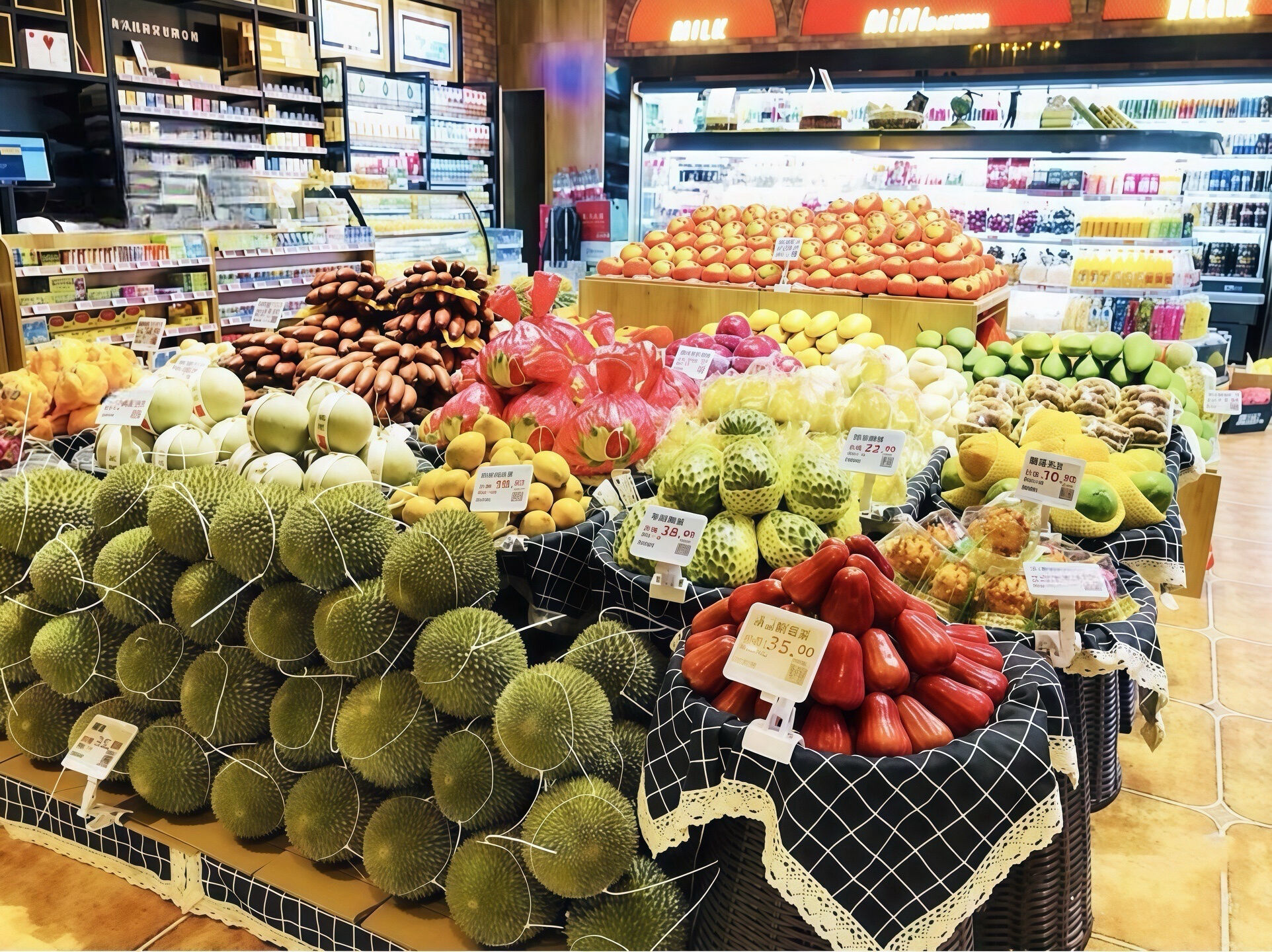
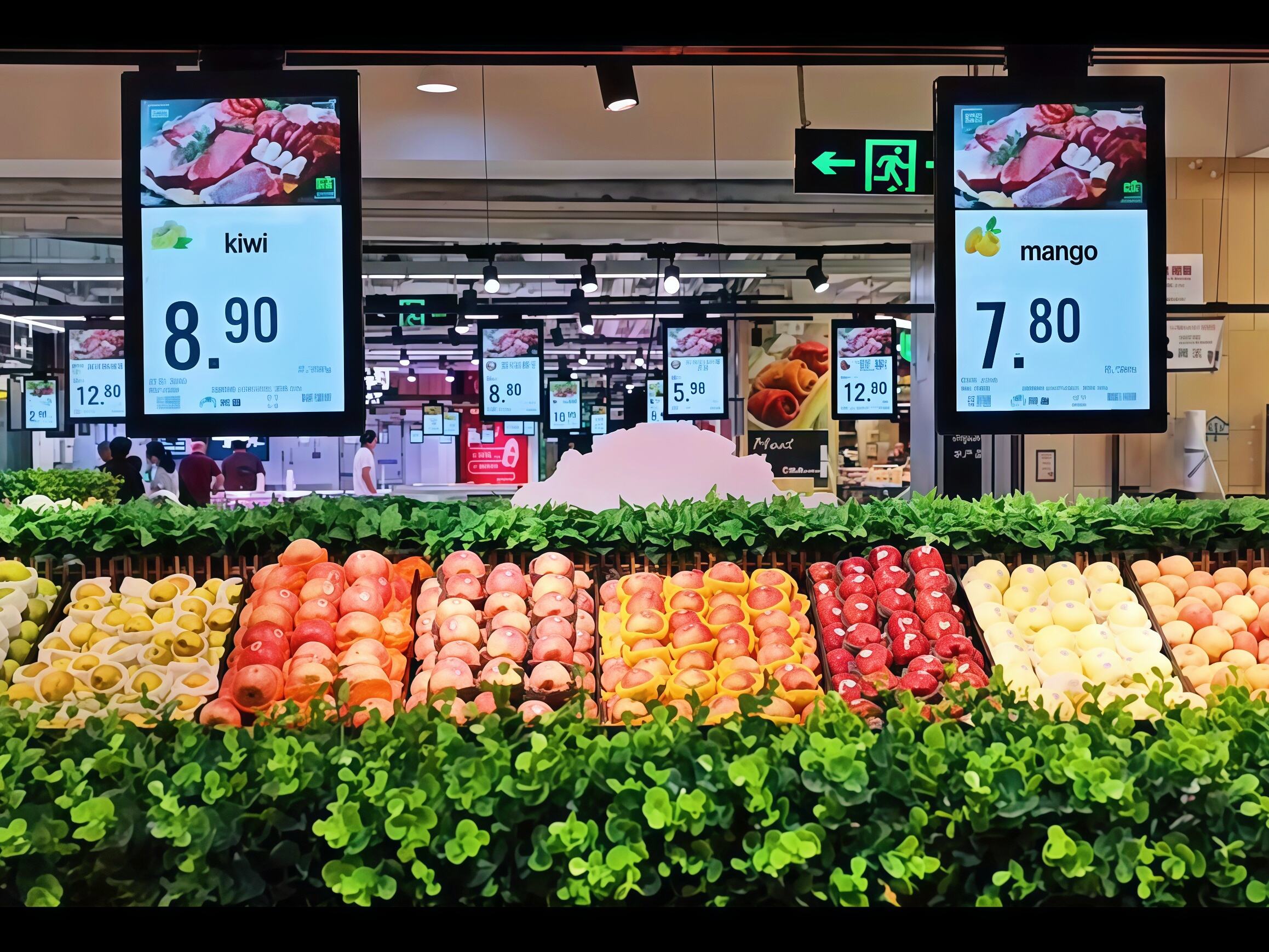
ESL systems change prices on display in real time depending on what's left in stock and when items are set to expire. This feature is really important for things that go on sale or have short shelf lives. According to a recent study by PwC from their 2023 Retail Outlook report, stores using these systems see about 44 percent fewer mistakes in pricing than those still relying on old fashioned price tags. When prices match across shelves and computer systems at checkout, shoppers don't run into those frustrating situations where what they saw isn't what gets charged. This helps keep stores compliant with regulations while making customers feel better about their shopping experience overall.
Electronic shelf labels or ESLs basically serve as the link connecting physical stores with larger business systems. When these digital price tags get hooked up to ERP and point of sale systems, stores can keep prices, special offers, and what's actually on the shelves consistent everywhere they operate. According to research from SAP looking at retail tech trends through 2025, this kind of connection gets rid of those annoying separate data pockets where information doesn't match up. The result? What customers see on store shelves matches exactly what's recorded in warehouses right now. That makes a big difference when trying to fulfill orders across multiple sales channels like online and in person at the same time.
Retailers can now set automatic limits for when inventory gets too low thanks to centralized cloud systems. When electronic shelf label data shows products are running short, these systems send out immediate restock warnings. No more mistakes from people manually checking stock counts all day long. Plus, regional store managers get to keep an eye on several different locations at once using those handy dashboard views. And let's not forget about the cloud side of things either. These same cloud setups make it possible to push software updates directly to ESL devices without anyone needing to touch them physically. That means stores stay compliant with ever changing price rules and regulations without extra work from staff members.
Today's retail businesses are increasingly using API systems to connect their ESL networks with various supply chain analysis tools. This creates two-way communication channels that let stores track what's happening on shelves while also pulling in past sales information. According to the latest documentation from Kvy Technology, standardizing these APIs has become essential for modern retail technology setups. Retail chains can now integrate AI based demand prediction software into their existing systems without messing up how their electronic shelf labels work. Some big name retailers have already seen improvements in stock management after making this kind of upgrade.
Electronic shelf labels take care of those tedious jobs that used to eat up so much time in stores - things like changing prices by hand or swapping out old tags. When stores automate this stuff, they cut down on pricing mistakes made by people who might miss something. According to Retail Tech Journal from last year, around 92% fewer errors happen when ESLs are in place. These electronic systems connect right to main databases, so when there's a sale or inventory drops at one store, every location gets updated at once. No more waiting for someone to walk around updating signs manually. The result? Prices stay accurate throughout the chain while employees get to spend their time interacting with customers instead of chasing after misplaced price tags.
ESL systems definitely need some upfront money, usually around $18k per location, but businesses typically see about 23% less in labor costs each year because staff doesn't have to do those tedious manual inventory checks anymore. Most big retail chains get their money back within just over a year thanks to fewer overtime paychecks and less lost product from theft or errors. Some companies find that rolling out the technology gradually makes all the difference for their bottom line. Take that grocery store chain in the Midwest for instance - when they implemented ESLs one store at a time rather than going full blast across all locations simultaneously, they managed to slash their total setup costs by nearly half.
Leading retailers deploy ESLs in stages, starting with high-turnover departments like electronics or seasonal goods. This approach lets teams refine integration with existing inventory management systems before full-scale rollout. A 3-phase implementation typically reduces technical issues by 67% compared to all-at-once deployments, ensuring smoother staff training and system validation.
ESL technology lets stores keep track of their inventory much better than before because these digital price tags send live updates straight to the warehouse management software. No more guessing games with paper tags or counting items manually, which is why so many stores are seeing fewer mistakes in their stock records. A recent report from last year showed that around 22 percent of all lost inventory comes down to simple counting errors. The real magic happens when these smart labels notice something's running low on the shelf. They automatically send warnings to the back office, kicking off restocking procedures so products don't disappear just when customers need them most during busy shopping times.
When retailers combine ESL data with predictive analytics tools, they gain the ability to tweak prices on the fly based on real time conditions. For instance, when inventory piles up beyond what's considered normal stock levels, automated systems kick in to slash prices or send those extra goods to stores where customers are actually buying them. The numbers back this up too. According to a recent report by Vusion on retail inventory management, businesses that implemented demand based pricing saw their overstock problems drop by almost 20% within just half a year. Makes sense really – getting rid of excess stock faster means better cash flow and happier shoppers who find what they want without waiting.
A national pharmacy network implemented ESLs to monitor expiry dates and regional demand patterns for medications. By syncing shelf-edge data with warehouse management systems, the chain eliminated $3.2M in expired inventory annually while maintaining 99.2% product availability across 1,400 stores.
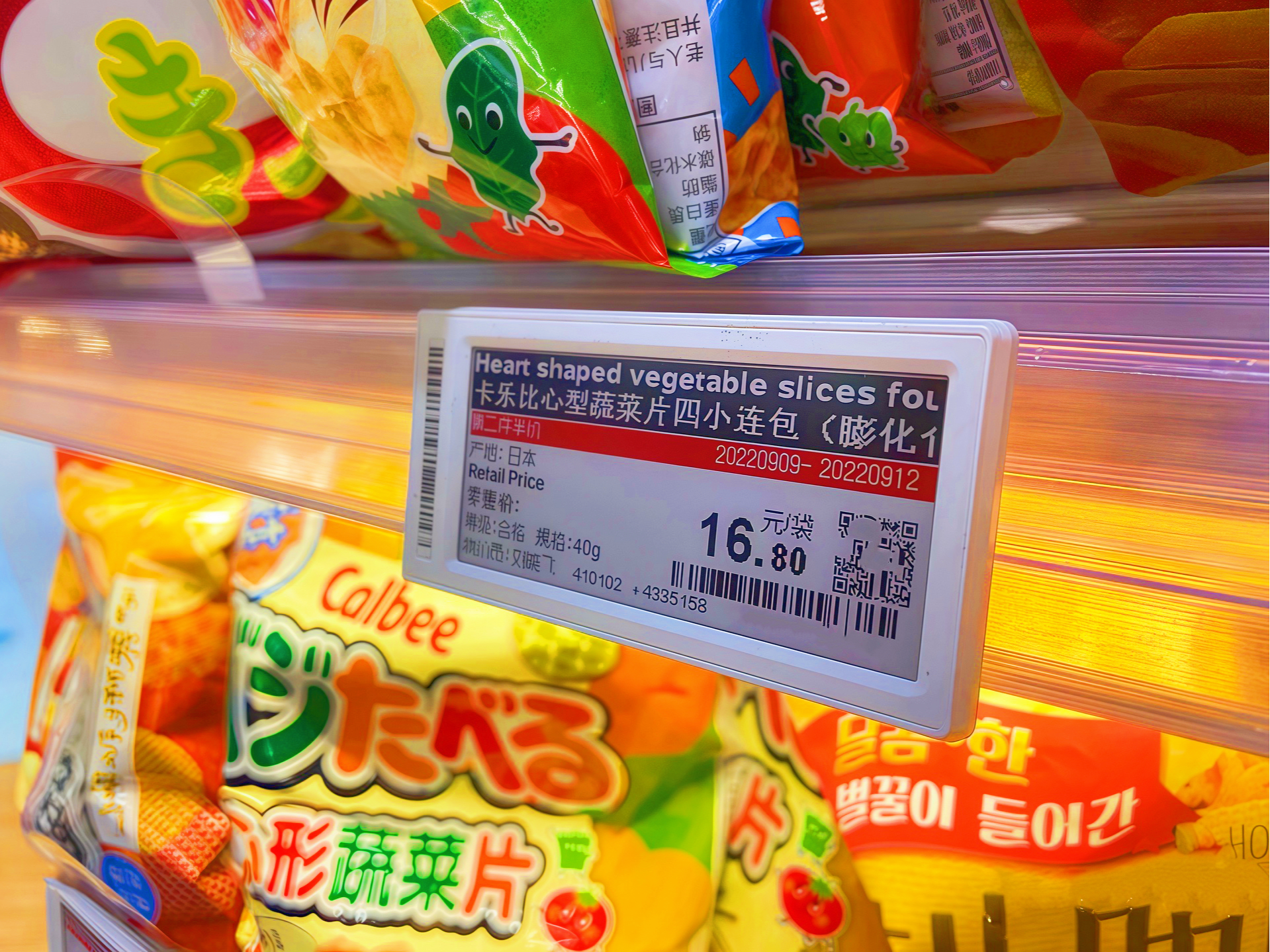
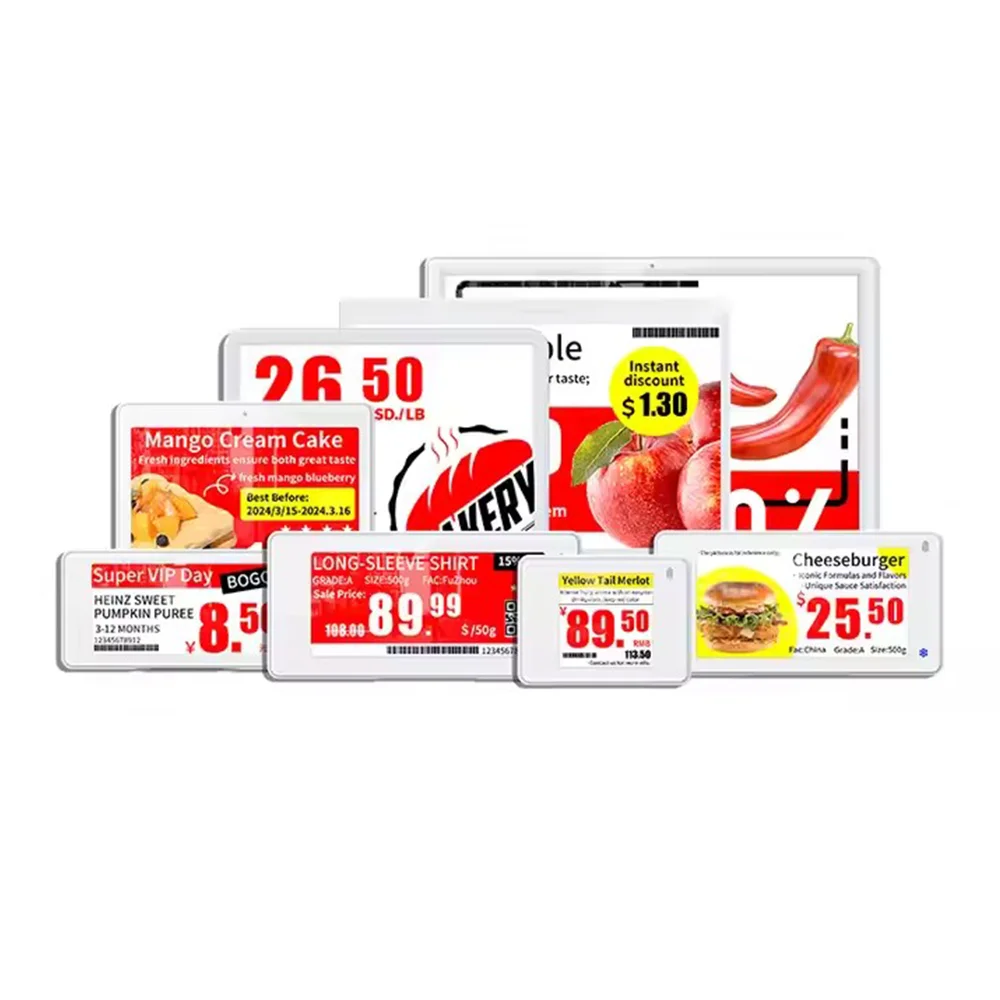
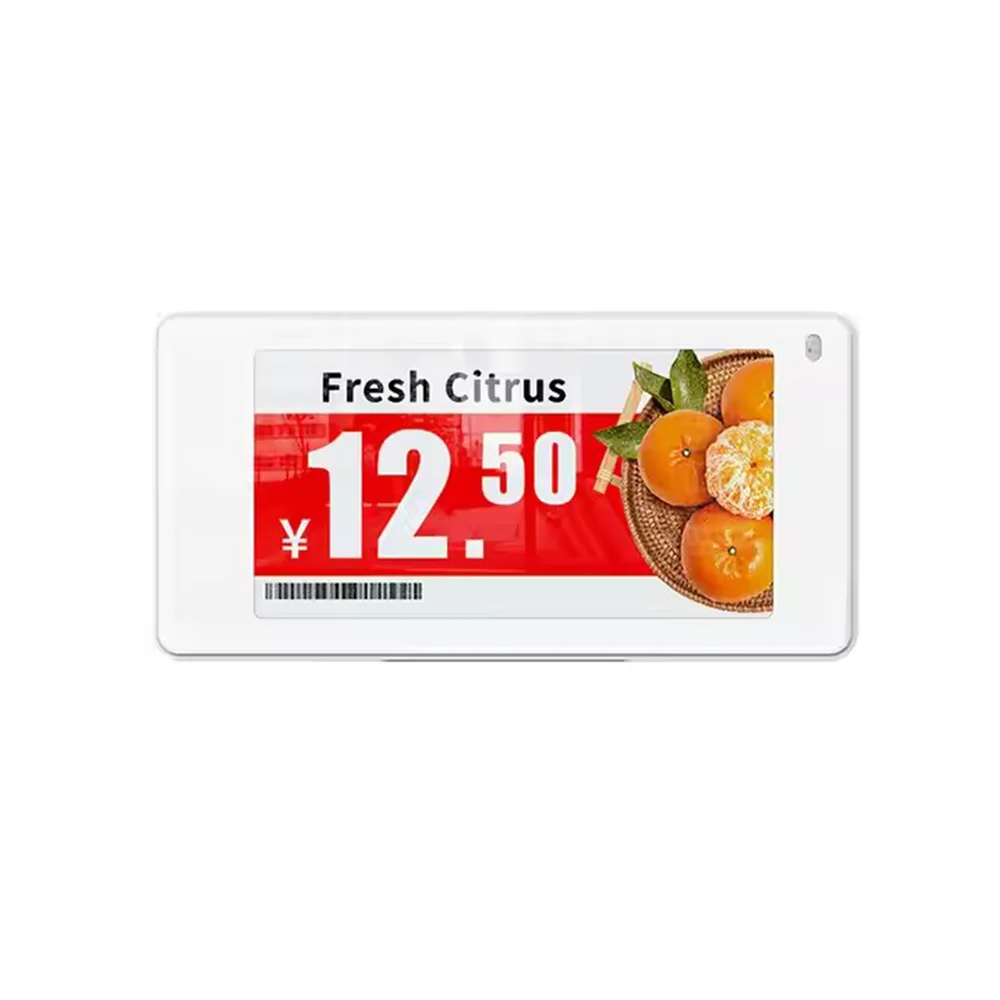
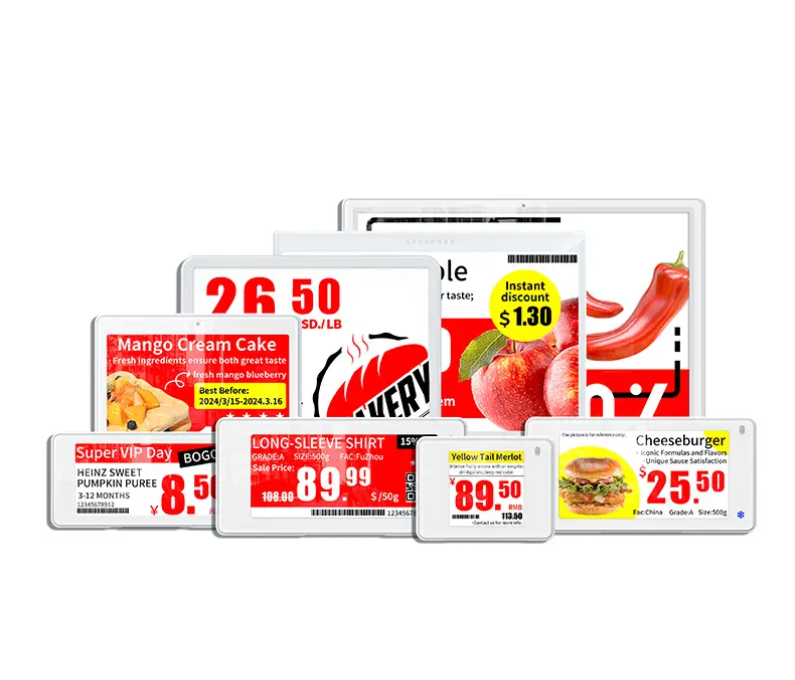
Electronic shelf labels (ESLs) are digital price tags used by retailers to display product pricing and information in real-time. They can be integrated with central inventory systems to automatically update pricing and stock information.
ESLs are linked with central inventory systems, allowing automatic updates whenever sales are made or stock changes occur. This eliminates the need for manual counting and reduces data delays between shelves and warehouses.
Integrating ESLs with ERP and point of sale systems ensures consistent pricing and offers across all sales channels. This connectivity helps eliminate data mismatches, improves inventory management, and enhances the overall shopping experience.
Yes, ESLs automate tasks such as price changes and inventory tagging, reducing manual labor and the associated errors. This can lead to significant labor cost savings for retailers.
While there is an initial investment required for ESL systems, retailers typically see a reduction in labor costs and improved stock management, leading to a return on investment within a relatively short period.
 Hot News
2024-09-14
2024-11-18
2023-11-14
2023-04-12
2019-07-11
We specialize in advanced electronic retail solutions to streamline operations and smarten up the shopping experience.