EN
EN

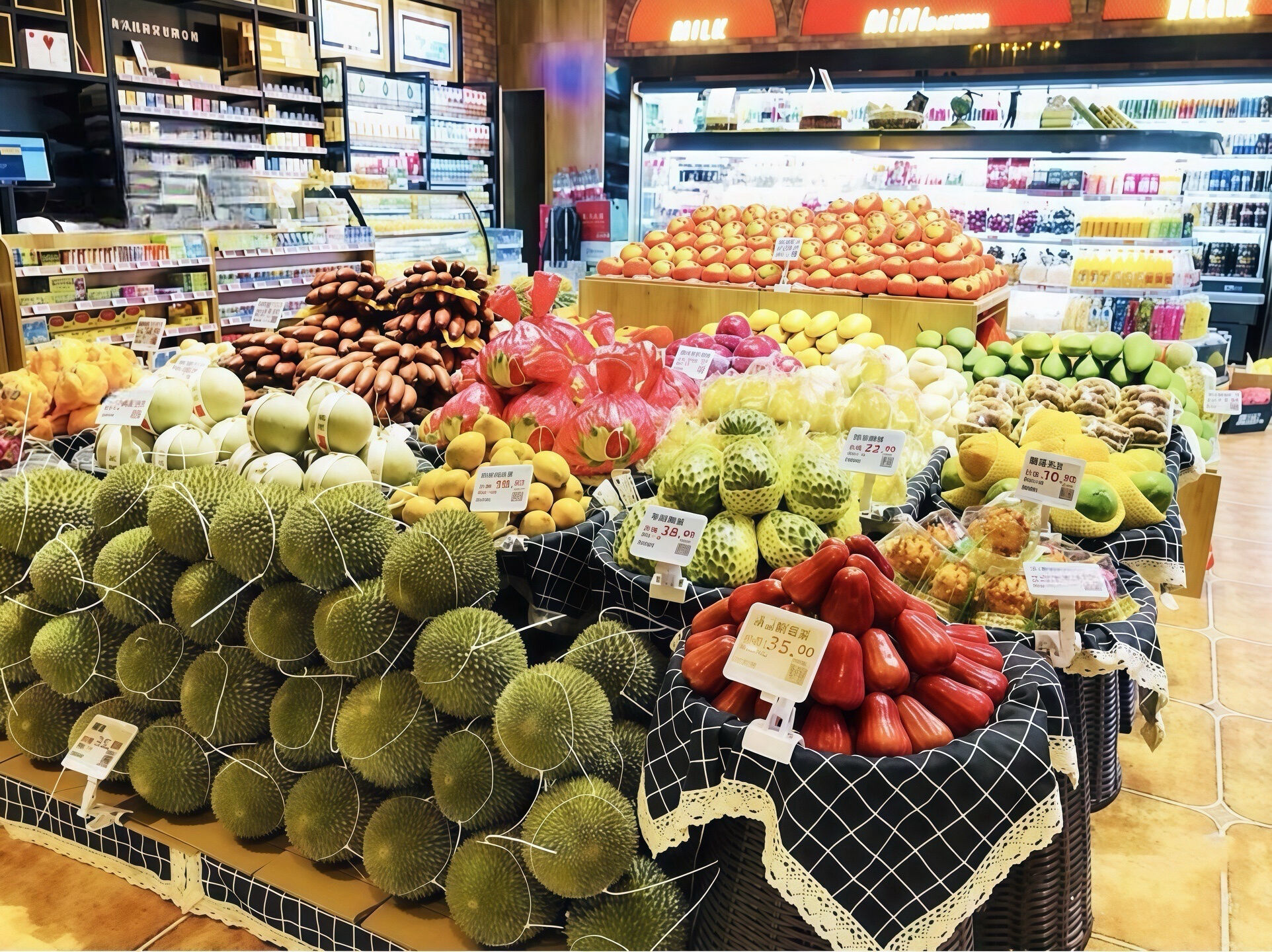
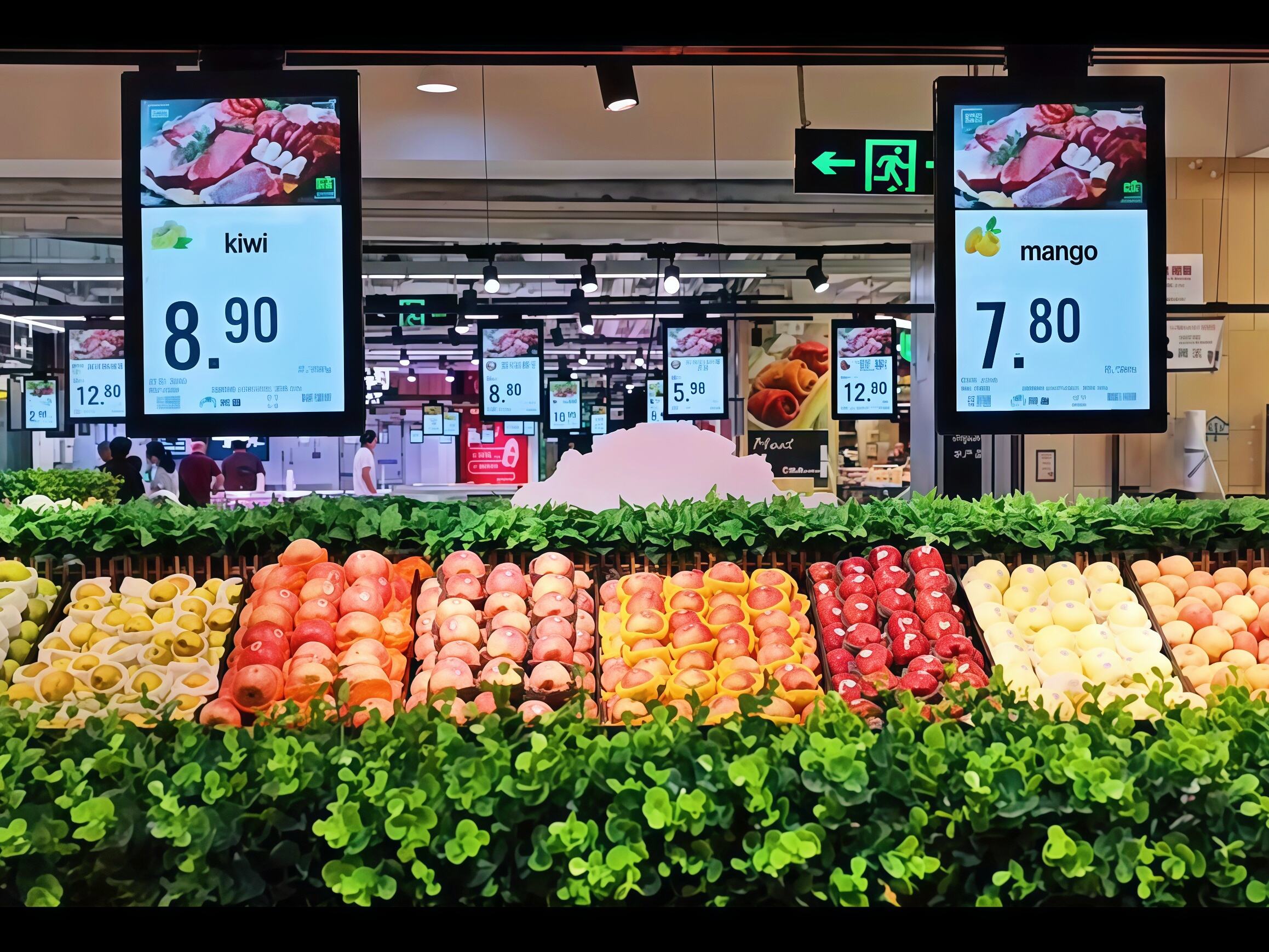
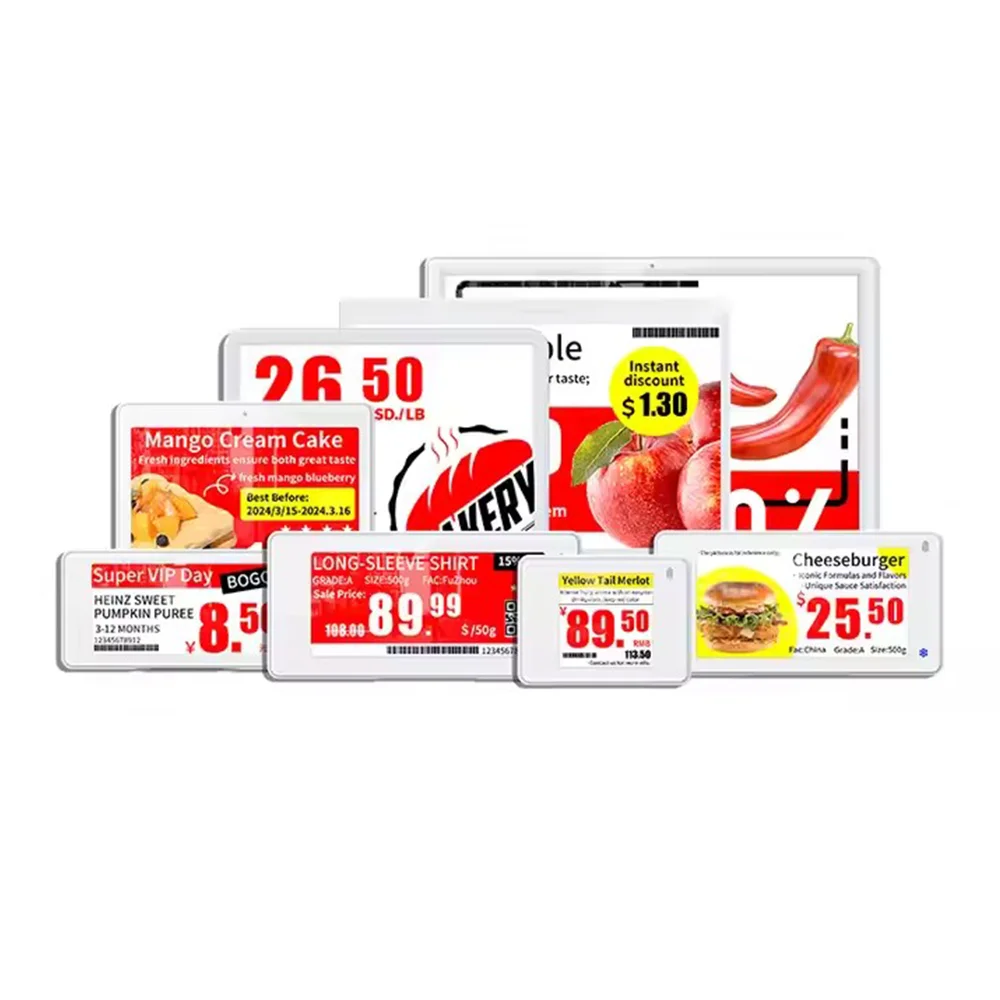
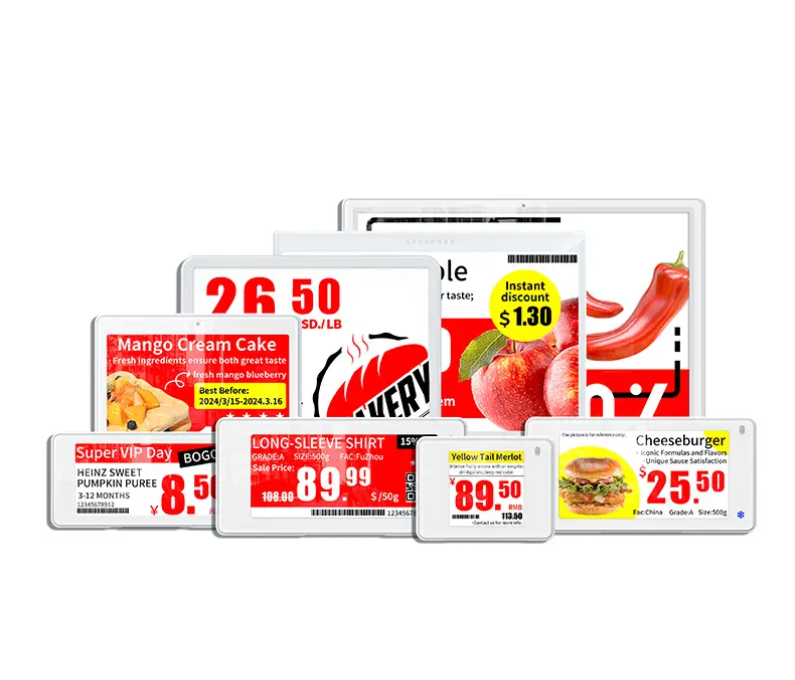
When stores update prices manually, they run into all sorts of problems. We're talking about things like decimal points going in the wrong place, old sales still showing up when they should be gone, and products being linked to the wrong prices altogether. These kinds of mistakes make up nearly 4 out of every 10 pricing errors in retail. That's where electronic shelf tags come in handy. These little digital displays connect directly to the main computer system so prices get updated across the store automatically. A recent look at retail tech from 2023 showed something pretty impressive too. Stores that switched to automatic pricing saw their mistake rate drop by almost two thirds just six months after installing the new system. Makes sense really - why trust humans when machines can do it better and faster?
Retailers using electronic shelf labels report a 76% reduction in pricing discrepancies compared to paper-based systems. This improvement is driven by real-time data integration, which removes the risk of human misinterpretation during manual updates and ensures consistent pricing across all touchpoints.
A lot of retail managers still push back against ESL implementation even though there are obvious advantages. About 42% worry their daily routines will get messed up when these systems come in. But look at what happens after stores actually install them: around 89% end up hitting above 95% price accuracy within just one year something impossible to reach with old fashioned manual methods. Getting this right takes time though. Stores that take it slow with rollout phases and really invest in proper training for everyone involved tend to adapt much quicker. Retailers who make sure their teams understand not just how the system works but also why errors drop so dramatically usually see adoption speeds triple compared to those rushing through without proper education.
While electronic shelf tags require an upfront investment of $18–$35 per unit, they prevent substantial financial losses. For a typical 100-store chain, ESLs can save $740,000 annually by avoiding compliance fines and mitigating customer trust erosion. Early adopters typically recoup costs within 18 months through labor savings and improved operational precision.
Stores that switch from paper price tags to those fancy electronic displays save a ton of time on updating prices. Industry research suggests this change can cut down manual work by somewhere between 80% and almost all of it. What does that mean for retail operations? Well, stores used to spend well over 50 hours every week just changing prices around. Now they can send those employees to actually interact with customers instead of hiding behind inventory counters. And there's money saved too. Think about all those paper tags, printer ink running out constantly, and fixing mistakes when prices get mixed up. Stores typically save around twelve grand each year just from cutting those costs alone.
One regional grocery store cut down their weekly price updates dramatically when they started using electronic shelf labels (ESLs). What used to take eight whole hours is now done in around fifteen minutes flat. Staff members no longer need to walk nearly two and a half miles during each shift replacing those old paper price tags. Instead, they handle all updates from a central location these days. The time savings really added up too something like 120 extra labor hours every month. Management put those saved hours back into keeping shelves stocked properly and spending more time interacting with customers. As a result, products actually stayed on display much better, with an impressive 18 percent improvement in availability across the stores.
Electronic Shelf Labels work really well with inventory systems these days, letting managers tweak prices and track stock as things happen. When something gets low or there's a price error somewhere, the system sends out warnings so employees know exactly where to look. No more spending hours going through shelves just to find one item off track. According to a recent study by PwC from 2024, retailers who switched to ESL technology fixed their inventory problems almost two thirds quicker compared to old fashioned paper tags and spreadsheets. Makes sense really - nobody wants to waste time hunting down mistakes when business is busy.
Centralized ESL systems allow retailers to deploy chain-wide pricing changes instantly—critical for flash promotions or regulatory updates. One Midwest retailer reported a 41% drop in pricing-related customer disputes after implementation, as shelf prices consistently matched point-of-sale data. This accuracy strengthens brand credibility and minimizes revenue leakage from tagging errors.
Electronic shelf tags deliver measurable financial returns by automating pricing workflows and reducing operational waste. Most retailers achieve full return on investment within 18–24 months, with mid-sized stores realizing 54% annual savings on labor and error-related expenses post-implementation.
EST systems eliminate manual labeling, which consumes 60–80% of pricing-related labor hours. A typical retailer with 10,000 SKUs saves $39,000 annually by switching to automation, based on ComQi’s 2023 cost analysis. These savings break down into:
Pricing inaccuracies cost retailers an average of $740,000 annually in disputes and penalties (Ponemon Institute, 2023). ESTs mitigate this risk via real-time synchronization, ensuring 99.9% price consistency across shelves and POS systems. Stores using ESTs experience:
A $100,000 EST rollout for a 15-store grocery chain reaches breakeven in 1.85 years. Key phases include:
By year three, each mid-sized store can redirect $162,000 toward growth initiatives such as personalized marketing or optimized space planning.
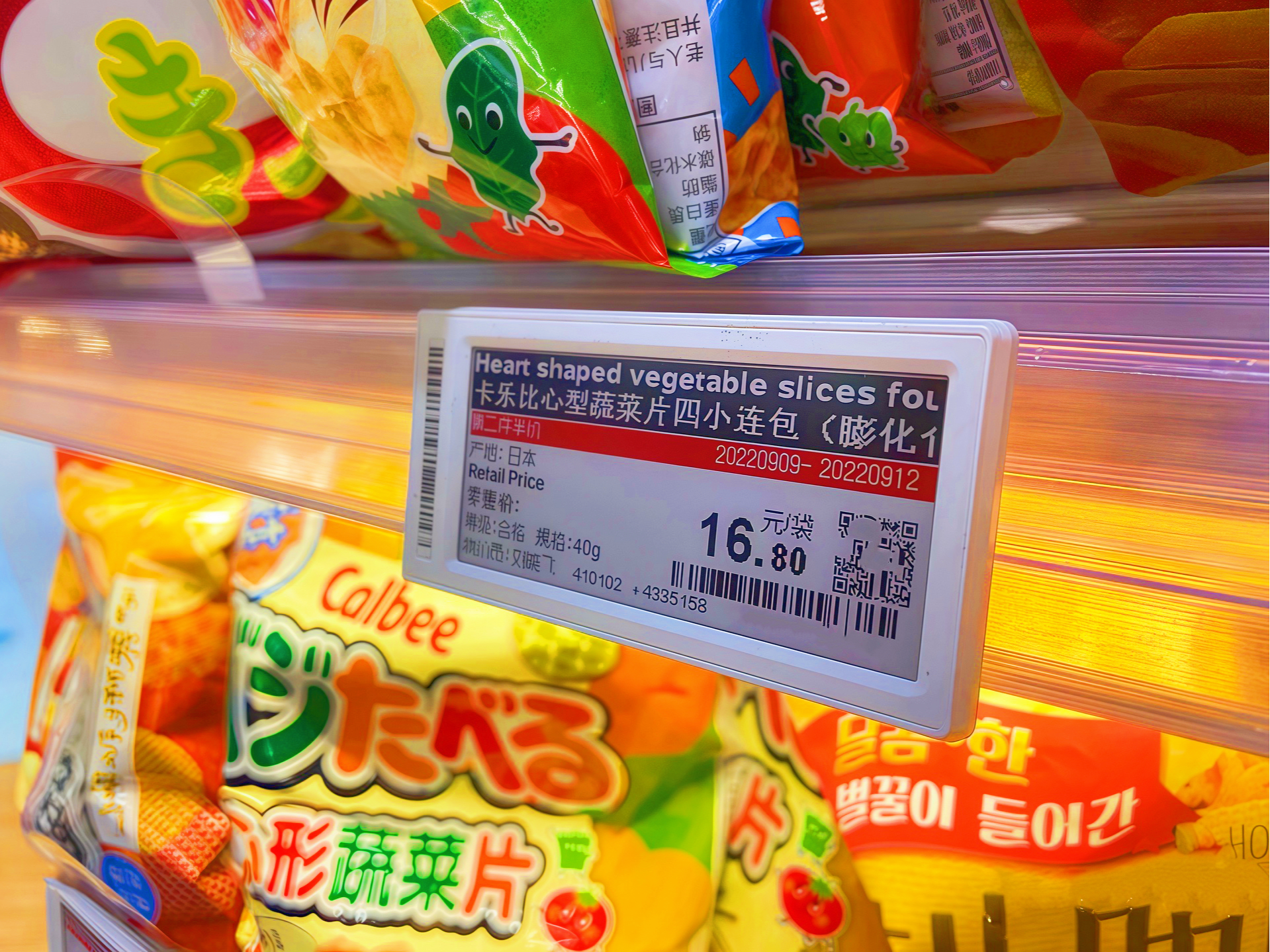
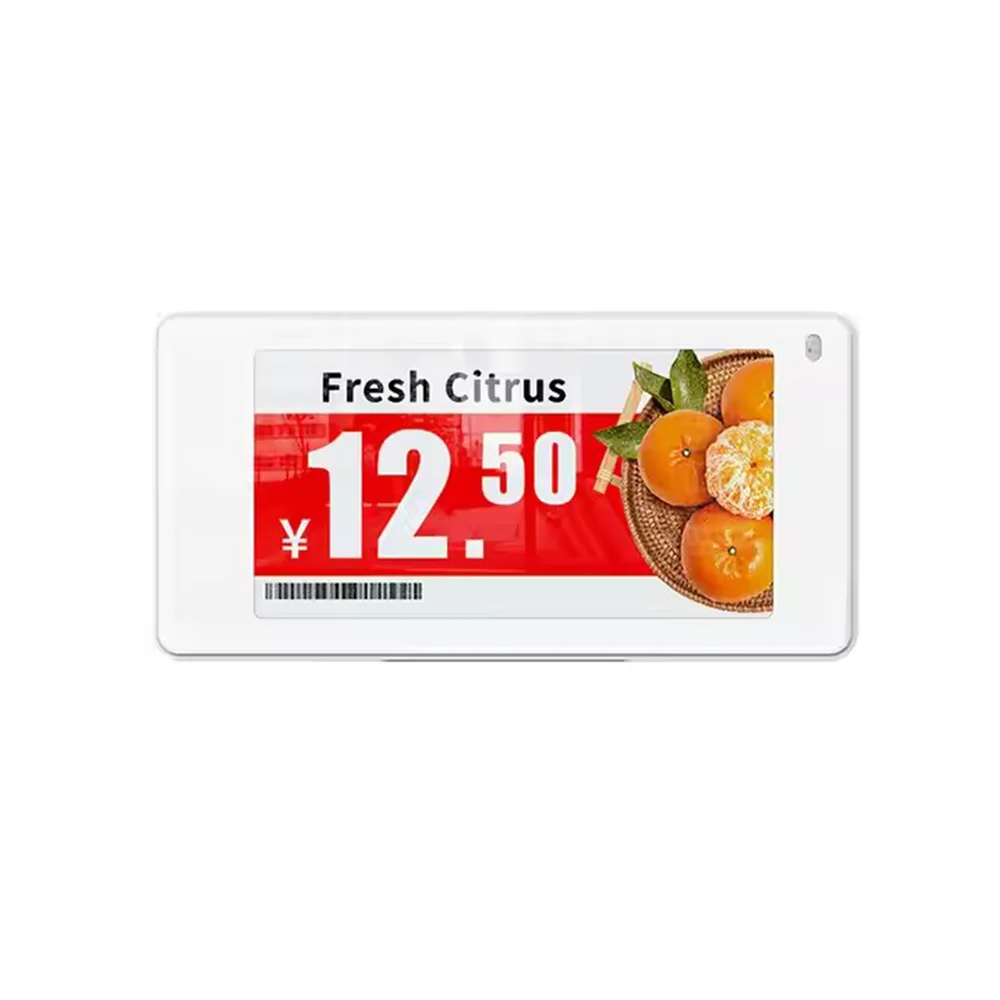
What are electronic shelf tags? Electronic shelf tags are digital displays that can automatically update prices by connecting to a store's central computer system, reducing pricing errors and manual labor.
How much can retailers save by using electronic shelf tags? Retailers can save substantial amounts, including $740,000 annually for a 100-store chain, through reduced compliance fines and customer trust erosion, reaping full ROI within 18 to 24 months.
How do electronic shelf tags reduce labor? These systems reduce labor by automating price updates, freeing employees to engage in customer interaction and operational tasks instead of managing physical price tags.
Do electronic shelf tags help with price accuracy? Yes, they improve accuracy by eliminating human error associated with manual updates, ensuring consistency in pricing across all touchpoints.
What are the initial costs of implementing electronic shelf tags? The upfront investment ranges from $18 to $35 per unit, but long-term savings on labor and error correction offset these costs.
 Hot News
2024-09-14
2024-11-18
2023-11-14
2023-04-12
2019-07-11
We specialize in advanced electronic retail solutions to streamline operations and smarten up the shopping experience.