EN
EN

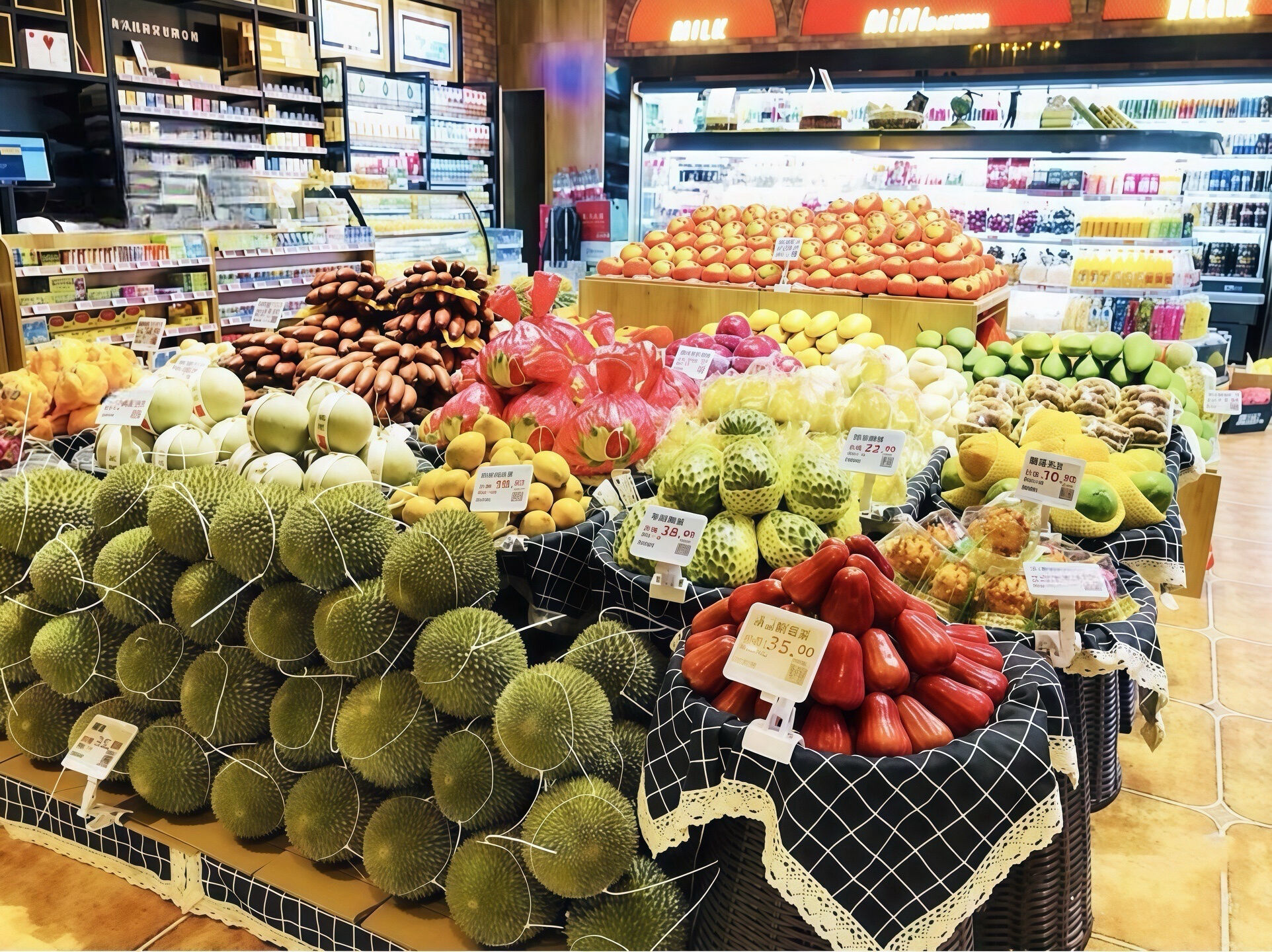
Manual price updates with paper tags cost retailers up to 100 labor hours monthly per store (Boscan 2023). Paper-based systems are prone to frequent pricing errors from human data entry, delayed discount implementations for perishables, and mismatches between POS and shelf prices—creating compliance risks and customer dissatisfaction.
A Walmart trial found staff spent 73% less time on price changes after adopting digital solutions, highlighting the inefficiency of manual processes.
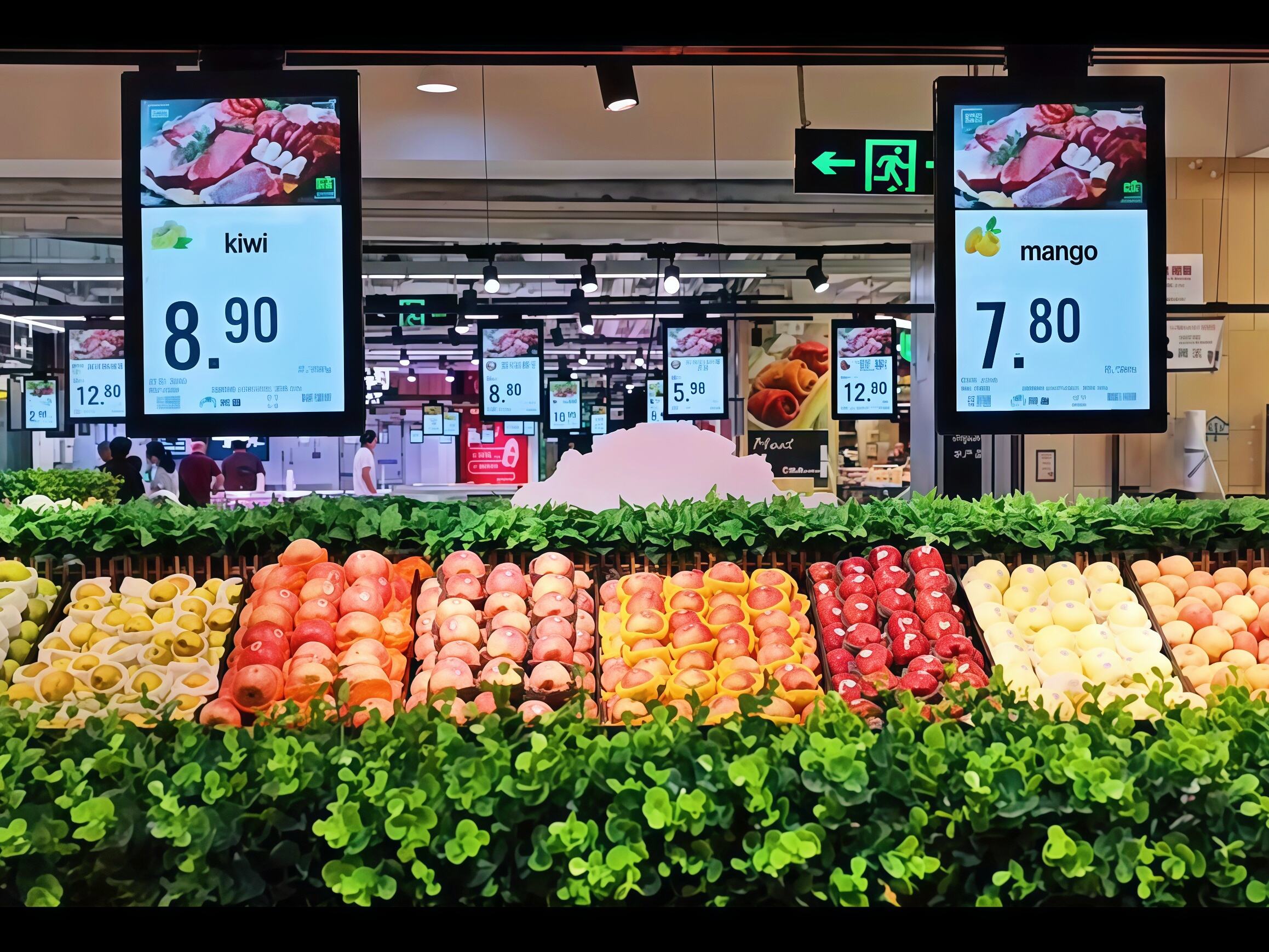
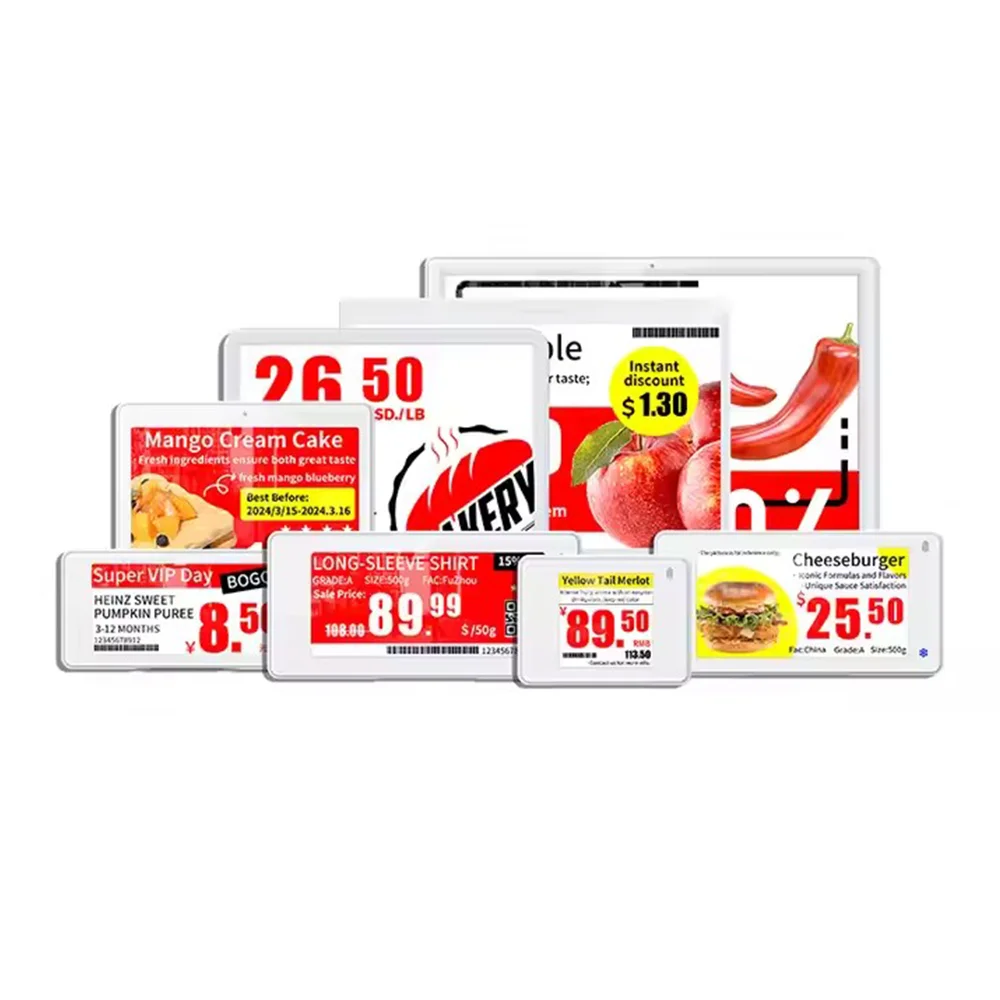
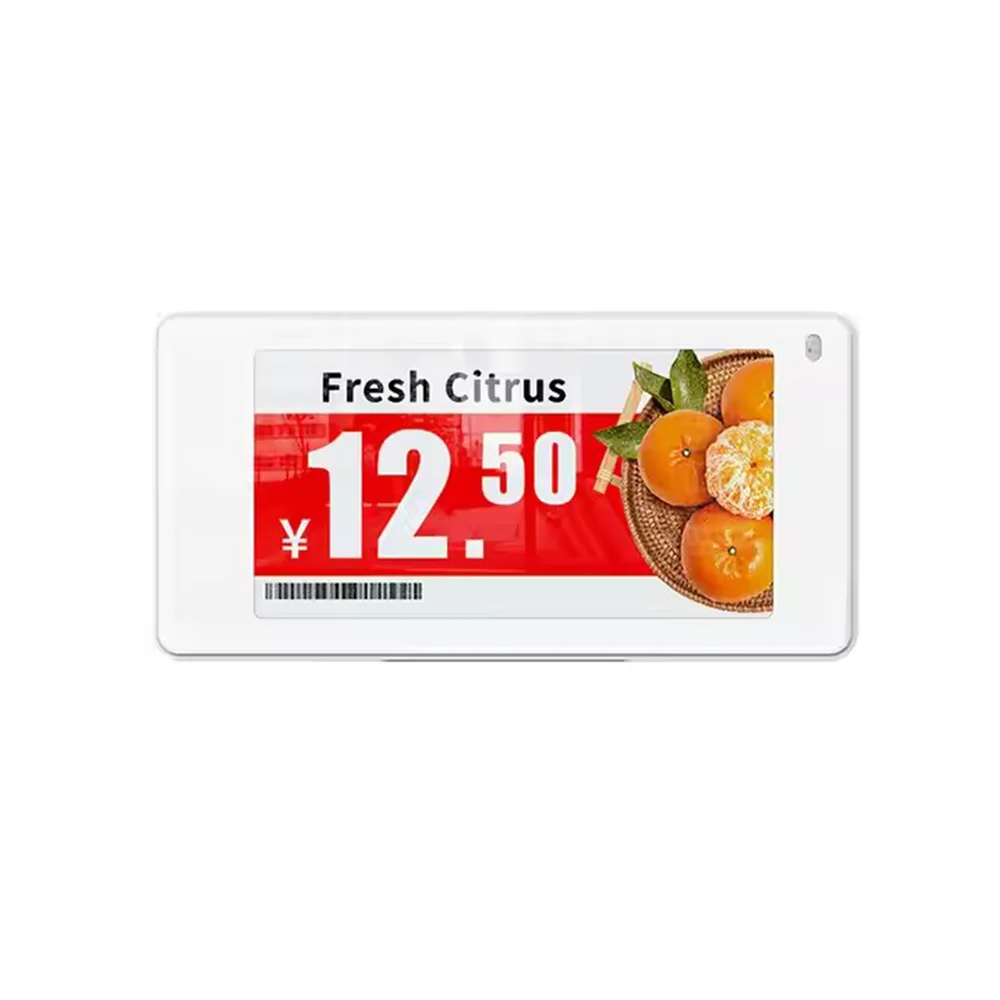
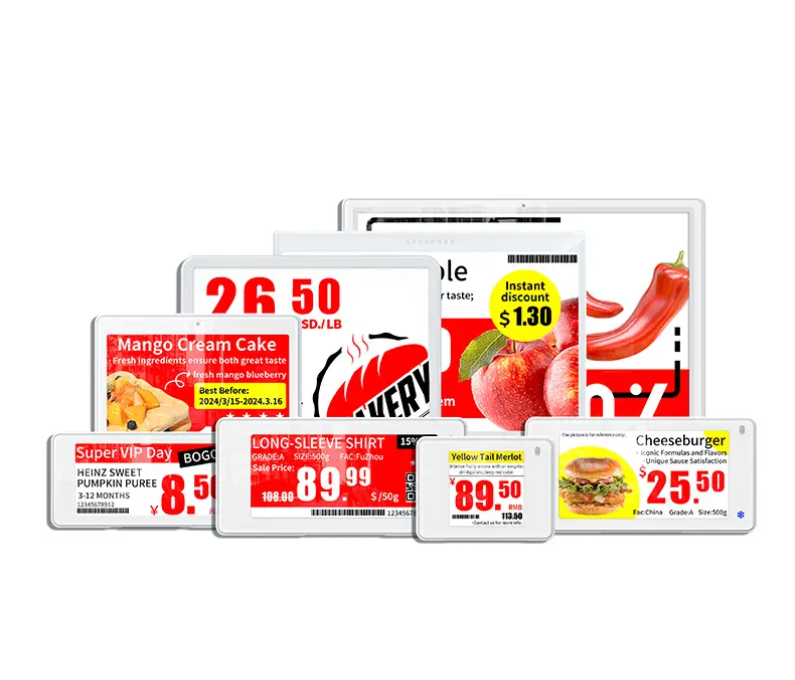
Modern ESLs use E Ink displays and wireless mesh networks to enable fast, accurate, and scalable price management. Key features include:
| Feature | Impact |
|---|---|
| Centralized updates | Modify prices across 10,000+ SKUs in <2 minutes |
| Two-way sync | Ensure 100% POS/shelf price alignment |
| Over-the-air firmware | Add capabilities like QR coupons post-deployment |
This infrastructure supports dynamic pricing rules based on expiration dates, demand shifts, or competitor tracking, laying the foundation for smarter retail operations.
The ESL market saw 41% year-over-year growth in 2023 and is projected to reach $3.33B by 2029. Early adopters report significant benefits:
Seven of the top 10 U.S. grocery chains now pilot or scale ESL systems, signaling a decisive shift toward digital shelf management.
Grocery stores are starting to use electronic price tags that let them set prices based on actual data rather than guesswork, especially for things that go bad quickly like fruits, veggies, and bakery items. When these tags connect to inventory systems, stores can change prices automatically depending on how long something will last on the shelf and what customers want right now. Some early tests showed this method cut down on wasted food by around 27%, which is pretty impressive considering all the money supermarkets spend on throwing stuff away. The system also helps stores run quick sales when they have too much stock without hurting their profits on items that fly off the shelves.
ESL systems transmit pricing changes to shelf labels in under 15 seconds using secure wireless protocols like 2.4GHz RFID. Centralized dashboards let regional managers coordinate promotions across multiple stores simultaneously, eliminating delays inherent in manual updates. Leading retailers report 92% pricing accuracy after implementing this technology.
Between 2022 and 2023, Sainsbury's reduced bakery waste by 18% using automated evening markdowns triggered by sales data. At the same time, Kroger increased margins on seasonal produce by 9% through algorithm-driven weekend pricing surges. Both chains maintained consistent shelf label accuracy across more than 500 test locations.
ESL systems these days combine tracking when products expire with smart algorithms that predict what customers will buy next, so stores can time their discounts just right. According to research published last year in retail technology journals, supermarkets that automate how they lower prices saw their stock of short shelf life items turn over 31 percent quicker than those still relying on old fashioned methods. The real win here is twofold actually: less food going bad in back rooms and better selling speed at checkout counters. Most grocery chains report around six dollars returned for every one invested in these electronic shelf labels specifically for fresh produce sections, which makes sense when thinking about all the money saved from throwing away spoiled goods alone.
Modern electronic price tags connect directly with point-of-sale (POS) systems, creating a unified pricing ecosystem. When inventory databases update, shelf prices change automatically—eliminating the manual reconciliation responsible for 42% of supermarket pricing errors (Retail Tech Journal 2023). This synchronization reduces checkout disputes by 73% compared to paper tag systems.
Automated updates remove the risks of handwritten price changes, which account for 28% of grocery pricing inaccuracies according to FDA audit data. Electronic shelf labels bypass error-prone processes like manual data entry and physical tag replacement.
A 12-month pilot with a major retailer showed ESL systems reduced price mismatches between shelves and registers from 9.1% to 6.3%—a 30% improvement that exceeded initial expectations.
Although 64% of grocers face integration challenges with older POS systems, modern solutions use API-driven middleware to bridge new ESL platforms with legacy infrastructure. Recent ERP integration advances enable real-time data flows without requiring full system replacements, protecting existing IT investments while enhancing pricing accuracy.
Supermarkets using electronic price tags eliminate manual sticker replacement, saving 15–20 employee hours weekly per store. Wireless updates free staff to focus on customer service and restocking, resulting in a 12% productivity boost observed in automation trials.
Chain-wide price adjustments now take minutes via centralized management platforms, replacing multi-day manual processes. This capability reduces cross-store pricing errors by 73% and allows simultaneous promotions across 200+ locations.
The UK retailer achieved a 65% reduction in pricing-related labor costs within six months of implementing ESLs. Managers redirected 140 monthly work hours previously spent on manual updates toward inventory audits and staff training.
Real-time sales and inventory data from ESLs help supermarkets:
One Midwest grocery chain reported 22% better stock rotation efficiency by syncing ESL expiration alerts with warehouse replenishment systems.
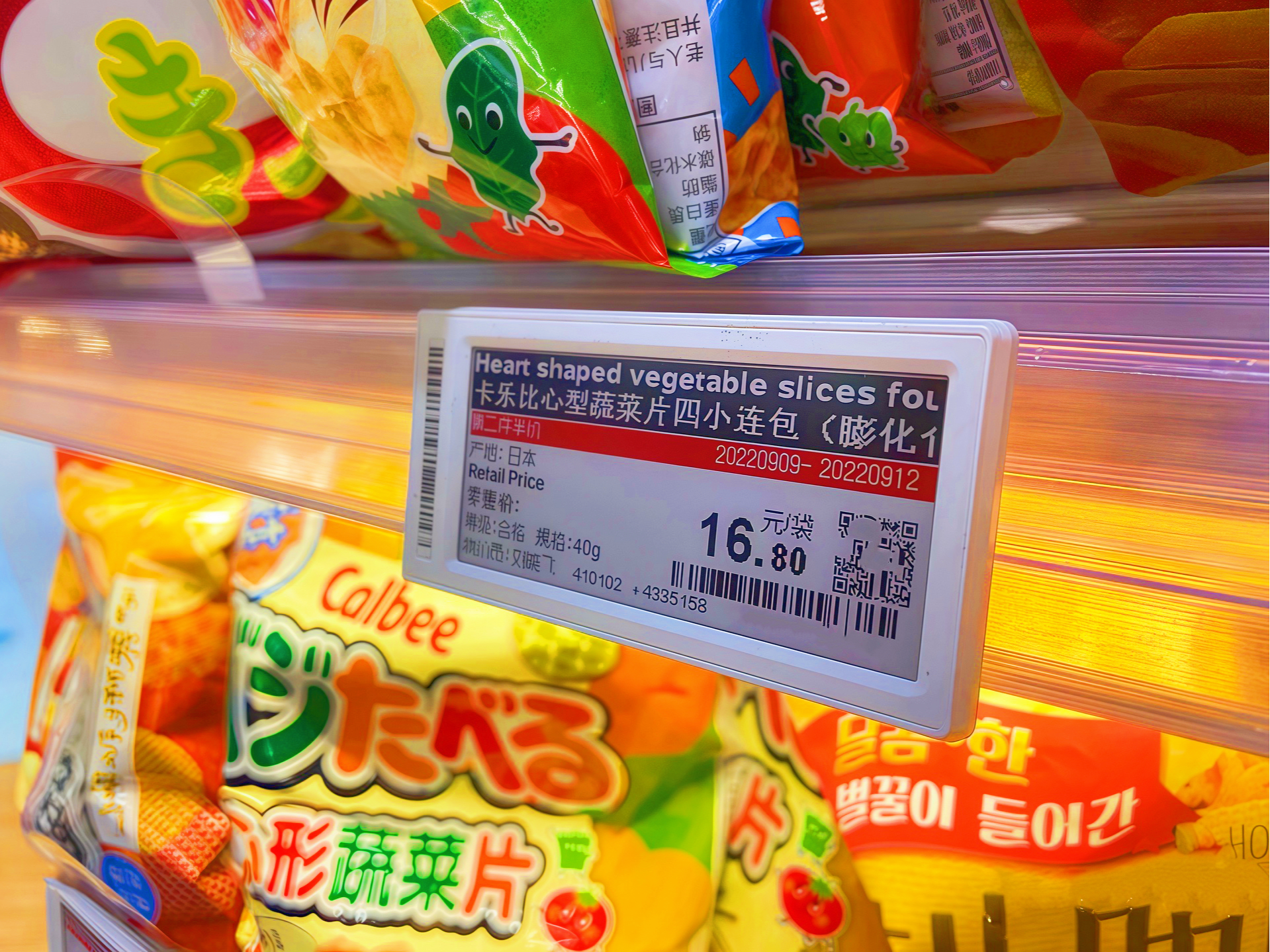
The latest electronic shelf labels now come with built-in LED screens that actually help people find their way around stores. Retailers who installed these smart navigation systems reported that shoppers could find what they wanted about 28 percent quicker according to a study from Retail Tech Initiative back in 2023. What's really cool about these digital price tags is how they show important stuff like allergy warnings right next to products, where ingredients came from, even some cooking suggestions all at eye height. This means fewer customers need to ask store employees questions while browsing.
45% of shoppers prefer scanning QR codes for product details rather than seeking staff help. ESL-integrated QR systems provide instant access to:
This self-service model resonates with Millennial and Gen Z shoppers, with grocers noting a 19% increase in engagement for products featuring interactive QR content.
Handheld ESL management apps allow employees to:
Retailers using these tools have cut pricing issue resolution times by 40%, with one UK supermarket reporting a 31% drop in customer complaints after rollout.
NFC-enabled ESLs deliver hyper-targeted offers, with a 2024 trial showing 27% higher redemption rates for personalized discounts versus blanket promotions. By combining shopper loyalty data, real-time inventory, and purchase history, context-aware digital displays adapt to show tailored deals as customers approach specific shelves.
Q: What are the main benefits of using Electronic Shelf Labels (ESLs) in supermarkets?
A: ESLs offer benefits such as reduced labor costs, increased pricing accuracy, faster inventory turnover, and enhanced customer engagement through smart displays and personalized promotions.
Q: How do electronic price tags contribute to pricing accuracy?
A: Electronic price tags eliminate manual data entry and human errors by synchronizing directly with POS systems, ensuring accurate and up-to-date pricing on the shelves.
Q: Can ESLs help in reducing food waste in supermarkets?
A: Yes, ESLs help in reducing food waste by enabling automated markdowns and dynamic pricing strategies based on real-time data and inventory levels.
Q: How do electronic price tags improve customer experience in-store?
A: They provide interactive displays with information like QR codes, nutritional data, and product origin, improving navigation and self-service, which enhances the overall shopping experience.
Q: Are there any integration challenges with using ESLs in existing retail systems?
A: While some grocers face integration challenges with older POS systems, modern solutions use API-driven middleware for seamless integration with existing infrastructure.
 Hot News
2024-09-14
2024-11-18
2023-11-14
2023-04-12
2019-07-11
We specialize in advanced electronic retail solutions to streamline operations and smarten up the shopping experience.