EN
EN
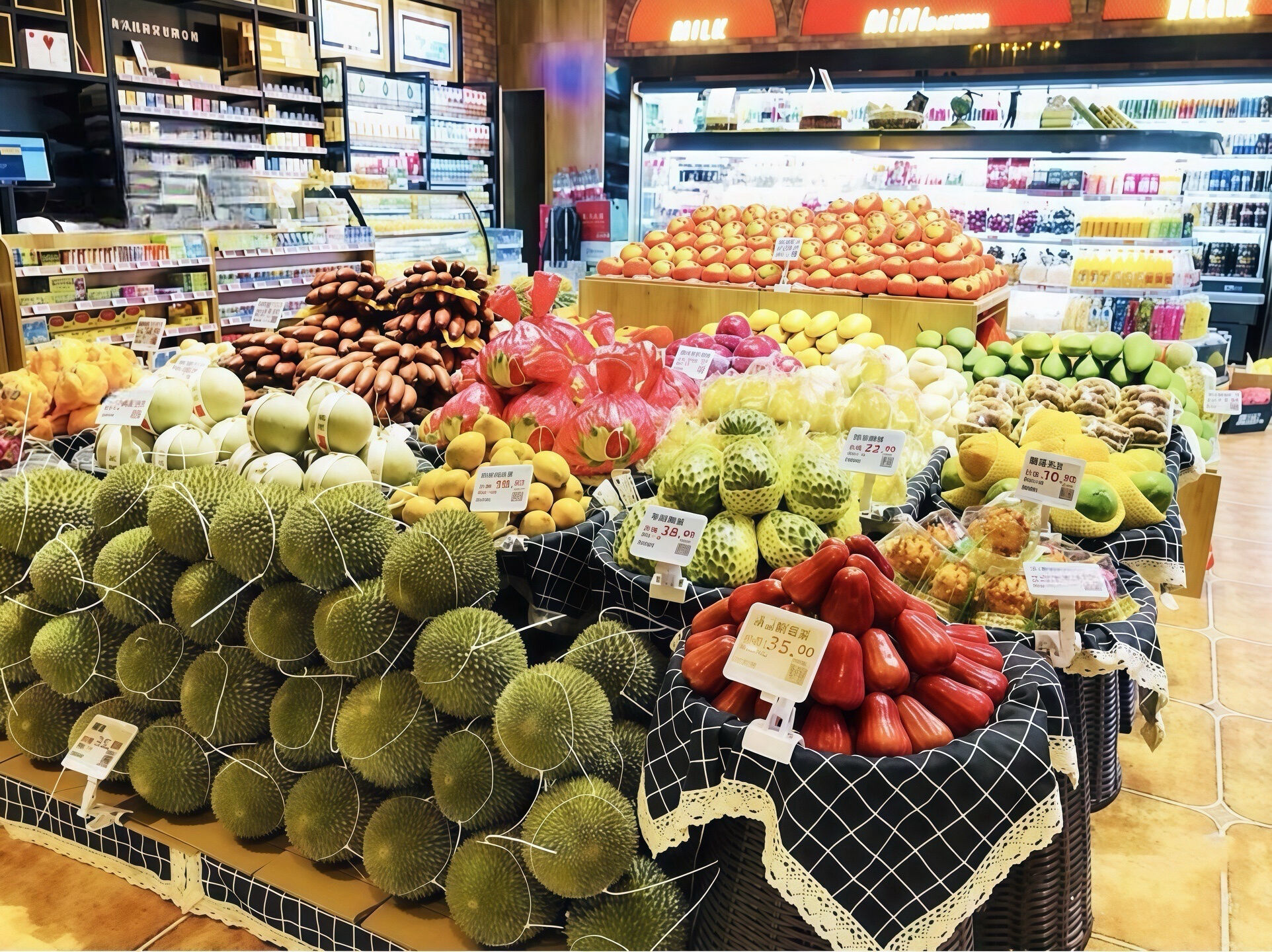
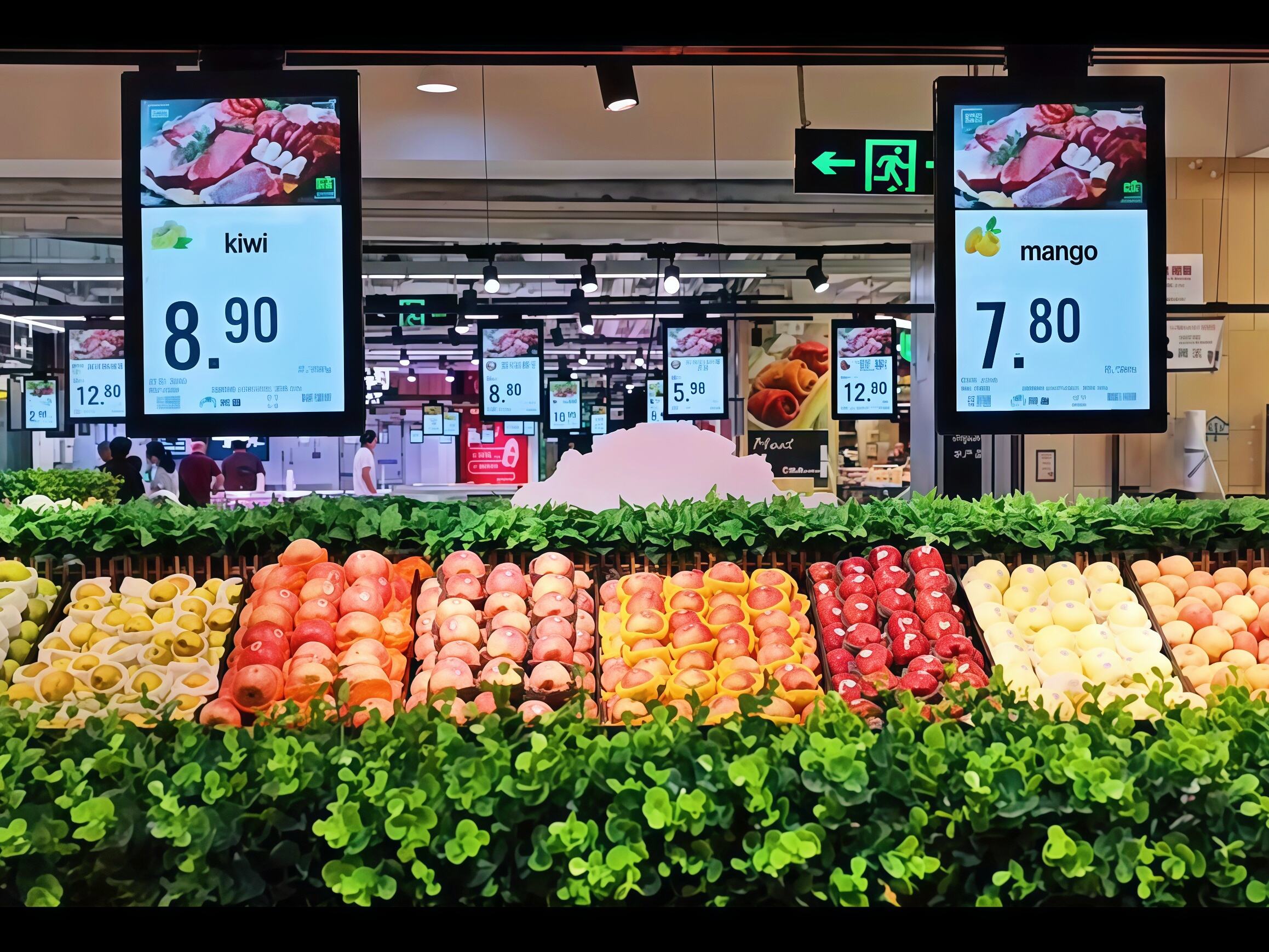
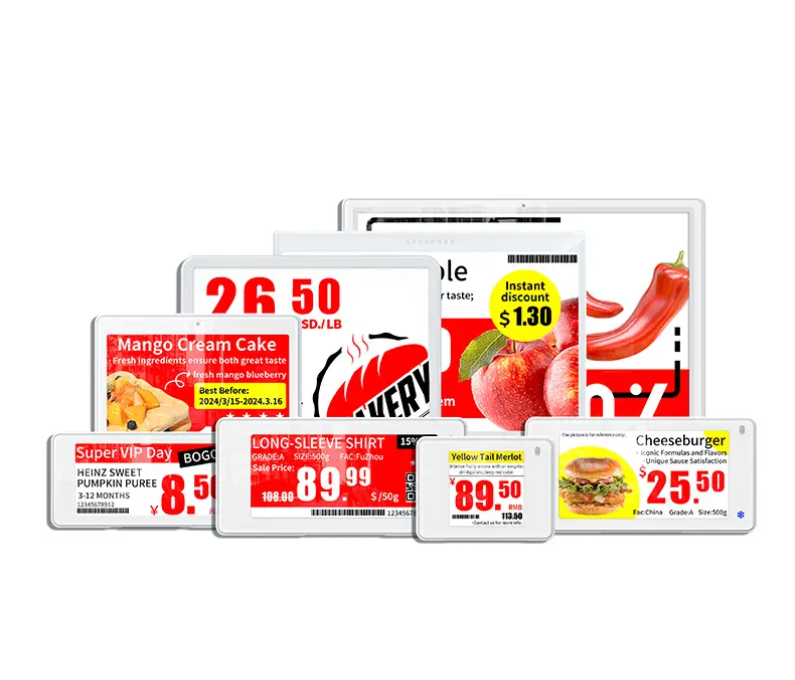
Electronic Shelf Labels (ESLs) are changing how stores work these days. They take those boring old price tags and turn them into something much more useful for finding what people need. Stores using color coded screens along with arrow directions have found that customers can find products about 30 percent quicker compared to regular paper tags, as shown in research from the Wayfinding Technology Study back in 2023. When retailers customize their icons too, like making dairy sections blue or organic stuff green, shoppers actually move through the aisles better. This setup cuts down on crowding in busy areas by around 18 percent, which makes everyone's shopping experience smoother overall.
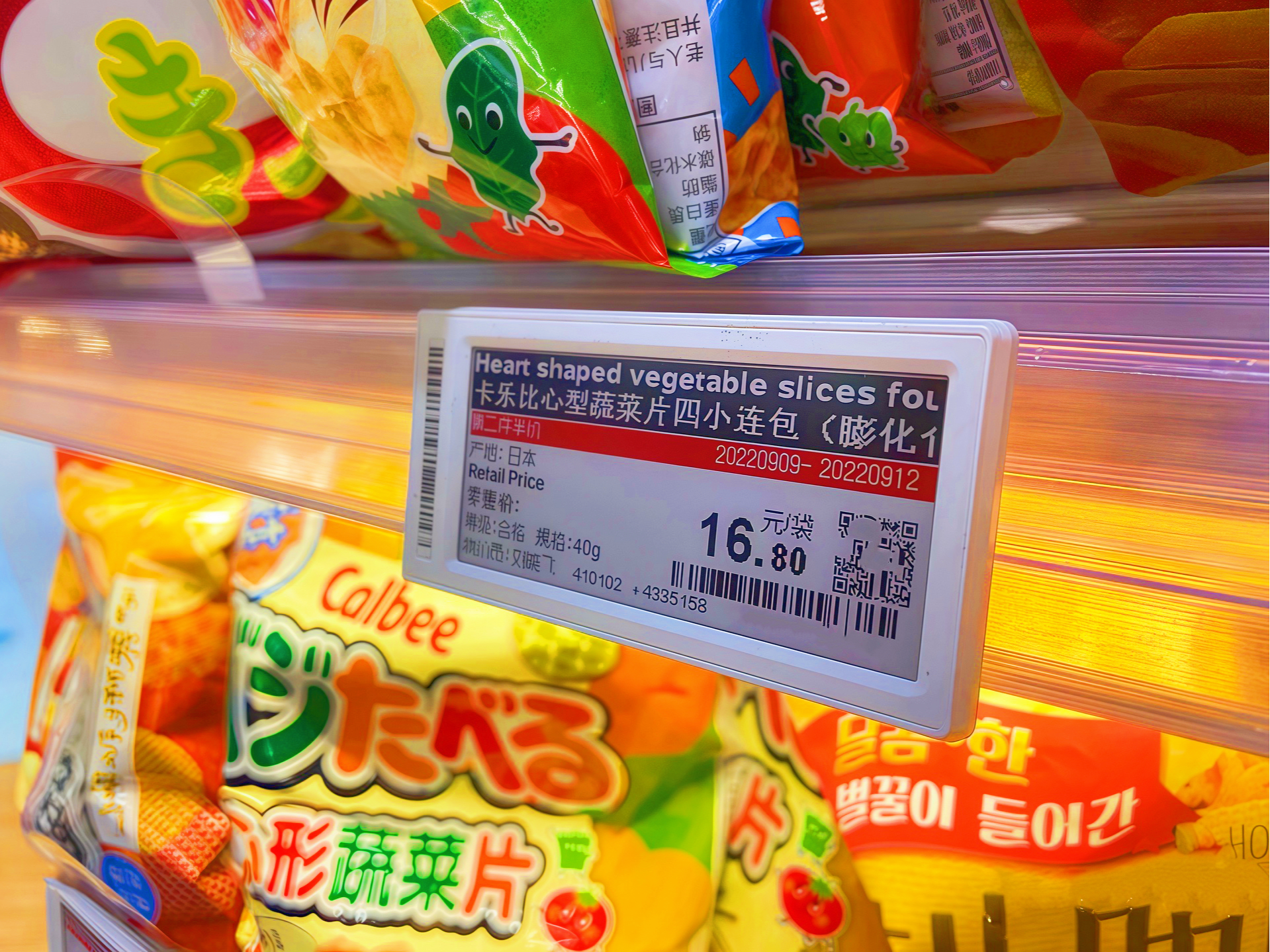
Around 74% of shoppers these days want prices on store shelves to line up with what they see online according to the Retail Consumer Trends Report from last year. Electronic shelf labels are helping stores keep up with this expectation thanks to updates that sync through the cloud, which puts an end to those annoying handwritten price mistakes we all used to see. These dual facing displays do double duty too they show staff important inventory info while at the same time displaying things like allergen warnings and product descriptions for customers. Early adopters have noticed something interesting about this setup service questions related to product details dropped by roughly 40% after implementing them across their stores.
A 150-store Midwest retailer implemented ESLs featuring promotional countdown timers and recipe suggestions. Over six months, they observed:
The retailer attributes these gains to time-sensitive offers and cooking inspiration delivered directly at the shelf edge, enhancing engagement during decision-making moments.
Centralized ESL management systems enable price updates across 500+ stores in under two seconds—critical for perishable goods. According to 2024 Grocery Operations Data, retailers using these platforms achieve:
| Metric | Improvement |
|---|---|
| Pricing accuracy | 84% |
| Promotion consistency | 91% |
| Update labor costs | -63% |
This infrastructure supports localized pricing strategies while maintaining corporate oversight, resolving scalability issues tied to manual labeling.
Electronic shelf labels or ESLs help tackle those annoying price discrepancies that drive shoppers crazy because they keep the prices on display matching exactly what gets charged at checkout. According to recent studies from the retail sector, stores implementing this technology see a massive drop in customer irritation levels—around 74% less frustration when compared to traditional paper tags. Grocery chains that have adopted central ESL management systems are seeing something pretty impressive too: about 41% reduction in complaints regarding incorrect pricing information. And guess what? These improvements translate into better customer satisfaction ratings as measured by Net Promoter Score (NPS), which basically tells businesses how likely customers are to recommend them to others.
A 2023 Nielsen study tracking 12 grocery chains found that ESL adoption reduces pricing errors from 5.1% to 0.4% within six months. Key operational benefits include:
| Metric | Improvement |
|---|---|
| Checkout disputes | 65% decrease |
| Price audit efficiency | 80% faster |
| Staff productivity | 22% increase |
Accurate pricing not only streamlines operations but also strengthens consumer confidence at the point of purchase.
While implementation costs range from $0.80 to $2.50 per label, retailers typically achieve ROI within 24–36 months through reduced labor and error-related losses. Automated updates eliminate 58% of manual restocking hours, freeing staff to assist customers—a strategic advantage given that 83% of shoppers avoid stores with frequent pricing discrepancies.
The way supermarkets arrange their layouts along with how they label shelves actually plays a big role in directing where people walk around the store. Most grocery stores put essentials such as bread and milk towards the back so customers have to pass through aisles filled with stuff that costs more money. Premium brand products tend to sit right at eye level on those middle shelves, whereas cheaper store brands get shoved down below where most folks don't look first. Studies indicate when stores group things that go together, say putting different types of spaghetti sauce next to boxes of pasta, this setup boosts sales across categories somewhere between 18 and 23 percent simply because shoppers find what they need easier.
Digital shelf labels enhance traditional color-coding strategies:
A 2023 retail behavior study found impulse purchases increase by 32% when seasonal displays combine color-coded tags with animated price transitions on ESLs. Shelf-edge LEDs can also flash softly when stock falls below set thresholds, alerting both staff and customers in real time.
| Placement Zone | Customer Engagement Strategy | Average Dwell Time Increase |
|---|---|---|
| Endcap Displays | Rotating themed promotions | 14–19% (Q1 2024 Grocery Data) |
| Checkout Lanes | Mini ESLs for last-minute deals | 22% |
| Produce Perimeter | Dynamic freshness timers on labels | 27% |
Vertical segmentation prioritizes mid-shelf placements for new products, reserving top and bottom zones for bulk items. Stores using three-tier labeling systems report 41% fewer inquiries about product details or pricing, indicating improved self-service clarity.
When combined with LED floor lights and shopping carts packed with sensors, ESL technology becomes pretty much essential for smart store navigation. Retailers who sync their digital price tags with colorful path markers that change based on where products actually are can slash search times by around 22%. The smart shopping carts themselves show custom directions that refresh constantly while shelf labels send out messages about prices dropping or stock running low. This helps clear up those crowded aisles during busy periods. According to some research in the IoT field, stores implementing these systems typically see about a 17% boost in how smoothly customers move through the space.
One Scandinavian supermarket cut down on customer wandering around by about 30% when they started putting RFID tags on their shelf price labels that connect to shoppers' phones. If someone stops looking at something special on display, the app sends them information about what's nearby plus some recipes that go well together, which gets people buying extra stuff. The store mixed regular electronic shelf prices with those little signal devices that help find directions, turning boring price tags into helpful guides. This shows just how much better shopping can be when all these digital tools work together instead of standing alone.
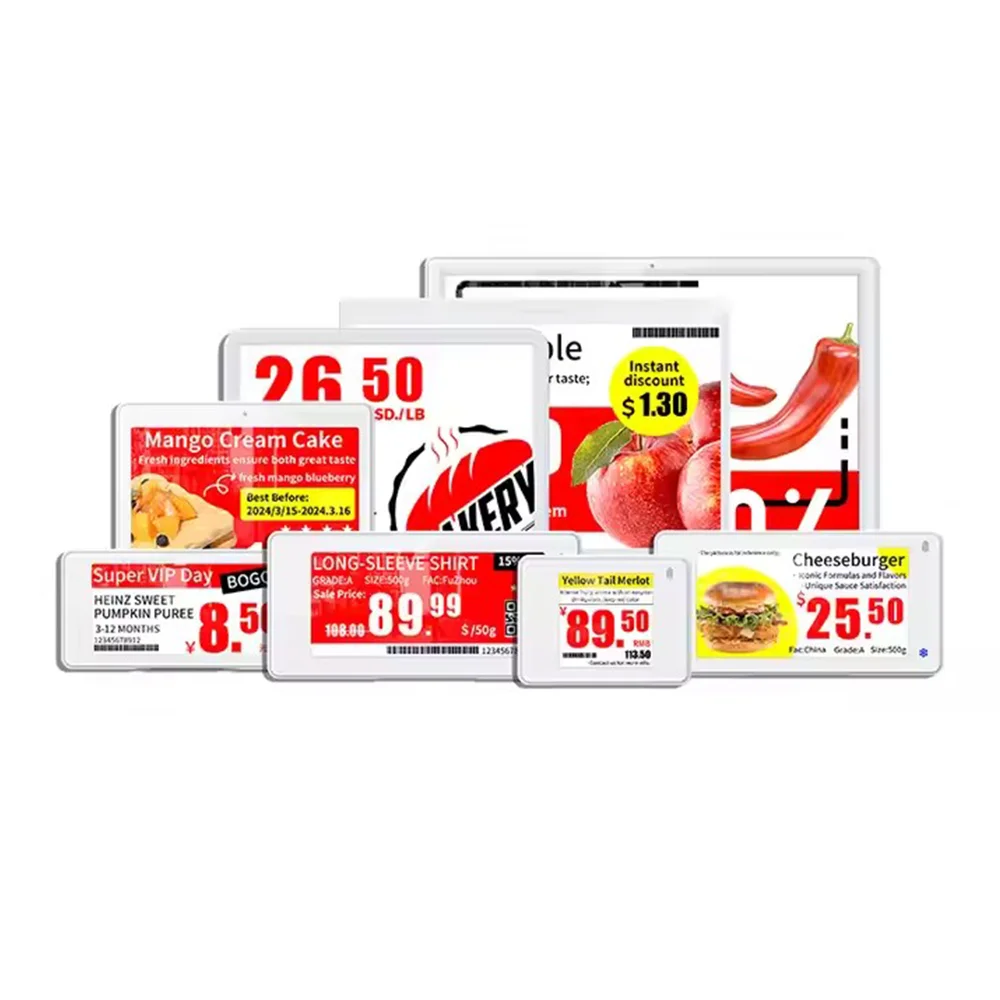
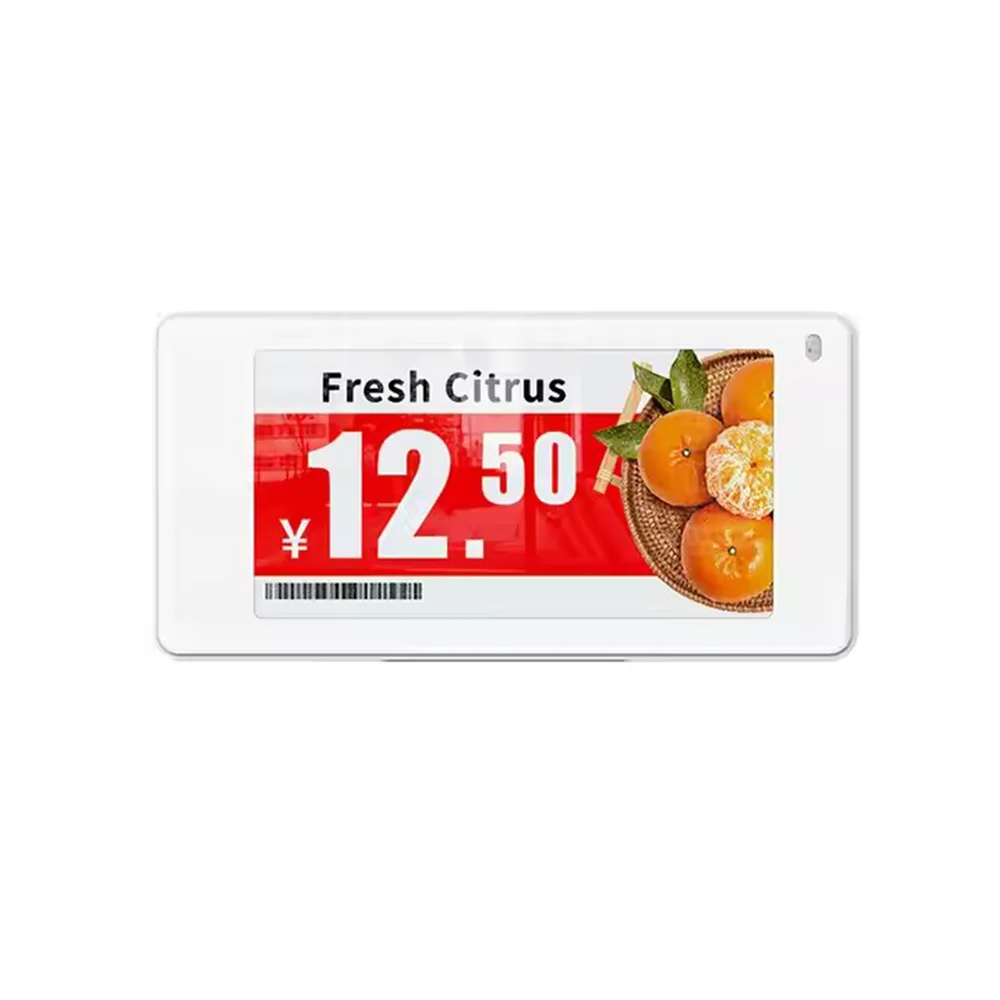
Electronic Shelf Labels are digital price tags used in retail stores to display product information, promotional offers, and prices, offering real-time updates and improved customer navigation.
ESLs use color-coded screens and dynamic displays to help customers find products faster, reducing crowding and enhancing the shopping experience.
Real-time updates ensure pricing accuracy, reduce manual errors, and allow retailers to manage consistent promotions across various locations efficiently.
By providing accurate pricing and eliminating discrepancies between shelf prices and checkout, ESLs enhance customer trust and satisfaction.
Although the initial cost per label can be between $0.80 and $2.50, retailers can expect ROI within 24-36 months due to reduced labor costs and increased efficiency.
 Hot News
2024-09-14
2024-11-18
2023-11-14
2023-04-12
2019-07-11
We specialize in advanced electronic retail solutions to streamline operations and smarten up the shopping experience.