EN
EN

Retailers lose $3.4 million annually due to pricing errors (2024 Retail Operations Report), highlighting the inefficiencies of manual price updates. Traditional paper-based systems require employees to spend 23 hours weekly replacing tags, increasing the risk of mismatches between shelf labels and POS systems.
Stores using paper labels face a 23% pricing error rate (Nielsen 2023), often due to rushed updates during promotions or inventory shifts. Seasonal sales amplify inconsistencies, with 38% of retailers reporting customer complaints about incorrect discounts.
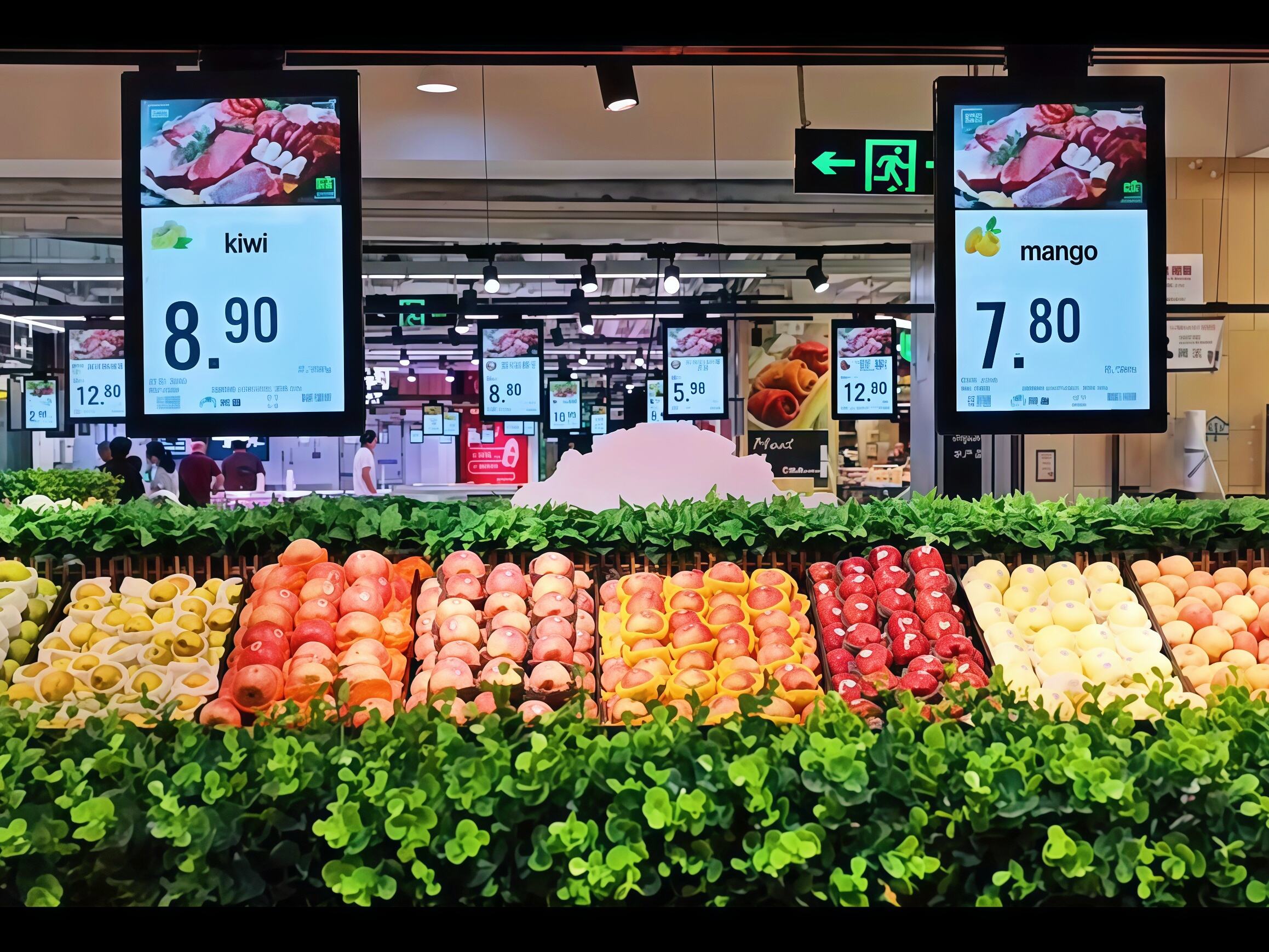
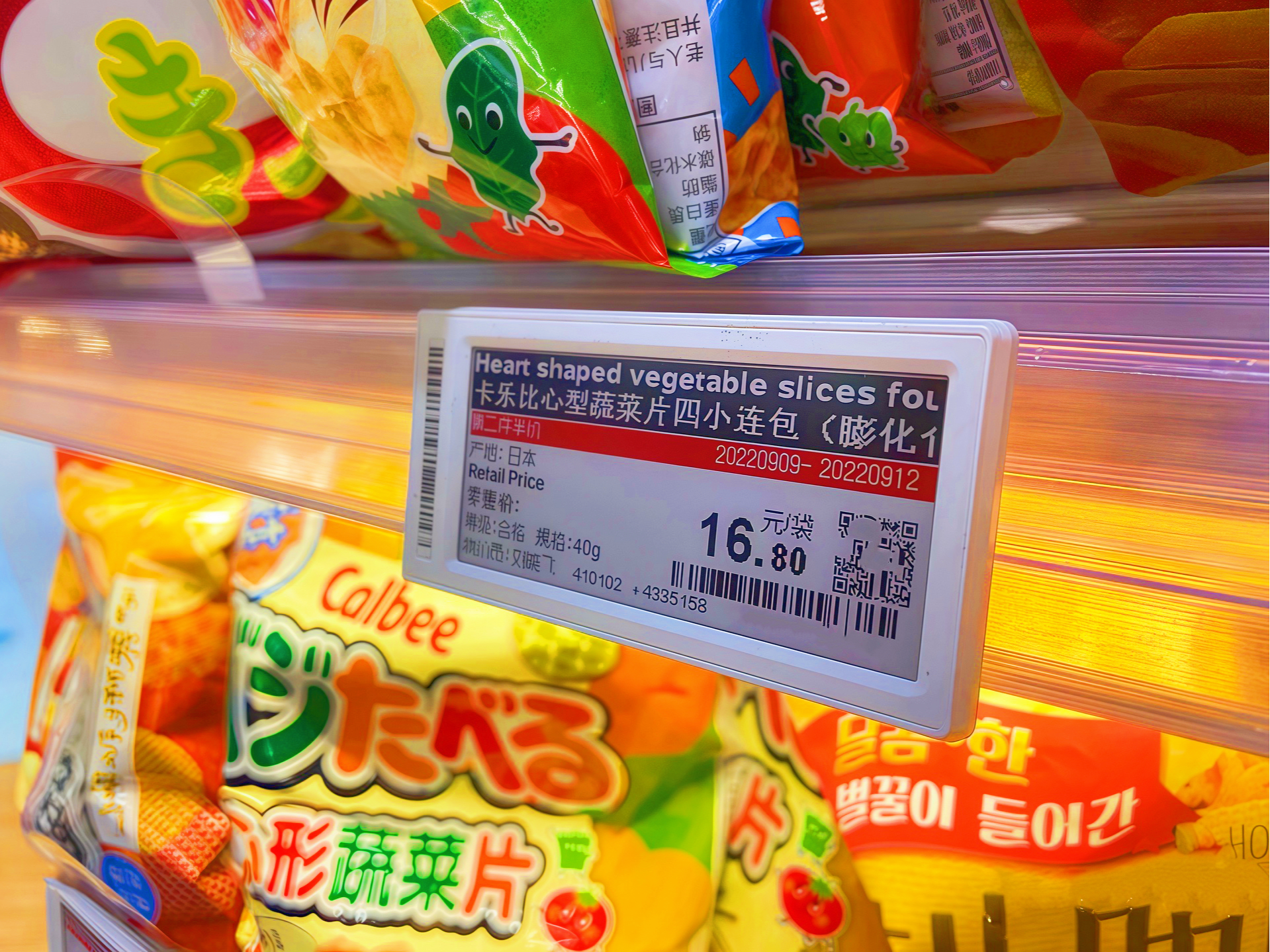
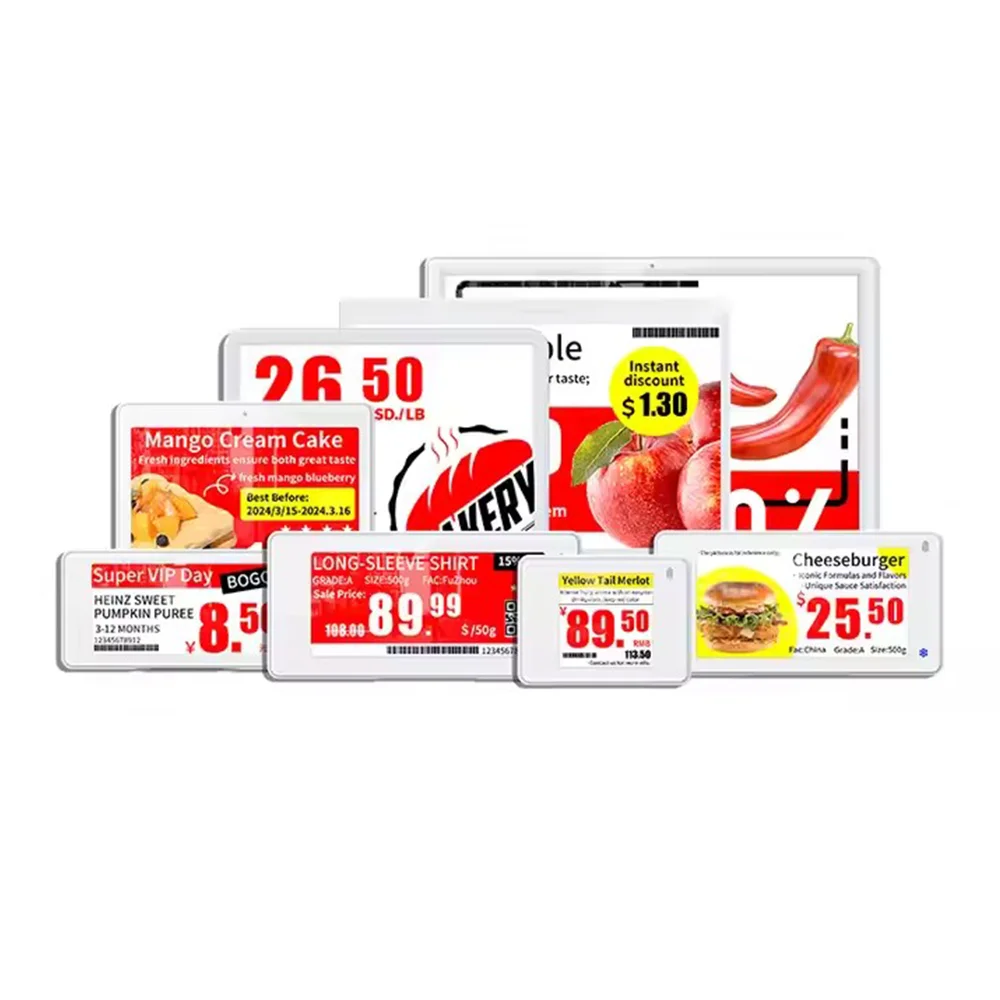
Wireless ESL systems sync pricing data across shelves and checkout counters in under three seconds, eliminating human error. Centralized cloud platforms allow zone-specific promotions with 99.98% price accuracy (ComQi 2023 study). Integration with ERP systems ensures seamless updates during supplier cost changes, flash sales, and tax adjustments.
A regional grocer with 120 locations reduced pricing disputes from 14 to 3 per week after implementing ESLs (RetailTech Insights 2023). The chain saved 410 labor hours monthly previously spent printing and replacing paper tags.
| Process | Manual System | ESL Solution |
|---|---|---|
| Time per Change | 45 minutes | 4 seconds |
| Error Rate | 1.2% | 0.03% |
| Source: Ponemon Institute 2024 retail automation survey of 287 companies |
ESLs enable same-day response to market shifts, with 92% of adopters confirming improved compliance during regulatory price changes.
Electronic shelf labels reduce price update times from hours to seconds. A major apparel retailer cut weekly price-change labor by 14 hours per location, freeing staff to focus on customer service instead of manual tag replacement.
In stores with over 10,000 SKUs, ESLs eliminate time-consuming physical updates during promotions. Employees who once spent 72% of peak season shifts on pricing tasks now support inventory audits and customer engagement. Research confirms such labor reallocation improves productivity by 18% in high-volume environments.
While ESL hardware costs range from $0.50 to $2 per label, retailers typically achieve ROI within 12–18 months. For a 100-store chain, eliminating 30 full-time roles dedicated to pricing tasks translates to $1.2M in annual savings—a 4:1 return over five years.
According to the 2023 Retail Workforce Analysis, stores with ESLs redirected 30% of staff hours toward customer interactions, boosting satisfaction scores by 22% and upsell conversion rates by 9%. One Midwest grocery chain reported associates spending 11 additional hours weekly assisting shoppers post-implementation.
Cloud-connected ESL systems synchronize prices across digital and physical channels instantly, reducing mismatches that lead to cart abandonment. Retailers using this technology update prices 90% faster than manual methods (Retail Systems Research 2023), ensuring consistency during flash sales and inventory changes—key for omnichannel shoppers.
Stores with ESLs report 42% fewer customer complaints about pricing errors. With 78% of shoppers verifying prices digitally before purchasing, clear LCD/LED displays enhance credibility. Consistent pricing across apps and aisles increases satisfaction scores by 34% in retail loyalty studies.
Dynamic ESL networks activate time-sensitive deals storewide in under 30 seconds—critical during Black Friday or perishable markdowns. A 2024 grocery sector analysis found ESL-equipped stores ran 3.5 times more promotions monthly without increasing labor demands.
Retailers are combining ESLs with CRM and sensor data to deliver targeted discounts. Loyalty members, for example, see personalized promo pricing as they approach specific shelves, while overstocked items trigger automated “buy one, get one” offers. Early adopters report 19% higher upsell rates using this hyper-personalized strategy.
Modern ESLs integrate directly with inventory databases and POS systems via APIs, eliminating manual reconciliation. This real-time sync reduces pricing discrepancies by 95% and cuts restocking delays by 41% (2023 Smart Retail Report).
Centralized cloud platforms allow multi-store price updates from a single dashboard. A 2023 initiative by a major UK grocery chain demonstrated this scalability, remotely adjusting prices across 1,500 locations while aligning promotions with e-commerce platforms.
Top retailers use a three-stage rollout:
A national home goods chain completed chainwide ESL implementation in 26 weeks by prioritizing high-SKU stores, using Bluetooth Low Energy (BLE) tags for reliable connectivity, and training managers through augmented reality modules. The project achieved 100% pricing accuracy and a 19% reduction in labor hours spent on label updates.
Retailers adopting electronic shelf labels are future-proofing operations amid a $1.5 trillion global shift toward smart stores (Retail Technology Trends 2025). This transformation addresses key demands:
Leading grocers using ESLs roll out promotions 22% faster than competitors through centralized control. The technology supports:
When selecting an ESL solution, prioritize platforms with open API architectures. A 2023 IoT Retail Integration Study found that systems supporting these standards deliver:
| Compatibility Feature | ROI Multiplier | Implementation Speed |
|---|---|---|
| Cloud POS integration | 3.2x | 34% faster |
| IoT sensor networks | 2.8x | 29% cost reduction |
| Mobile workforce tools | 2.1x | 41% training efficiency |
As highlighted in industry analysis of smart store integrations, the most scalable deployments combine NFC-enabled labels with modular software that adapts to emerging technologies like 5G, edge computing, and AI-powered shelf analytics—ensuring long-term relevance and performance.
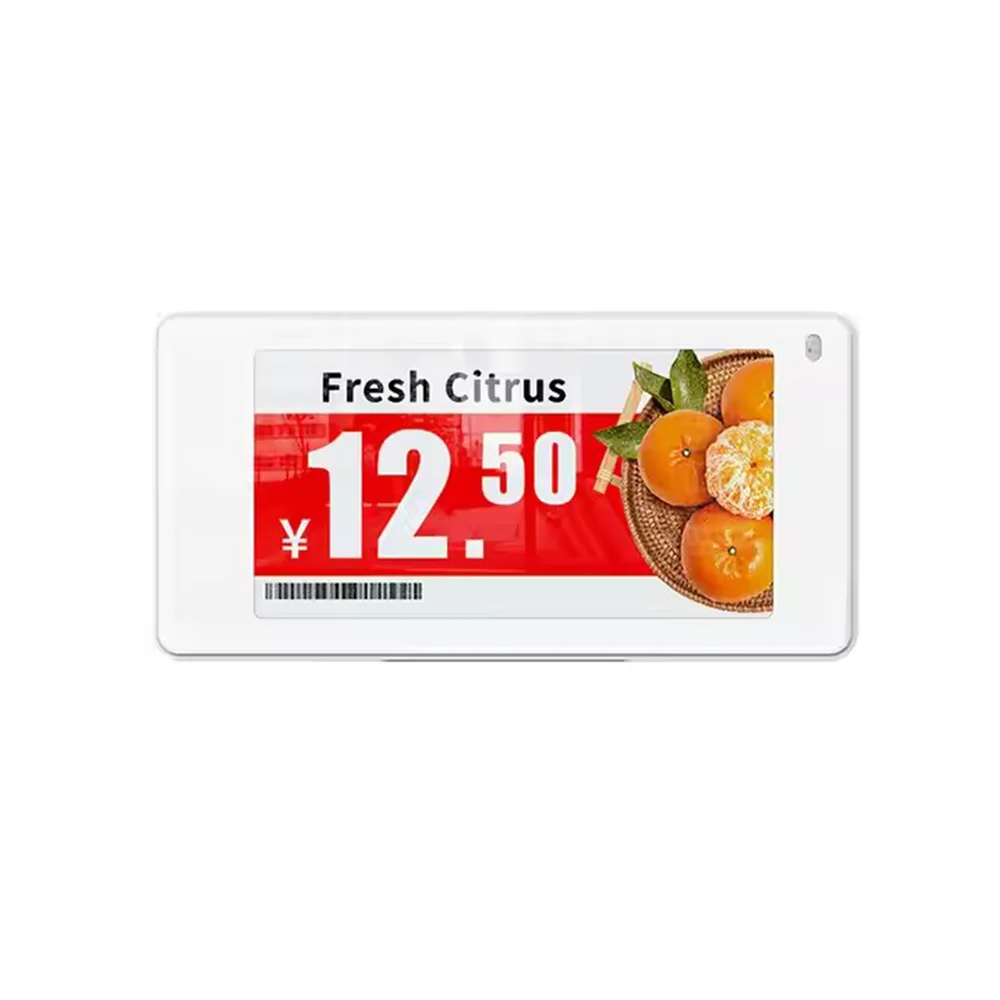
ESLs are digital pricing displays used in retail environments to improve price accuracy and efficiency by wirelessly syncing with point-of-sale systems.
ESLs reduce pricing errors, save labor hours, and enable real-time price updates, resulting in enhanced operational efficiency and customer satisfaction.
Retailers often achieve ROI within 12–18 months, with long-term savings through labor cost reductions and efficiency improvements.
ESLs provide consistent pricing across digital and physical stores, reduce customer complaints, and enable dynamic promotions, improving overall shopping experience.
 Hot News
2024-09-14
2024-11-18
2023-11-14
2023-04-12
2019-07-11
We specialize in advanced electronic retail solutions to streamline operations and smarten up the shopping experience.