EN
EN

Manual price changes cost retailers $740k annually in labor and errors (Ponemon 2023). Employees swapping paper tags waste 15–20 hours weekly per store, often causing shelf/checkout price mismatches that frustrate customers. Over 60% of pricing discrepancies stem from delayed updates during promotions or clearance events.
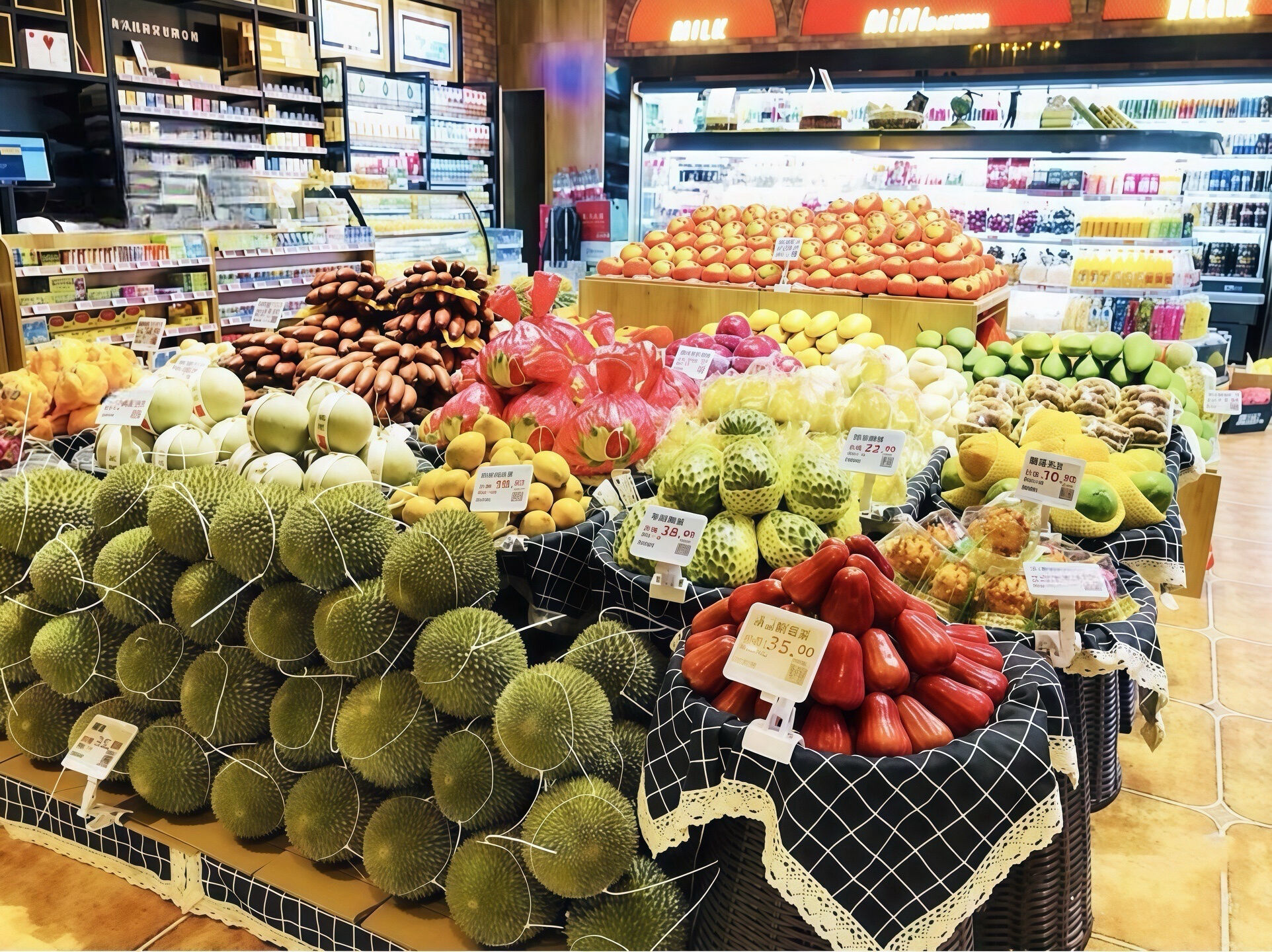
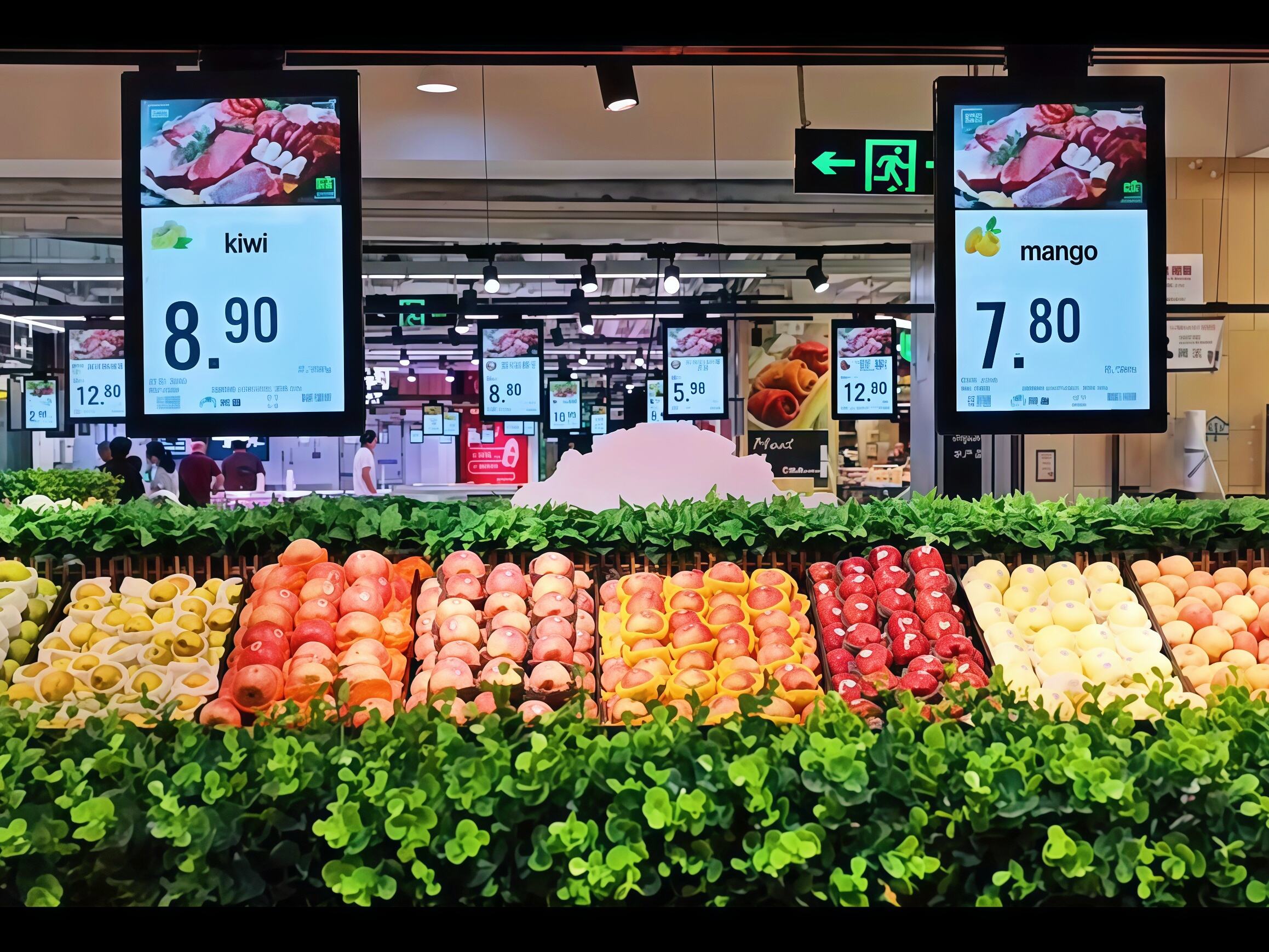
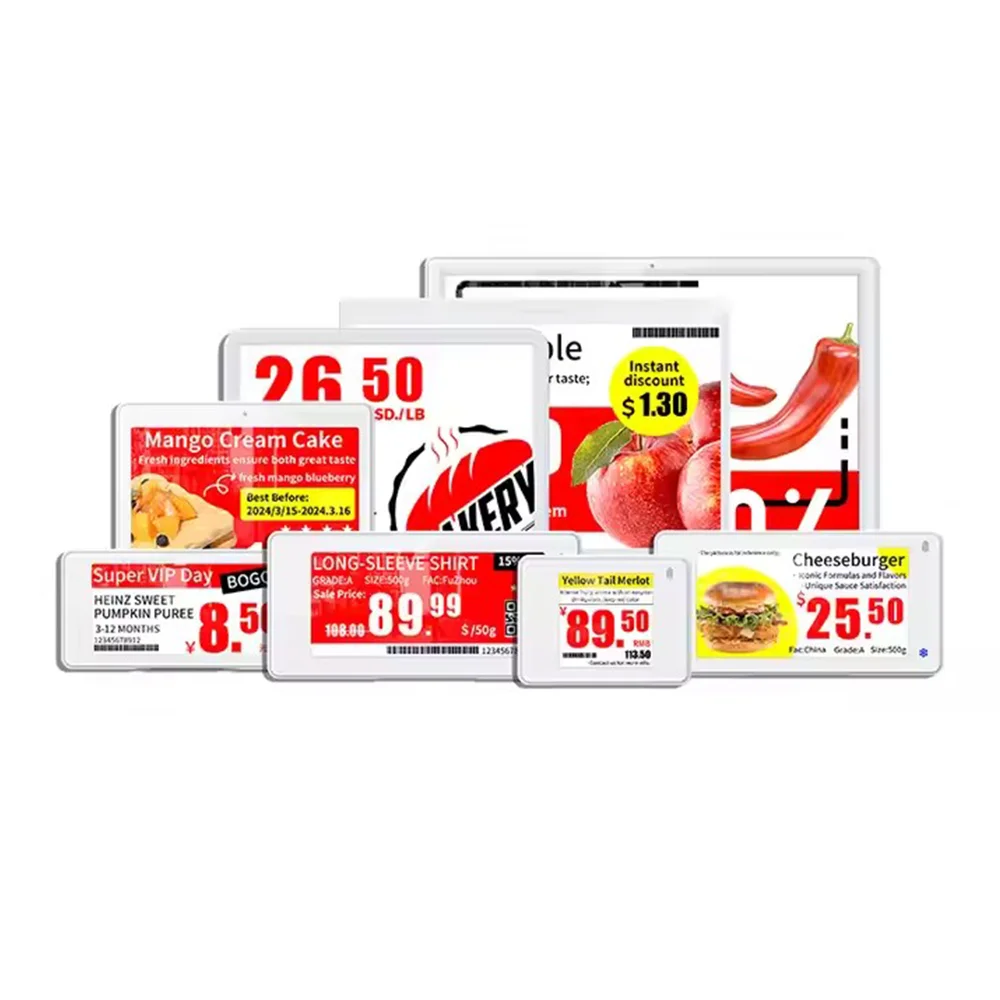
Electronic shelf labels (ESLs) sync prices across POS systems and shelves in seconds via cloud platforms. For example, a Midwest grocery chain eliminated 12,000 manual label updates monthly by automating markdowns through its ERP system. Key advantages over paper tags include:
| Feature | ESLs | Traditional Labels |
|---|---|---|
| Update Speed | <10 seconds | 5–15 minutes/item |
| Error Rate | 0.1% | 4.7% (Retail Dive 2024) |
| Labor per 1,000 Updates | 0.2 hours | 8.5 hours |
A 250-store retailer cut pricing inaccuracies from 6.2% to 0.3% in 8 months using ESLs integrated with its inventory management software. The system auto-flags mismatches between shelf labels and POS data, enabling same-hour corrections. This dynamic price synchronization contributed to a 9% revenue lift through improved promotional execution.
Retailers now update regional pricing 83% faster using ESLs (2024 Retail Tech Report). A national pharmacy chain executes zone-based COVID test kit pricing across 1,100 locations in <90 seconds—a task previously requiring 3 days of staff overtime.
Integrate ESLs with your:
Best-in-class retailers achieve 99.6% price accuracy by automating exception alerts for ESL/POS mismatches, resolving 92% of issues before customers notice.
Retailers waste up to 30% of labor hours on manual price updates, shelf audits, and promotional labeling—tasks prone to human error and inefficiency. Employees often juggle label changes during peak hours, creating bottlenecks in restocking and customer service workflows.
Electronic shelf labels (ESLs) automate price synchronization, eliminating 80% of manual labeling labor while ensuring 99.9% pricing accuracy. Stores using centralized ESL systems reallocate 12–15 weekly hours per employee to high-value tasks like inventory optimization. For example, a 2023 retail operations study found digitally managed stores reduced payroll costs by 18% annually.
A regional grocery chain replaced paper tags with ESLs across 50 locations, saving 1,200 staff hours monthly previously spent on labeling. This freed 25 FTEs to focus on curbside pickup coordination and personalized shopper assistance, driving a 14% increase in customer satisfaction scores.
Retailers now dedicate 63% more labor hours to in-store experiences post-ESL adoption. Staff trained in omnichannel support and visual merchandising see 22% higher upsell conversion rates compared to label-focused roles.
Key metrics to track:
Retailers managing disjointed systems face pricing errors, inventory mismatches, and operational delays. Electronic shelf labels (ESLs) bridge these gaps by syncing shelf-edge data with enterprise platforms in real time, creating a unified foundation for accurate pricing and inventory management.
Old school retail setups tend to run into trouble when their enterprise resource planning (ERP), point of sale (POS), and inventory databases don't talk to each other properly. According to a recent 2023 tech survey for the retail sector, nearly seven out of ten multi-location stores deal with price mismatches every week because these systems aren't connected. Electronic shelf labels (ESLs) solve this problem by cutting out all those tedious manual updates. They automatically send and receive information between the price tags on shelves and the main computer systems, something we saw clearly in our look at how different retail systems work together. The results speak for themselves too. Stores that implemented this kind of integration reported a huge drop in over-selling incidents – around 42% fewer cases where they sold products they didn't actually have in stock. And this works across all sales channels, not just physical stores.
Today's electronic shelf label (ESL) systems are built on API-first designs that link directly into major ERP platforms' pricing databases as well as point-of-sale transaction records. The moment prices get adjusted in the ERP system, these digital labels refresh almost instantly on store shelves something that becomes really important when stores need to follow fast-changing pricing rules. According to industry data, grocery chains and big box stores that have adopted these connected ESL technologies typically cut down their staff hours spent on price changes by around 90% versus old fashioned manual updates. We've also seen from recent field tests in several retail environments that keeping everything synced up between what customers see on shelves and what registers show at checkout actually cuts down those frustrating price disagreements by roughly three quarters. This consistency makes a huge difference in customer satisfaction and operational efficiency.
A 300-store apparel chain reduced price mismatches from 8.2% to 0.4% within six months of ESL deployment. The solution connected their cloud-based ERP with 14,000 ESL units and 485 POS terminals, enabling automatic price alignment during flash sales and seasonal promotions. Store managers reclaimed 15 hours weekly previously spent verifying label accuracy.
57% of omnichannel retailers now use ESLs to display real-time e-commerce inventory levels on store shelves. This transparency improves buy-online-pickup-in-store (BOPIS) success rates by 33% while reducing “out of stock” complaints by 61% across blended shopping journeys.
By prioritizing system interoperability, retailers achieve 99.6% price accuracy while cutting integration maintenance costs by $18k annually per location.
The old fixed pricing model just can't keep up when consumer preferences change, competitors adjust their tactics, or there's too much stock on hand. When stores still rely on those paper price tags, it takes anywhere from 3 to 5 hours for managers to actually update prices after making a decision. That delay puts businesses at a serious competitive edge problem, especially since nearly seven out of ten shoppers these days pull out their phones to check prices right then and there while standing in the store aisle according to McKinsey research from last year.
Electronic shelf labels (ESLs) empower retailers to execute dynamic pricing strategies that respond to:
A 2023 Nielsen study found stores using demand-driven ESL adjustments reduced pricing errors by 73% while increasing margins on time-sensitive goods by 8%.
A European electronics chain implemented ESL-driven pricing for over 15,000 SKUs. The system automatically applied:
This strategy yielded a $2.1M annual profit increase through 12% margin expansion, demonstrating how automated price synchronization bridges digital and physical retail environments.
Leading retailers now coordinate in-store ESL updates with digital campaigns:
| Traditional | ESL-Enabled | |
|---|---|---|
| Promo Launch Speed | 8-24 hours | <5 minutes |
| Cross-Channel Sync | 62% accuracy | 98% accuracy |
| Price Error Rate | 9% (Nielsen 2022) | 0.4% (ESL adopters) |
This integration enables true omnichannel flash sales—a capability that drove 41% higher same-day pickup orders for home goods retailers during 2023 holiday tests.
Best practices for scaling dynamic pricing:
Retailers combining ESLs with AI-powered demand forecasting achieve 17% higher campaign ROI through precise inventory-price alignment (PwC 2024). The system’s ability to update entire store groups simultaneously ensures compliance with regional pricing regulations—a key advantage for chains operating across multiple markets.
Discrepancies between shelf prices and checkout totals remain a critical pain point, with 74% of shoppers reporting lost trust in retailers after just one pricing error (Retail Consumer Report 2023). Electronic shelf labels eliminate these mismatches by ensuring real-time synchronization between displayed prices and central databases.
By enabling instant price updates across thousands of SKUs, ESLs create a frictionless shopping experience. Staff no longer waste hours manually replacing paper tags, freeing them to assist customers directly—a key driver of satisfaction scores.
When an omnichannel leader integrated ESLs with its inventory systems, order fulfillment errors dropped 83% within six months. The system automatically flags low-stock items, preventing overselling and ensuring accurate click-and-collect order availability.
Retailers now leverage ESLs’ IoT capabilities for real-time shelf monitoring. Sensors detect out-of-stock scenarios 58% faster than manual audits (2024 Retail Tech Survey), triggering automated replenishment alerts to warehouse teams.
Forward-thinking chains use ESL data to predict demand surges and pre-position inventory. This reduces last-mile delivery costs by 19% while ensuring 98% same-day pickup readiness for online orders—a critical advantage in omnichannel retail.
What are Electronic Shelf Labels (ESLs)?
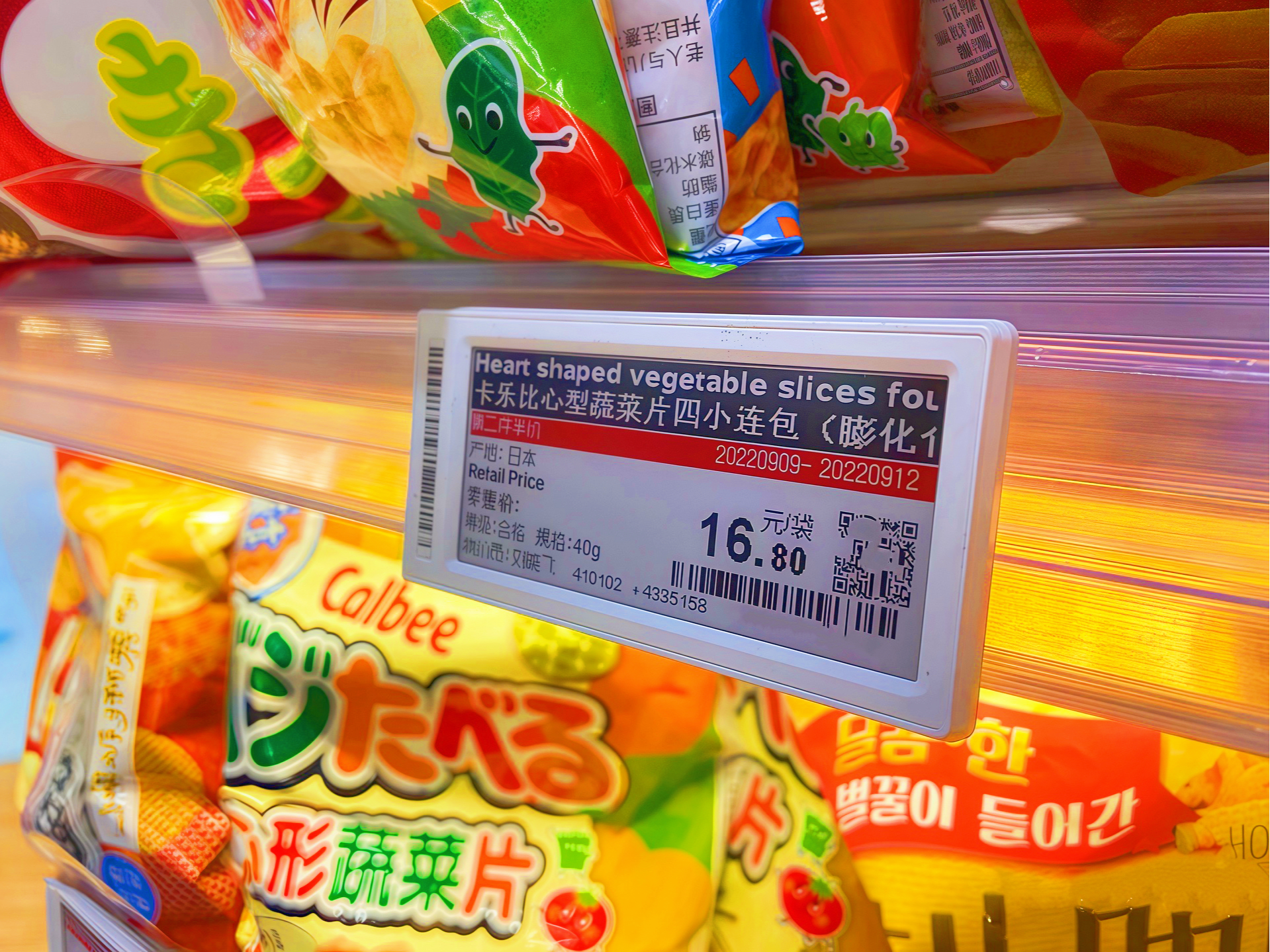
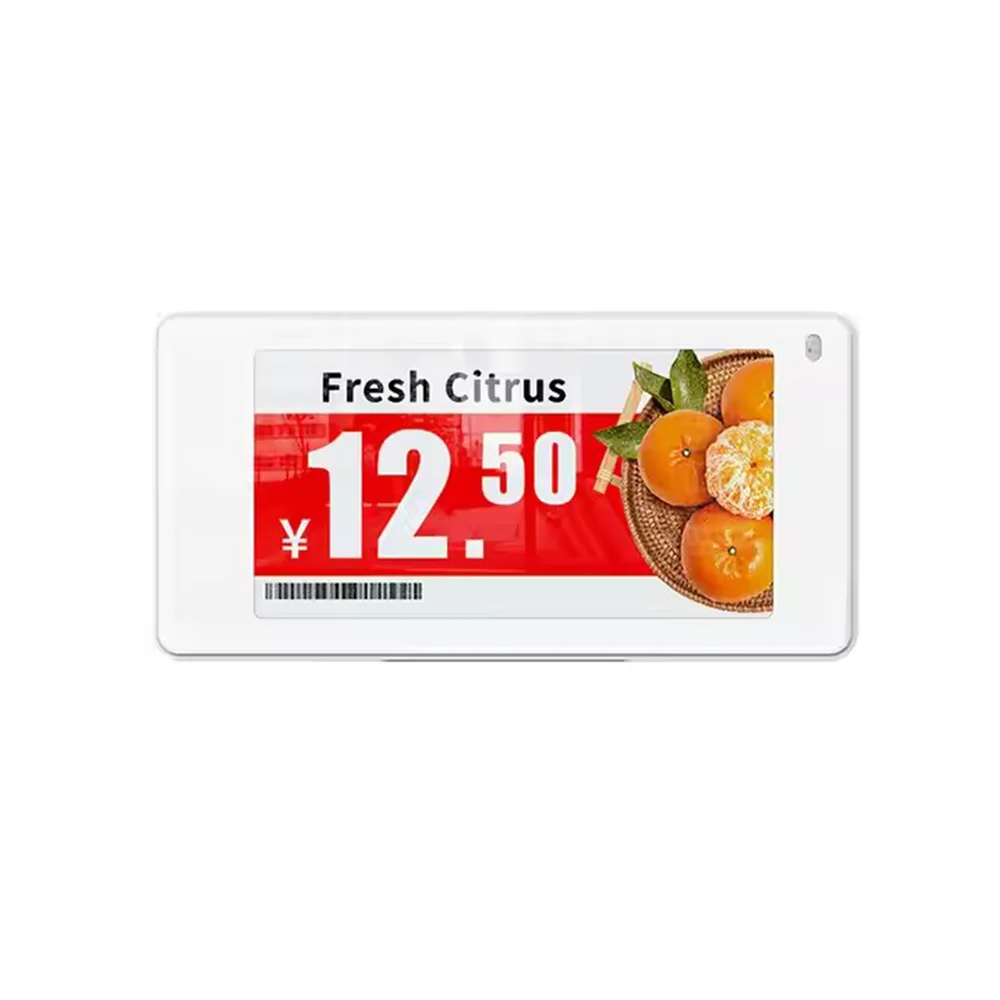
Electronic Shelf Labels are digital devices used in retail stores to display product prices and other information, syncing with the store's central system for real-time updates.
How do ESLs improve retail operations?
ESLs automate price changes, reducing labor costs, enhancing pricing accuracy, and freeing staff to focus on customer service and inventory optimization.
Can ESLs be integrated with a store's existing systems?
Yes, ESLs can be integrated with ERP, POS, and inventory systems to enable seamless data synchronization across all platforms.
What are the key benefits of using ESLs?
Key benefits include real-time price synchronization, reduced pricing errors, operational efficiency, and improved customer experience through accurate pricing.
 Hot News
2024-09-14
2024-11-18
2023-11-14
2023-04-12
2019-07-11
We specialize in advanced electronic retail solutions to streamline operations and smarten up the shopping experience.