EN
EN

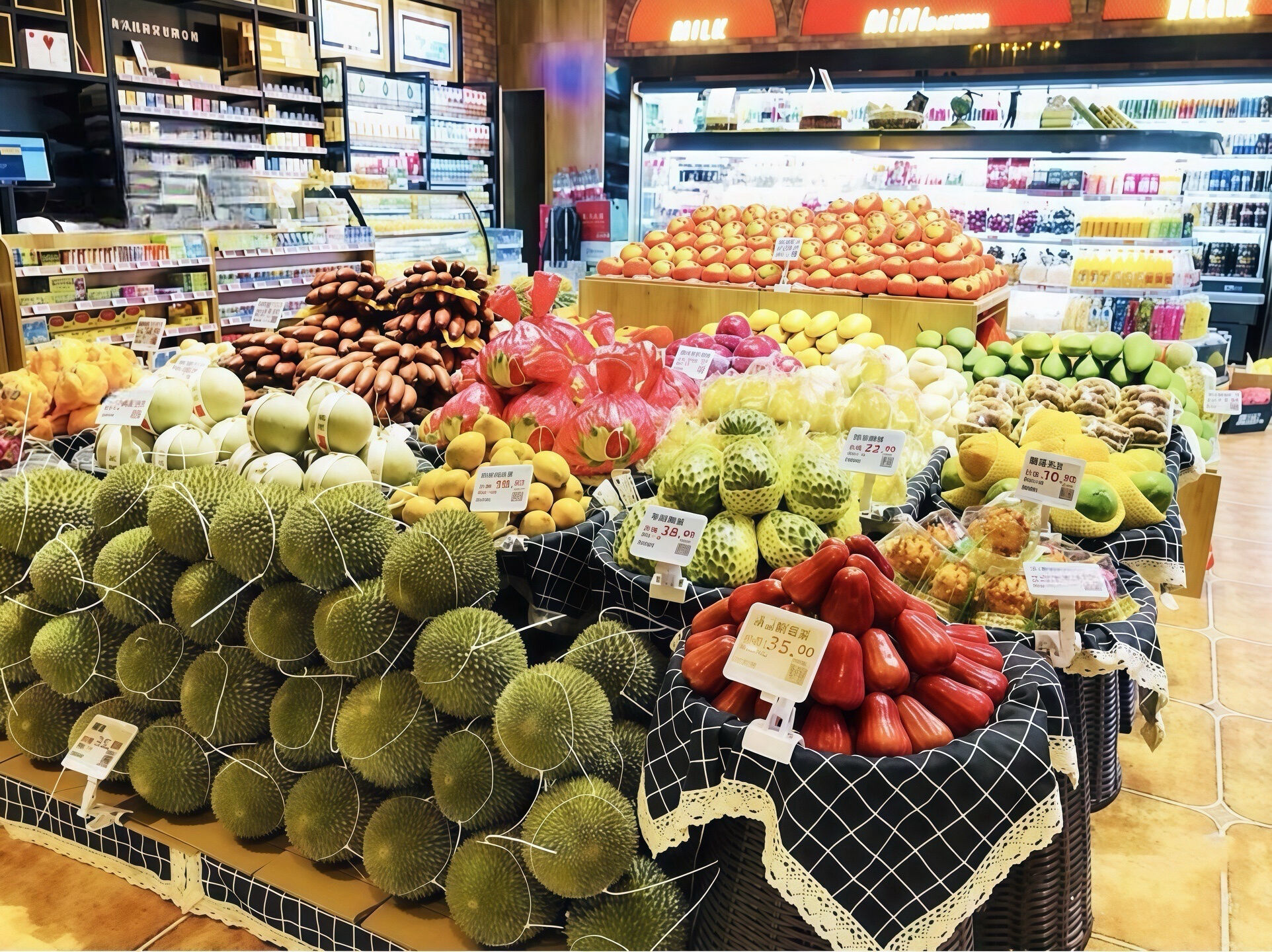
Modern supermarket operations face increasing pressure to optimize efficiency, reduce costs, and enhance customer experience in an increasingly competitive retail landscape. Traditional paper price tags have long been the standard for displaying product information, but they present numerous operational challenges including labor-intensive updates, pricing errors, and limited flexibility. Digital shelf labels represent a transformative technology that addresses these challenges while delivering significant operational benefits. These electronic display systems provide real-time price updates, improve accuracy, and enable dynamic pricing strategies that can revolutionize how supermarkets manage their inventory and customer interactions.
Digital shelf labels eliminate the time-consuming process of manually updating paper tags throughout the store. Traditional price changes require staff members to locate each product, remove old tags, and install new ones, often taking hours or even days to complete store-wide updates. With electronic shelf labels, price changes can be implemented instantly across all products simultaneously through centralized management systems. This automation reduces labor costs significantly while ensuring that promotional pricing and regular updates are executed with precision timing.
Store managers can schedule price changes in advance, allowing for overnight updates that take effect automatically when stores open. This capability proves particularly valuable during promotional periods, seasonal adjustments, or when responding to competitor pricing strategies. The centralized control system enables retailers to manage multiple store locations from a single interface, ensuring consistent pricing across their entire network while reducing the administrative burden on individual store staff.
The implementation of digital shelf labels allows supermarket staff to redirect their efforts from routine price maintenance to more valuable customer service activities. Employees previously assigned to tag replacement duties can focus on assisting customers, maintaining product displays, or managing inventory more effectively. This reallocation of human resources improves overall store productivity and enhances the shopping experience for customers who receive better service attention.
Studies indicate that large supermarkets can save hundreds of labor hours per month by automating price updates through electronic shelf label systems. These savings translate directly into reduced operational costs, allowing retailers to maintain competitive pricing while preserving profit margins. Additionally, the elimination of printing costs for paper tags, including materials, ink, and equipment maintenance, contributes to long-term cost reductions that compound over time.
Pricing accuracy represents a critical factor in customer satisfaction and regulatory compliance. Paper tags are prone to human error during installation, damage from handling, or delays in updating across all product locations. Digital shelf labels synchronize automatically with point-of-sale systems, ensuring that displayed prices always match checkout prices. This synchronization eliminates customer frustration caused by price discrepancies and reduces the need for manual price checks by cashiers or customer service representatives.
Real-time synchronization also prevents revenue loss from underpriced items or customer complaints about overcharging. When promotional prices end or inventory costs change, digital displays update immediately without the risk of outdated tags remaining in place. This accuracy builds customer trust and reduces the administrative overhead associated with resolving pricing disputes or processing refunds due to labeling errors.
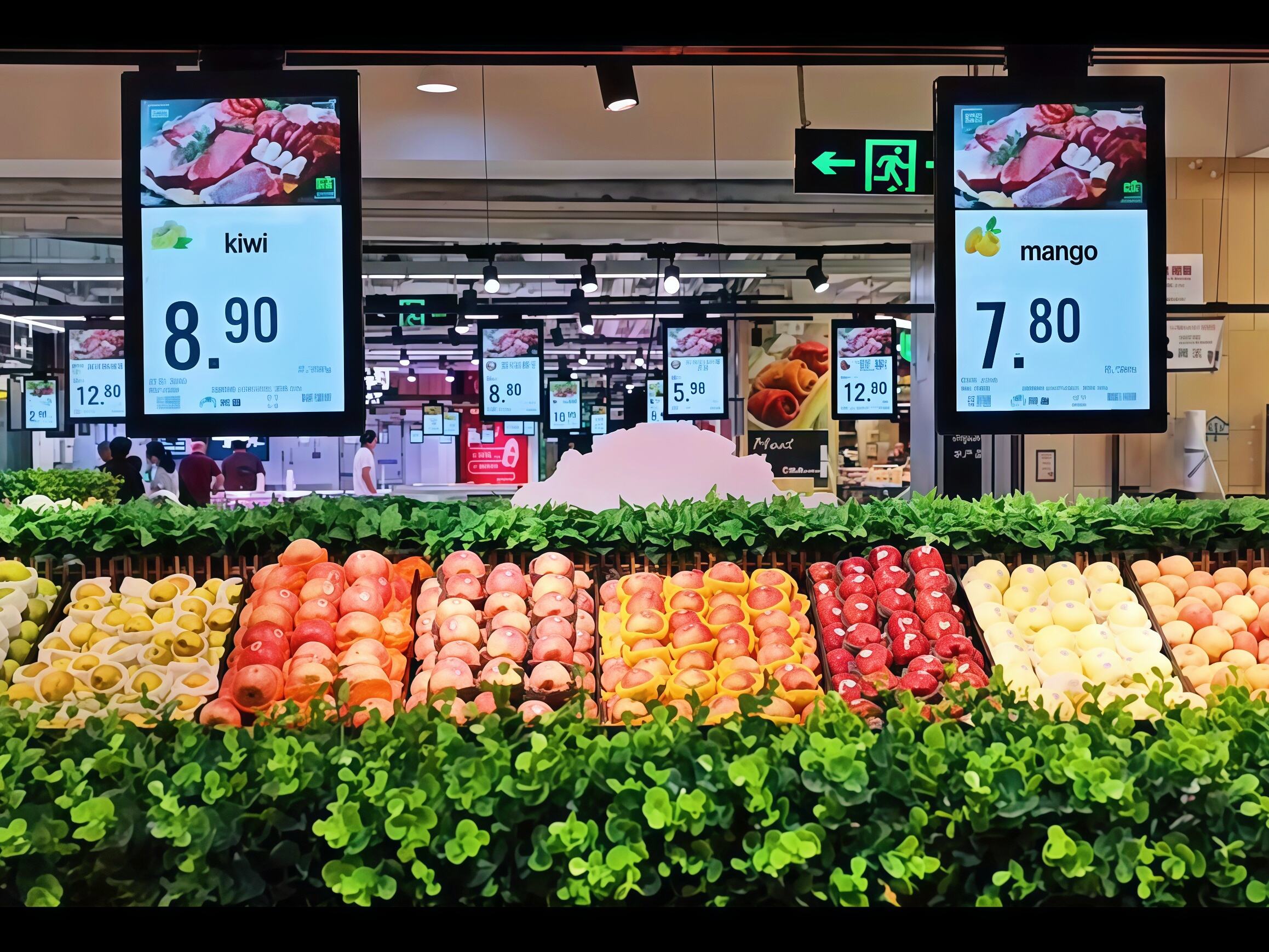
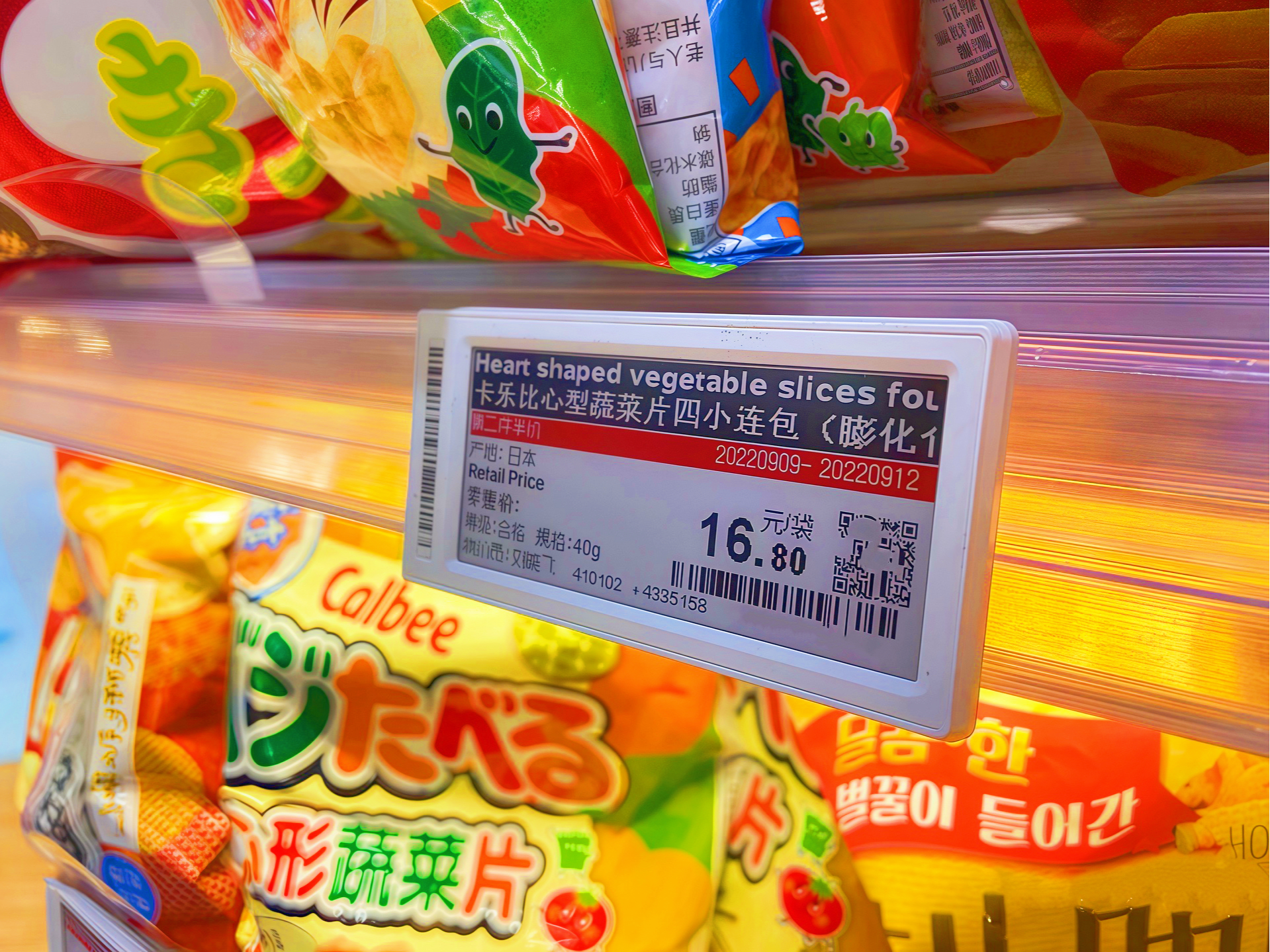
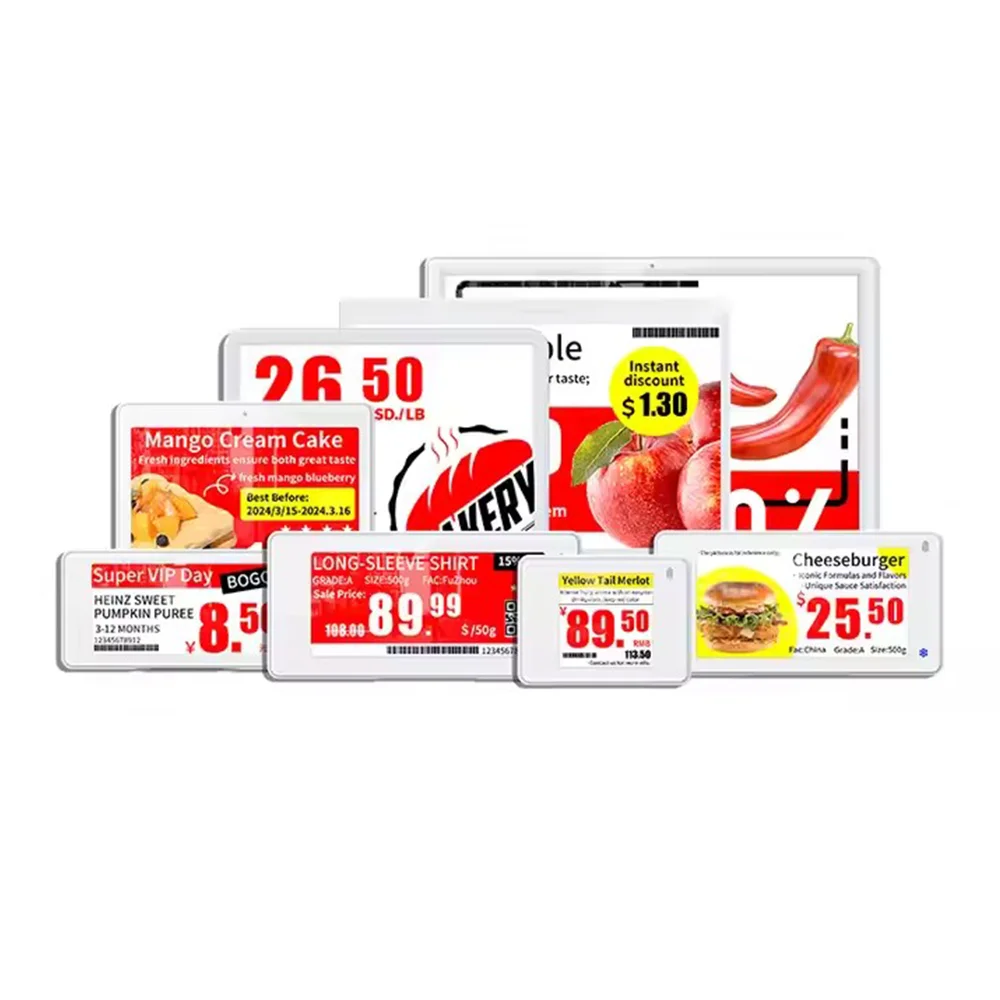
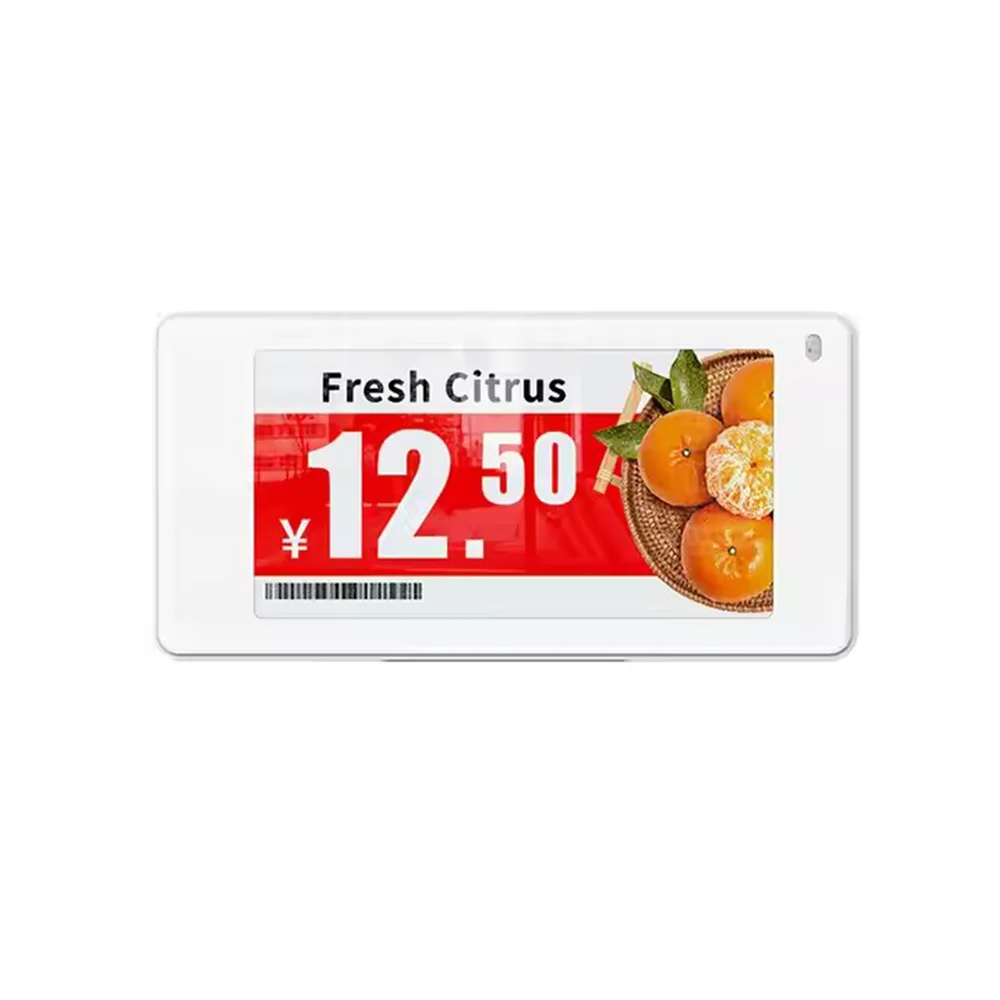
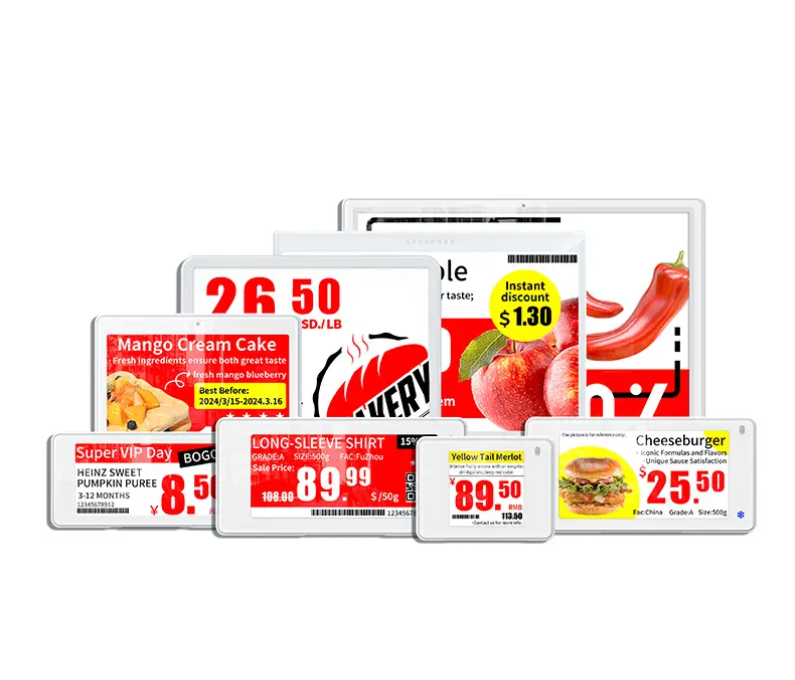
Beyond basic pricing, digital shelf labels can display comprehensive product information including nutritional data, origin details, promotional messages, and inventory status. This expanded information capability helps customers make informed purchasing decisions while reducing the need for staff assistance with product inquiries. QR codes or NFC technology integration allows customers to access additional product details through their mobile devices, creating an interactive shopping experience.
Multi-language support enables supermarkets in diverse communities to display information in multiple languages simultaneously, improving accessibility for all customers. The ability to highlight special offers, new arrivals, or limited-time promotions through dynamic displays attracts customer attention more effectively than static paper tags. These enhanced communication capabilities contribute to increased sales and improved customer engagement throughout the shopping experience.
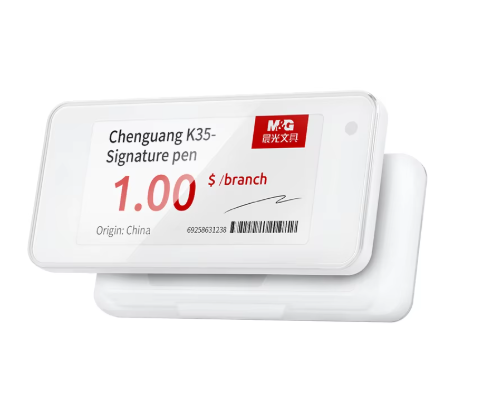
Digital shelf labels enable supermarkets to implement dynamic pricing strategies that respond to market conditions, competitor pricing, and demand fluctuations in real-time. Retailers can adjust prices based on time of day, inventory levels, or external factors such as weather conditions that affect product demand. This flexibility allows for optimal revenue generation while maintaining competitive positioning in the market.
Seasonal products can be repriced automatically as expiration dates approach, reducing waste while maximizing revenue from perishable inventory. Integration with inventory management systems enables automatic markdown scheduling for products nearing their sell-by dates, ensuring that items are sold rather than discarded. These intelligent pricing adjustments improve overall profitability while reducing food waste, supporting both financial and sustainability objectives.
Electronic shelf labels facilitate sophisticated promotional campaigns that would be impractical with traditional paper tags. Flash sales, time-limited offers, and customer-specific promotions can be implemented instantly without manual intervention. Digital displays can show countdown timers for limited-time offers, creating urgency that drives immediate purchasing decisions.
Cross-promotion capabilities allow related products to display coordinated messaging, such as recipe suggestions or complementary item recommendations. This coordinated approach to promotional displays increases basket size and encourages customers to purchase additional items they might not have otherwise considered. The ability to measure promotional effectiveness through integrated analytics helps retailers optimize their marketing strategies and improve return on promotional investments.
The transition from paper tags to digital shelf labels significantly reduces environmental impact through elimination of paper consumption, printing materials, and associated waste. Large supermarket chains can eliminate thousands of paper tags weekly, reducing their carbon footprint and supporting corporate sustainability initiatives. This environmental benefit resonates with environmentally conscious consumers and supports retailer commitments to sustainable business practices.
Digital shelf labels typically operate on low-power electronic paper displays that consume minimal energy while providing excellent visibility under various lighting conditions. The long battery life of these devices, often extending several years, minimizes maintenance requirements and reduces electronic waste compared to other digital display technologies. Solar-powered options further enhance the environmental benefits by eliminating battery replacement needs entirely.
Investment in digital shelf label infrastructure provides long-term scalability benefits that grow with business expansion. Additional labels can be integrated into existing networks without significant infrastructure changes, supporting store renovations, product line expansions, or new location openings. The modular nature of these systems allows for gradual implementation across different store sections or product categories based on budget constraints and operational priorities.
Future technological developments can be incorporated through software updates rather than hardware replacement, protecting the initial investment while enabling access to new features and capabilities. Integration possibilities with emerging technologies such as artificial intelligence, machine learning, and Internet of Things applications position retailers for continued innovation in customer experience and operational optimization.
Digital shelf labels integrate seamlessly with existing point-of-sale systems, inventory management software, and enterprise resource planning platforms. This connectivity ensures that price changes, promotional updates, and product information modifications flow automatically from central systems to shelf displays without manual intervention. The integration eliminates data entry errors and ensures consistency across all customer touchpoints within the store.
Advanced integration capabilities support complex pricing structures including member discounts, volume pricing, and tiered promotional offers. The system can display different prices for different customer categories while maintaining accuracy at checkout through integrated loyalty program connections. This sophisticated pricing management enhances customer satisfaction while supporting revenue optimization strategies.
Digital shelf label systems generate valuable data analytics regarding customer behavior, pricing effectiveness, and operational efficiency. Heat mapping technology can track customer attention to different products and price points, providing insights for optimal product placement and pricing strategies. This data collection enables evidence-based decision making for merchandising, pricing, and promotional planning.
Performance metrics including price change frequency, promotional response rates, and customer interaction patterns help retailers understand shopping behaviors and optimize store layouts accordingly. The ability to track which products receive the most customer attention through digital interactions supports inventory planning and product selection decisions that align with actual customer preferences and shopping patterns.
Digital shelf labels typically operate for 3 to 7 years on a single battery, depending on the display technology and update frequency. E-paper displays consume power only when updating content, which significantly extends battery life compared to traditional LCD displays. Some advanced models offer solar charging capabilities that can extend operational life indefinitely under appropriate lighting conditions.
Digital shelf labels continue displaying current information during power outages since they operate on individual batteries rather than store power. However, price updates cannot be transmitted during network disruptions until connectivity is restored. Most systems include backup communication protocols and automatic retry mechanisms to ensure updates are applied once normal operations resume.
Most supermarkets achieve return on investment within 18 to 36 months through labor cost savings, reduced printing expenses, and improved pricing accuracy. Larger stores with frequent price changes typically see faster returns, while smaller operations may require longer payback periods. The exact timeline depends on store size, product turnover rates, and current manual pricing processes.
Modern digital shelf label systems are designed to integrate with most popular retail management software platforms through standard API connections. Compatibility includes point-of-sale systems, inventory management software, and enterprise resource planning platforms. Professional installation typically includes system integration services to ensure seamless connectivity with existing technology infrastructure.
 Hot News
2024-09-14
2024-11-18
2023-11-14
2023-04-12
2019-07-11
We specialize in advanced electronic retail solutions to streamline operations and smarten up the shopping experience.