EN
EN

Modern retail environments face constant pressure to maintain accurate pricing across thousands of products while minimizing operational costs and human error. Traditional paper price tags and manual pricing updates have become increasingly inadequate for today's dynamic marketplace, where prices can change multiple times per day based on inventory levels, competitor analysis, and promotional campaigns. Electronic pricing solutions have emerged as a transformative technology that addresses these challenges by automating price management processes and significantly reducing the likelihood of pricing discrepancies that can impact both customer satisfaction and profit margins.
The implementation of digital price management systems represents a fundamental shift from reactive to proactive pricing strategies. These advanced systems eliminate the time-consuming process of manually updating price tags while ensuring consistency across all product categories. Retailers who have adopted these technologies report substantial improvements in operational efficiency, with some experiencing up to 90% reduction in pricing errors within the first year of implementation. The technology integrates seamlessly with existing point-of-sale systems and inventory management platforms, creating a unified ecosystem that responds instantly to pricing changes.
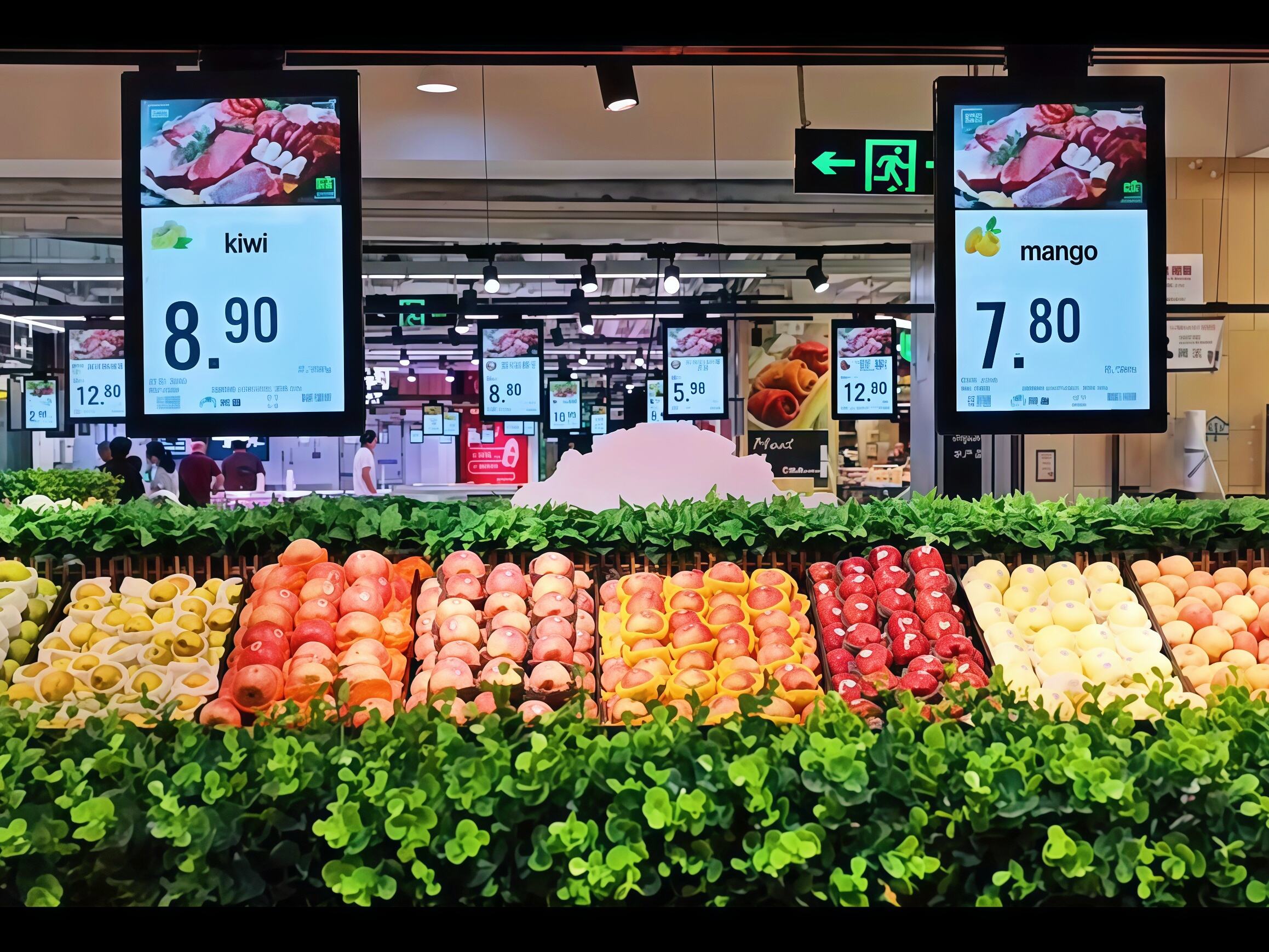
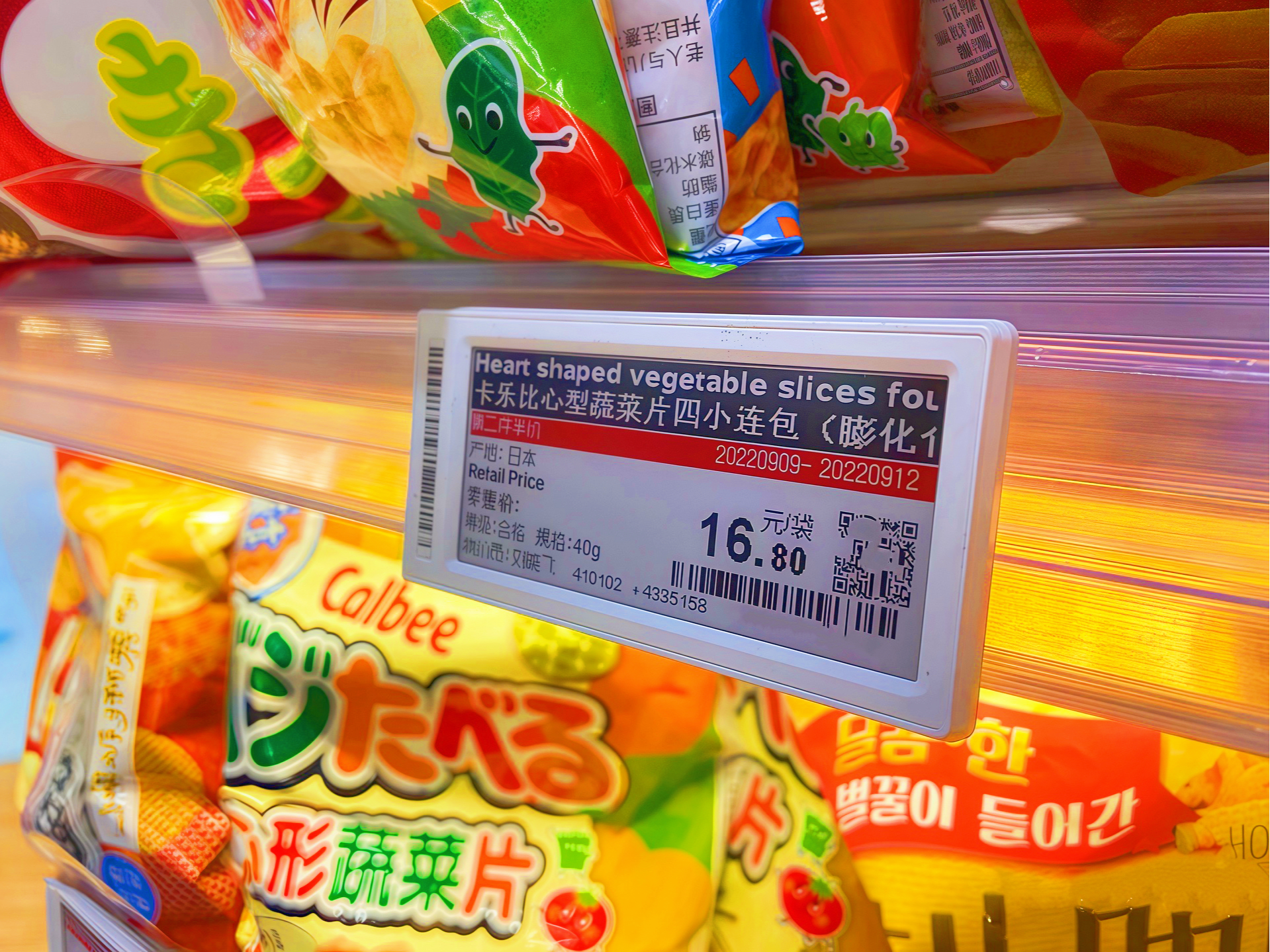
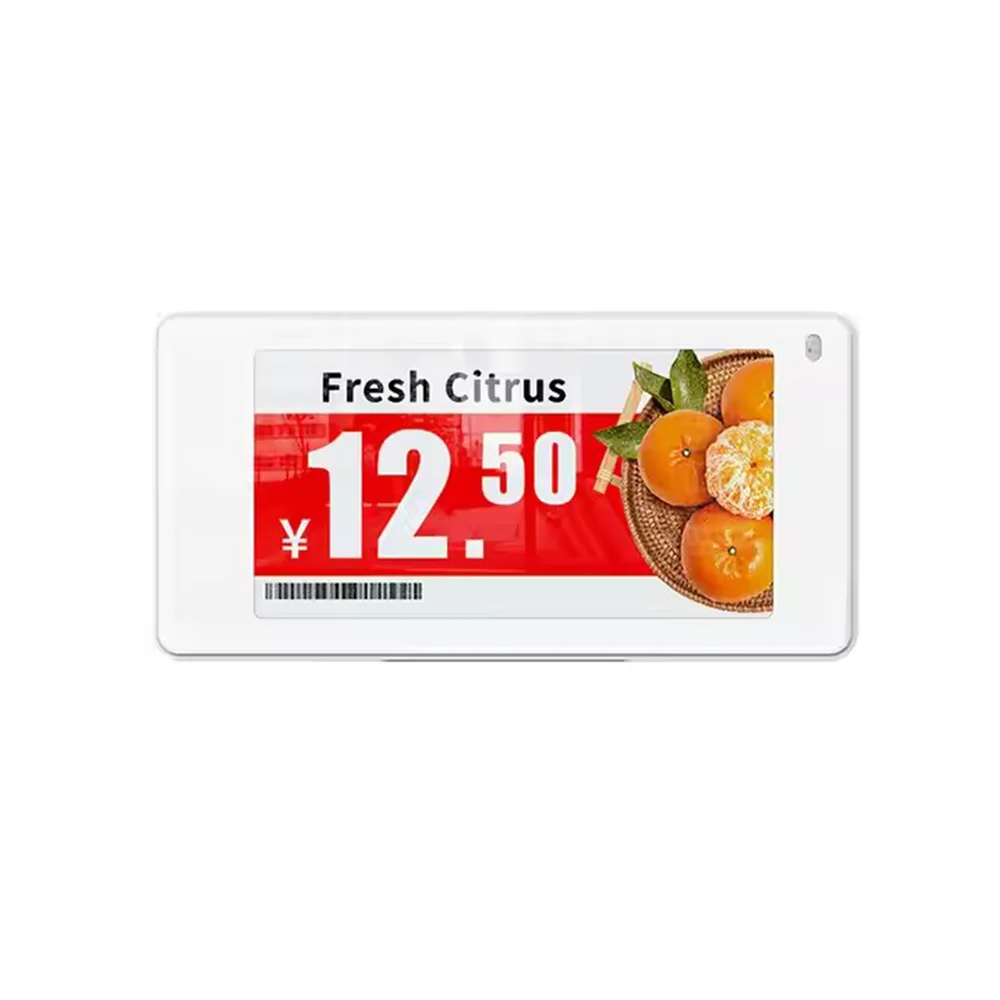
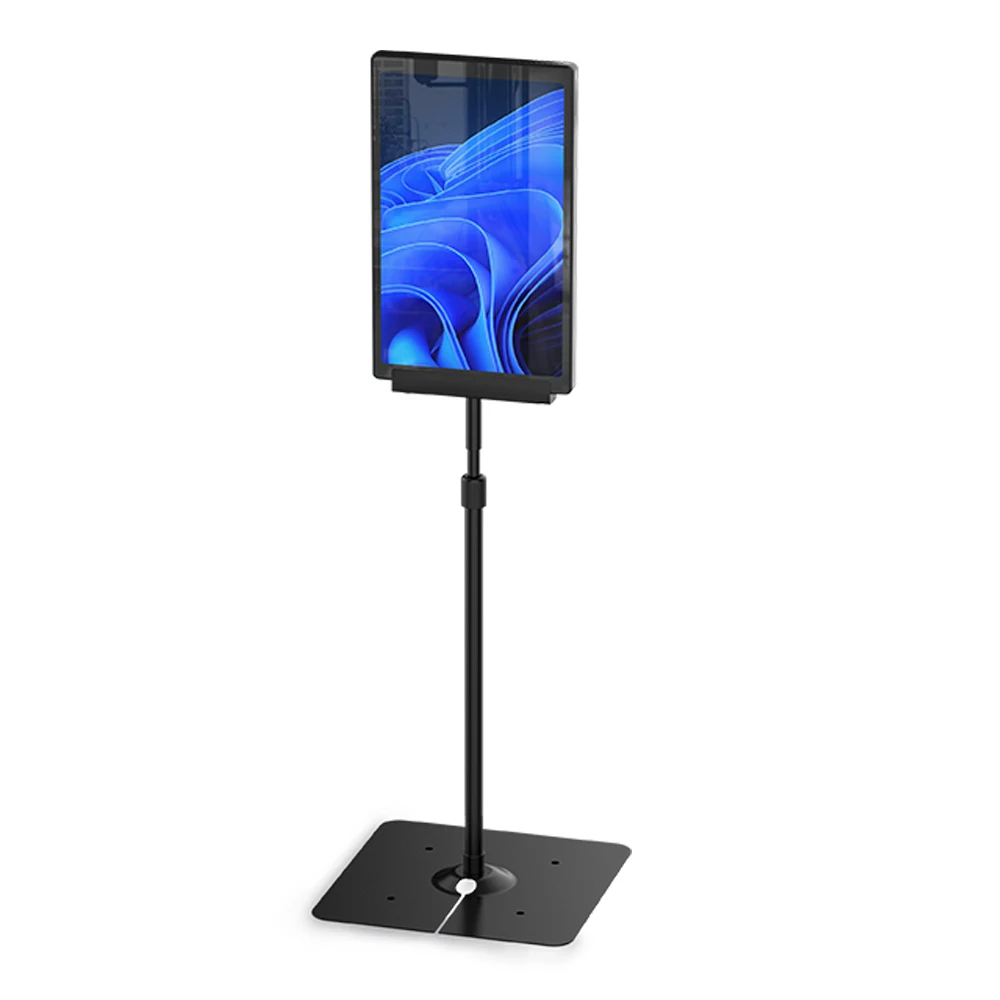
Electronic shelf labels represent the most visible component of comprehensive digital pricing systems, featuring high-resolution displays that can showcase product information, prices, and promotional messages with crystal-clear clarity. These devices utilize advanced e-paper or LCD technology that provides excellent readability under various lighting conditions while consuming minimal power. The wireless connectivity enables real-time updates across entire store networks, ensuring that price changes are reflected instantly on every relevant display throughout the retail environment.
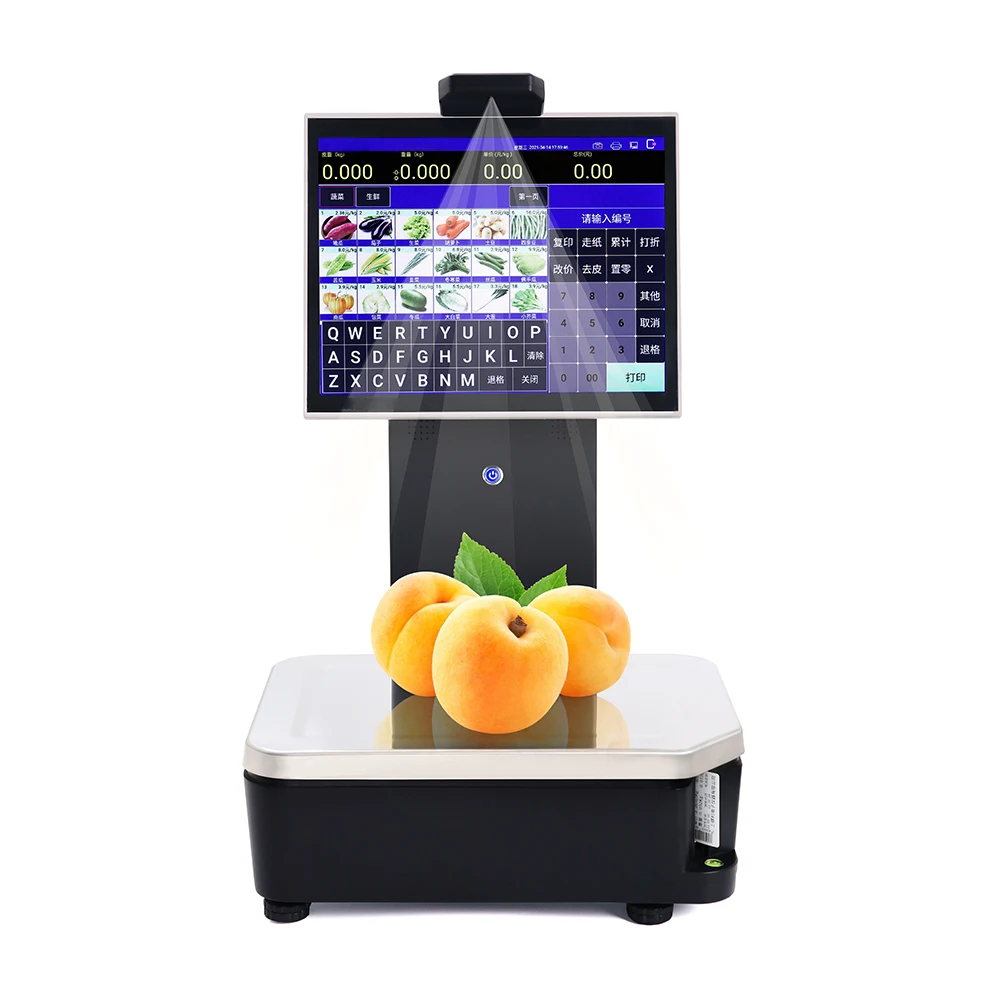
The backend infrastructure supporting these display systems includes sophisticated software platforms that manage pricing databases, coordinate with inventory systems, and provide analytics on pricing performance. These platforms often incorporate artificial intelligence algorithms that can suggest optimal pricing strategies based on historical data, market conditions, and competitive analysis. The integration capabilities extend to mobile applications that allow store managers to verify price accuracy and make adjustments directly from handheld devices.
Modern electronic pricing solutions rely on robust wireless communication protocols that ensure reliable data transmission between central management systems and individual display units. These systems typically employ low-power wide-area network technologies that can penetrate building structures and maintain connectivity even in challenging retail environments with metal shelving and electronic interference. The communication protocols include built-in error correction and acknowledgment systems that verify successful price updates.
The wireless infrastructure supports bidirectional communication, allowing display units to send status reports, battery levels, and confirmation signals back to the central management system. This capability enables proactive maintenance scheduling and ensures that any communication failures are immediately detected and addressed. Advanced systems can automatically retry failed updates and provide detailed logs of all pricing changes for audit purposes.
The elimination of manual price tag replacement represents one of the most significant advantages of electronic pricing solutions, as it removes the human element from routine pricing updates. Traditional pricing methods require employees to locate specific products, remove old tags, and install new ones, a process that is both time-consuming and prone to errors such as incorrect placement, wrong pricing information, or missed updates. Digital systems automatically synchronize pricing information across all connected displays within seconds of a change being implemented in the central database.
This automated synchronization extends beyond simple price updates to include promotional information, product specifications, and even QR codes that link to additional product details. The system can coordinate complex promotional campaigns that involve multiple price points, time-sensitive offers, and location-specific pricing strategies. Retailers can schedule price changes in advance, ensuring that promotional campaigns begin precisely at the intended time without requiring staff intervention.
Integration with inventory management systems enables electronic pricing solutions to automatically adjust prices based on stock levels, preventing situations where products are sold at incorrect prices due to outdated inventory information. This real-time connectivity ensures that clearance prices are applied immediately when items reach predetermined stock thresholds, and that out-of-stock products display appropriate messaging to customers. The system can also implement dynamic pricing strategies that adjust prices based on demand patterns and inventory turnover rates.
The inventory integration capabilities extend to product lifecycle management, automatically transitioning items through different pricing phases as they move from new releases to regular stock to clearance items. This automation eliminates the delays and inconsistencies that often occur with manual inventory tracking and pricing adjustments. Advanced systems can even predict when products will require price adjustments based on historical sales data and seasonal trends.
Centralized management platforms provide comprehensive oversight of pricing across multiple locations, ensuring consistency in pricing strategies and promotional campaigns while maintaining the flexibility to implement location-specific adjustments when necessary. These platforms offer detailed audit trails that track every pricing change, including timestamps, user identification, and approval workflows that ensure appropriate authorization for price modifications. The centralized approach eliminates discrepancies that can occur when individual stores manage their own pricing independently.
The management interface provides powerful analytics tools that can identify pricing anomalies, track the performance of promotional campaigns, and generate reports on pricing accuracy across different product categories and time periods. These insights enable retailers to continuously refine their pricing strategies and identify areas where additional training or process improvements may be needed. The system can also automatically flag unusual price changes that may require management review before implementation.
Electronic pricing solutions incorporate sophisticated compliance monitoring features that ensure adherence to regulatory requirements, industry standards, and internal pricing policies. These systems can automatically verify that price changes comply with minimum advertised price agreements, anti-competitive pricing regulations, and consumer protection laws. The monitoring capabilities extend to promotional pricing, ensuring that sale prices meet legal requirements for duration, discount percentages, and advertising accuracy.
The compliance features include automated alerts that notify management when pricing actions may conflict with established policies or regulatory requirements. This proactive approach prevents compliance violations before they occur, reducing the risk of regulatory penalties and customer complaints. The system maintains detailed documentation of all pricing decisions and their rationale, providing the necessary records for regulatory audits and internal compliance reviews.
The implementation of electronic pricing solutions typically results in substantial labor cost savings by eliminating the need for employees to manually update price tags throughout the store. Traditional pricing methods require significant staff time for tasks such as printing new tags, locating products, removing old pricing, and installing updated information. Studies indicate that retailers can reduce pricing-related labor costs by 60-80% through the adoption of digital pricing technologies, with larger stores experiencing even greater proportional savings.
The labor savings extend beyond direct pricing tasks to include reduced time spent on price verification, customer inquiries about pricing discrepancies, and management oversight of pricing accuracy. Employees can redirect their efforts toward higher-value activities such as customer service, inventory management, and sales support. The efficiency gains are particularly pronounced during high-volume promotional periods when traditional pricing methods would require extensive overtime or additional temporary staff.
Pricing errors can result in significant financial losses through underpriced merchandise, customer disputes, regulatory penalties, and damage to brand reputation. Electronic pricing solutions virtually eliminate these error-related costs by ensuring that displayed prices always match the point-of-sale system and that updates are implemented consistently across all locations. The elimination of pricing discrepancies reduces customer complaints and improves the overall shopping experience, leading to increased customer satisfaction and loyalty.
The financial impact of error elimination extends to improved inventory management, as accurate pricing enables more precise demand forecasting and optimal stock level maintenance. Retailers report reduced instances of unexpected inventory write-offs due to pricing errors and improved profit margins through more accurate cost tracking and pricing strategy implementation. The system's ability to prevent both overpricing and underpricing errors provides comprehensive protection against revenue loss.
Successful implementation of electronic pricing solutions requires careful planning and a systematic approach that minimizes disruption to ongoing operations while maximizing the benefits of the new technology. Most retailers benefit from a phased deployment strategy that begins with high-priority product categories or specific store sections, allowing staff to become familiar with the system before expanding to the entire retail environment. This approach enables organizations to identify and address any operational challenges early in the process.
The phased approach also allows for fine-tuning of integration parameters, communication protocols, and user interfaces based on real-world experience and feedback from store personnel. Each phase should include comprehensive testing of price update accuracy, system reliability, and user training effectiveness. The gradual expansion provides opportunities to refine procedures and optimize performance before committing to full-scale deployment across all locations and product categories.
Effective staff training programs are essential for maximizing the benefits of electronic pricing solutions and ensuring smooth transition from traditional pricing methods. Training should cover both technical aspects of the system operation and strategic elements such as how the technology supports broader business objectives. Hands-on practice sessions help employees become comfortable with new workflows and build confidence in using the digital tools effectively.
Change management initiatives should address potential concerns about technology adoption and emphasize how electronic pricing solutions enhance rather than replace human capabilities. Staff members need to understand how their roles will evolve to focus on higher-value activities while the system handles routine pricing tasks. Ongoing support and refresher training ensure that employees remain proficient with system updates and new features as they are introduced.
Electronic pricing solutions provide the greatest value in retail environments with frequent price changes, large product assortments, or multiple locations requiring pricing consistency. Grocery stores, electronics retailers, fashion outlets, and pharmacies typically see substantial benefits due to their dynamic pricing needs and high error costs. However, any retail operation that struggles with pricing accuracy, labor costs, or promotional campaign management can benefit from digital pricing technology.
Most retailers experience positive return on investment within 12-24 months of implementing electronic pricing solutions, with larger operations often seeing benefits within the first year. The ROI timeline depends on factors such as store size, frequency of price changes, current labor costs, and the extent of pricing errors being addressed. Retailers with high-volume promotional activities or multiple locations typically achieve faster payback periods due to greater operational efficiencies.
Modern electronic pricing solutions are designed with enterprise-grade reliability features including redundant communication paths, battery backup systems, and automatic error detection capabilities. The systems undergo rigorous testing and certification processes to ensure consistent performance in retail environments. Most solutions offer 99%+ uptime reliability and include comprehensive support services to address any technical issues that may arise.
Electronic pricing solutions are designed with extensive integration capabilities that support connections with most major point-of-sale systems, inventory management platforms, and enterprise resource planning software. Standard APIs and communication protocols enable seamless data exchange between systems, while professional implementation services ensure proper configuration and testing. The integration process typically involves minimal disruption to existing operations and can often be completed during off-peak hours.
 Hot News
2024-09-14
2024-11-18
2023-11-14
2023-04-12
2019-07-11
We specialize in advanced electronic retail solutions to streamline operations and smarten up the shopping experience.