EN
EN

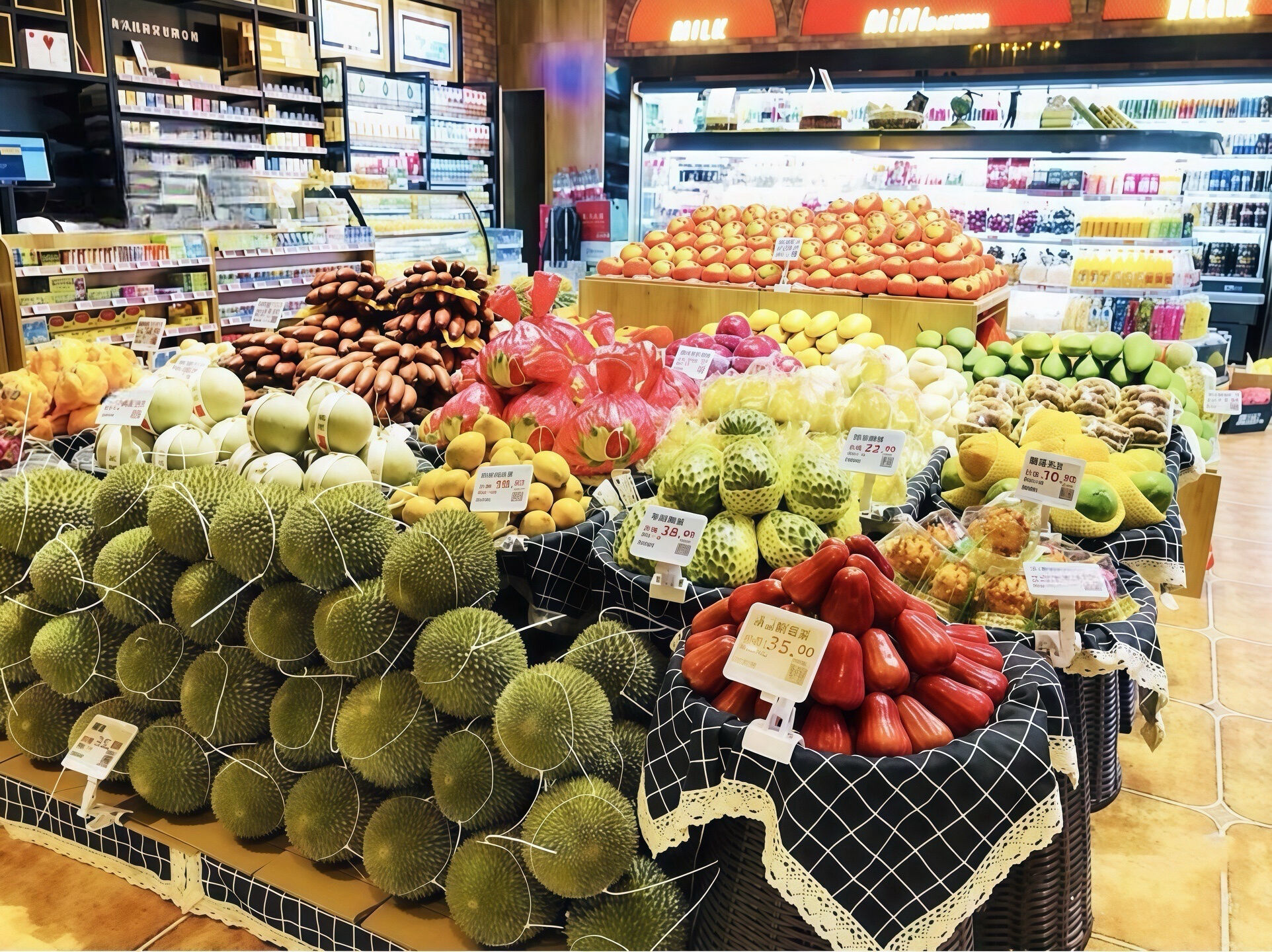
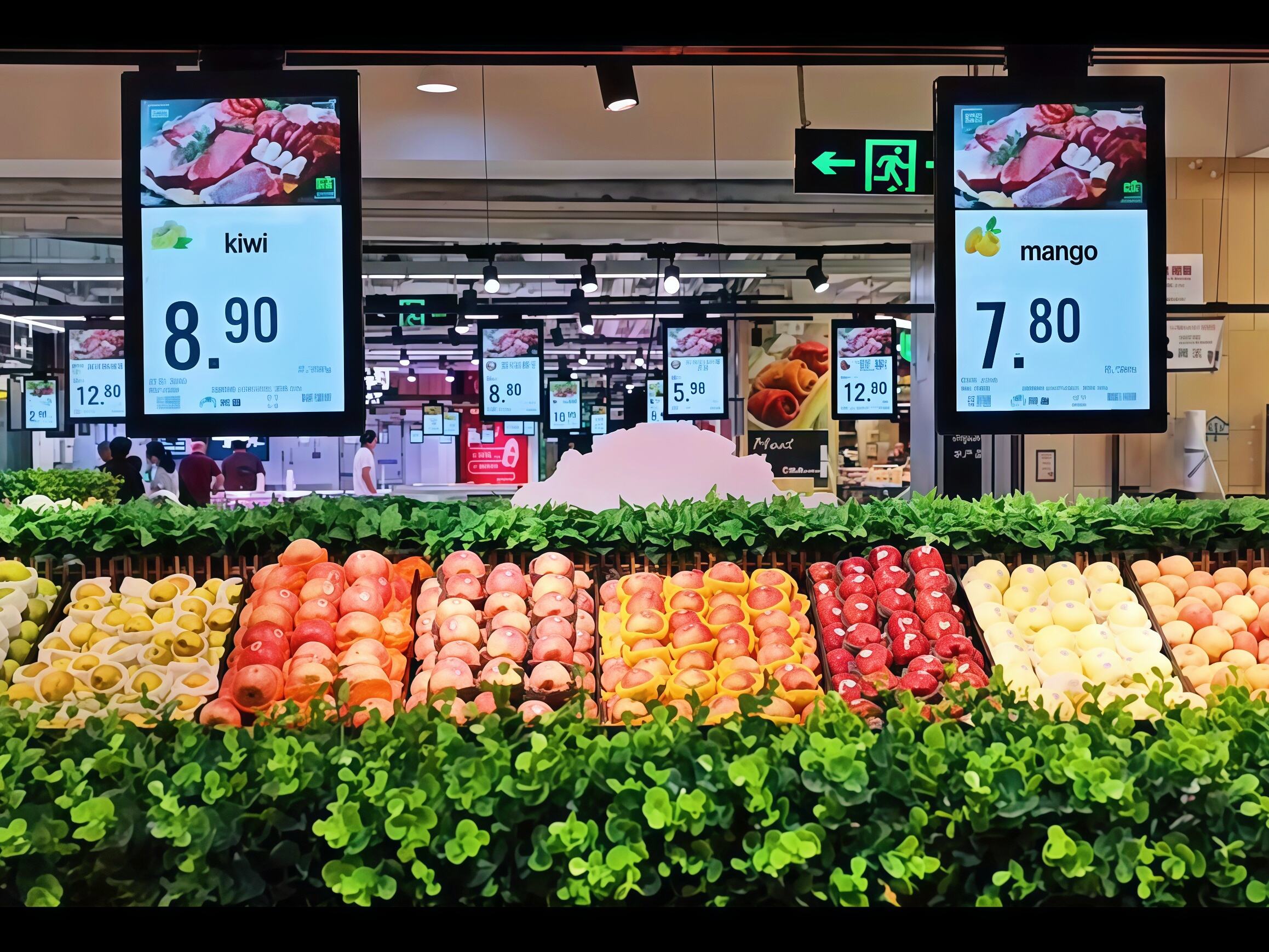
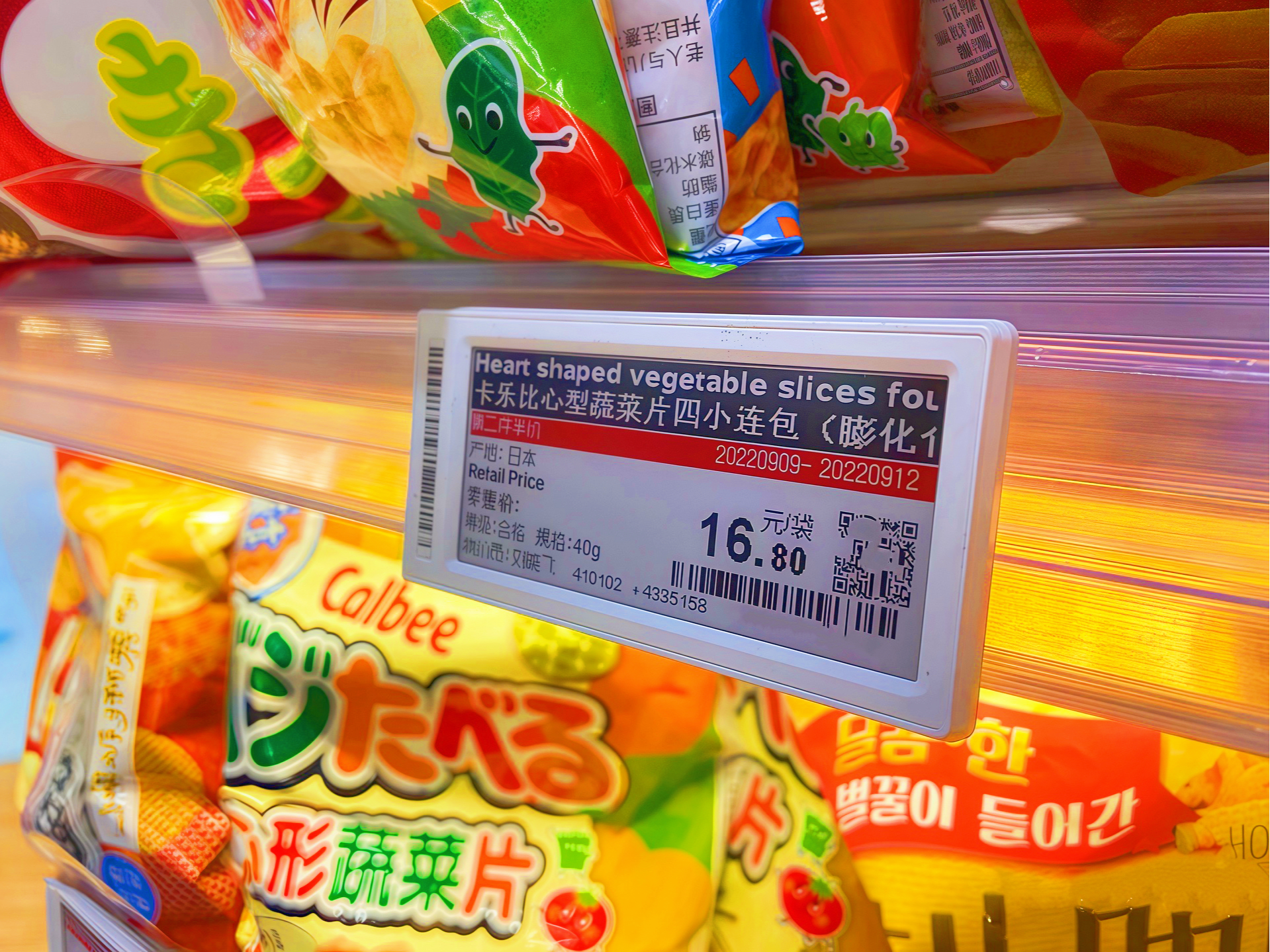
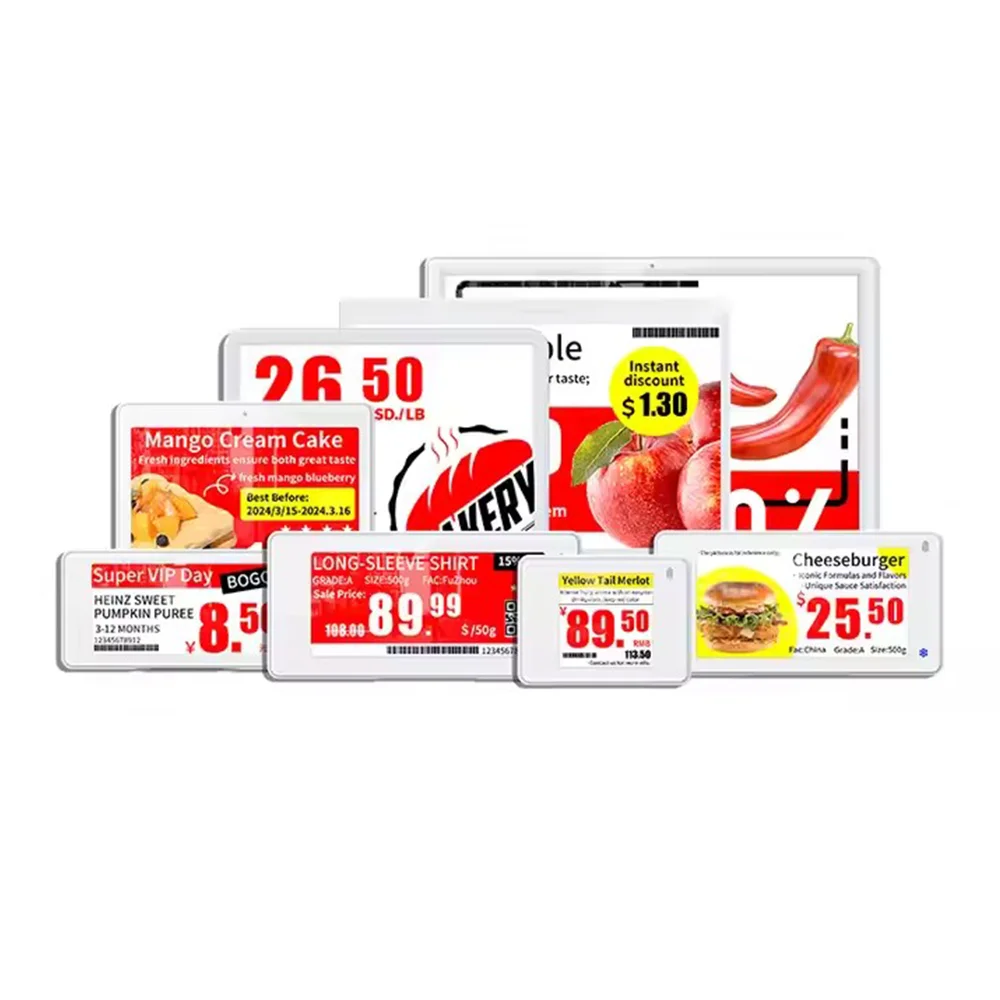
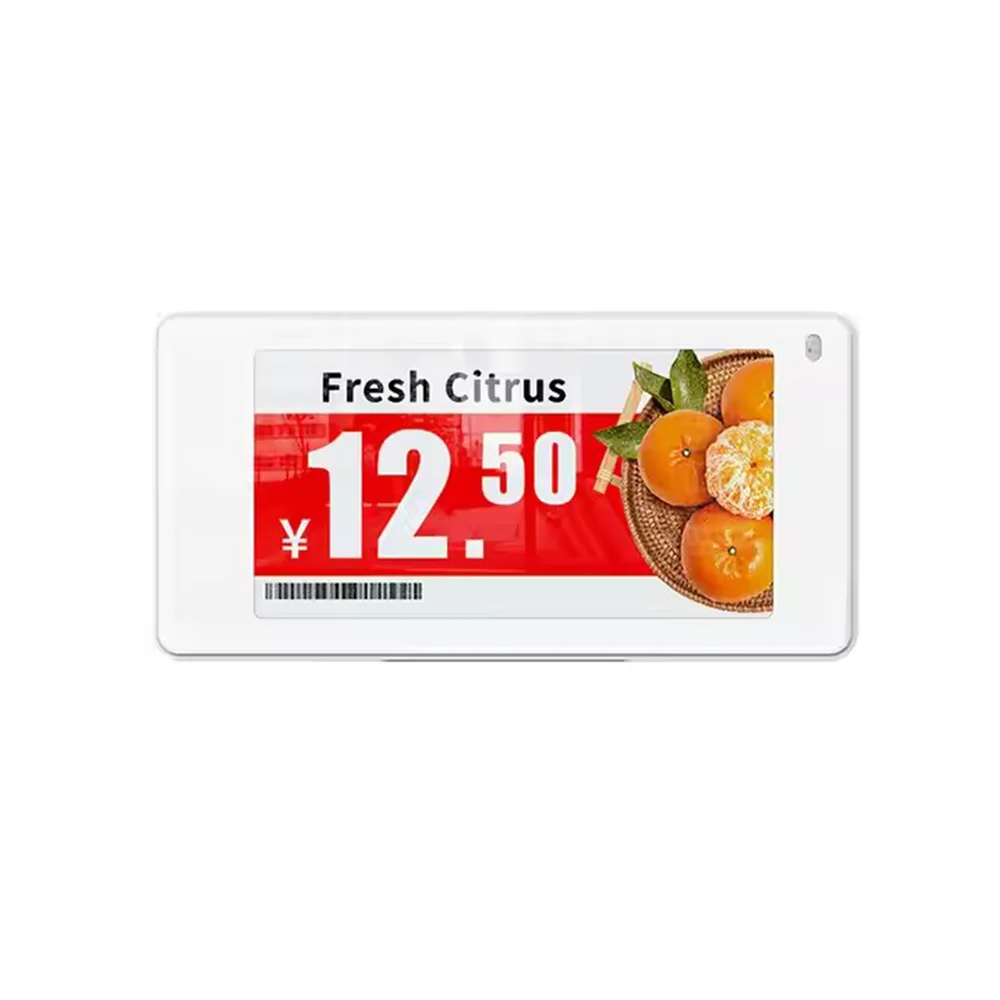
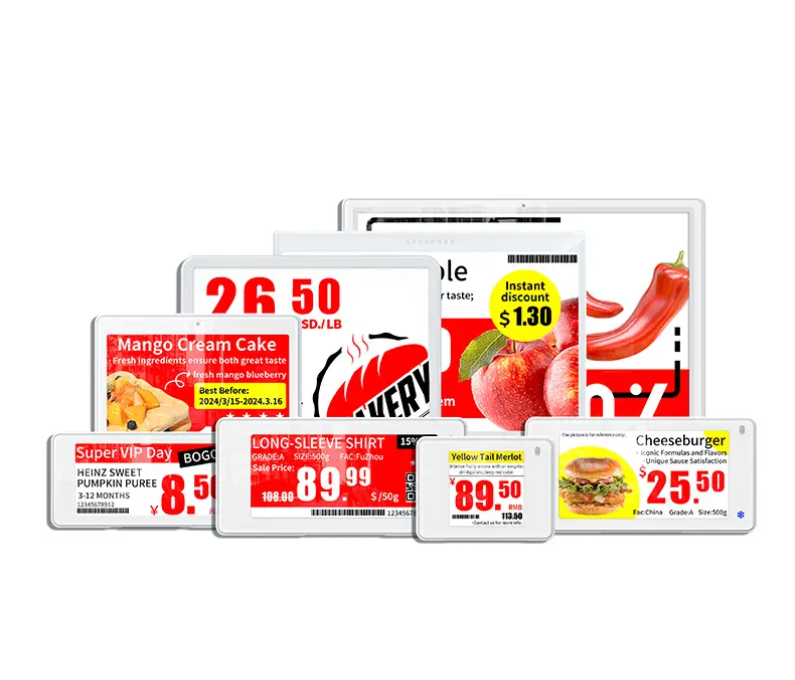
Electronic Shelf Labels (ESLs) are battery-powered digital displays that replace traditional paper price tags. Using energy-efficient e-paper technology, these devices wirelessly connect to centralized systems to dynamically show pricing, promotions, and product details. Unlike static labels, ESLs enable zero-power image retention—displays remain visible without continuous energy consumption.
When retailers make price adjustments through their POS or ERP systems, those changes automatically show up on every connected ESL throughout the store. The magic happens thanks to a central gateway that sends out information using either RF signals or Wi-Fi connections. Within just a few seconds, all those digital shelf tags get updated simultaneously. No more running around replacing old stickers manually! While it doesn't guarantee perfect synchronization at all times, most stores find that their displayed prices match what registers charge customers pretty consistently these days.
A functional ESL infrastructure requires three layers working in unison:
| Layer | Components | Role |
|---|---|---|
| Client | ESL units with e-paper screens | Display real-time product information |
| Access | Wireless gateways & routers | Transmit update signals to ESLs |
| Network | Central management software | Orchestrate store-wide synchronization |
As highlighted in the 2024 Retail Automation Report, this three-tier architecture enables simultaneous updates across 10,000+ labels while maintaining <0.1% error rates—a 92% improvement over manual methods.
Electronic Shelf Labels or ESLs let stores change product prices instantly across their entire inventory using central software systems. Imagine what used to take retail staff 40 to 60 hours per week just to update all those paper price tags now happening in seconds thanks to this tech (McKinsey found similar stats in 2023). When shelves automatically sync with website prices and checkout registers, customers don't see discrepancies anymore. Fewer arguments at the register plus better adherence to local pricing laws makes these digital labels worth the investment for most modern retailers.
When stores manually adjust prices, mistakes happen all the time. Retailers lose around $740,000 each year on average because of wrong prices and getting hit with compliance penalties according to Ponemon's research from last year. Electronic shelf label systems handle price changes automatically, which cuts down on the problems caused by people typing numbers wrong or printing bad labels. Take one major pharmacy chain for instance they slashed their pricing errors by nearly 98% after implementing these digital price tags. That kind of success rate really shows why these systems work so well in busy retail settings where hundreds of items need constant price updates throughout the day.
Linking ESLs with POS systems creates a closed-loop feedback mechanism. Sales data from checkout terminals automatically triggers price adjustments based on inventory levels, demand patterns, or competitor pricing. Retailers using AI-driven dynamic pricing models report 10–15% margin improvements by aligning shelf prices with real-time market conditions.
A 250-store grocery retailer reduced price update labor from 50 hours weekly to 5 hours after deploying ESLs. The system’s automated audit trails also resolved 100% of regulatory pricing audits within 30 minutes—a process previously taking three days. This efficiency gain translated to $2.1M annual savings in labor and compliance costs.
Electronic shelf labels take care of those annoying manual price tag updates by syncing automatically with central pricing software across all store displays. What used to take staff hours of work now happens in just seconds when prices need changing across an entire store. Retailers who switched to these digital labels saw their pricing errors drop by almost 98%, which is pretty amazing considering how often prices change. Plus they saved around 73% on labor costs that would otherwise go into manually updating tags throughout the day. Stores are really starting to catch on to this technology as it makes managing prices so much easier and less error prone.
When stores get rid of those tedious jobs such as printing price tags and doing endless shelf checks, employees actually gain back around 12 to maybe even 18 hours each week for work that really matters. Instead of staring at spreadsheets all day, staff members spend time making sure shelves are stocked right, helping customers find what they need, and setting up eye catching displays that catch peoples' attention. The numbers tell a story too. According to several retail chains across different regions, stores saw their cross selling efforts jump by roughly 31 percent once workers started concentrating more on talking to shoppers face to face rather than just managing stock behind the scenes.
While ESL deployments require an initial investment of $1.50–$4.00 per label, businesses achieve breakeven within 14–26 months through:
This cost-benefit ratio makes ESLs indispensable for multi-location retailers scaling operational consistency.
ESLs let stores change prices on thousands of products almost instantly, which opens up possibilities for things like raising prices when demand spikes or running quick sales to clear excess stock. The ability to make these changes on the fly gives companies an edge in unpredictable markets, all while keeping prices accurate most of the time. According to Retail Tech Insights from last year, stores using electronic labels maintain price accuracy over 99% of the time, and they can update prices 40% faster than traditional methods. That kind of responsiveness makes a big difference in today's fast moving retail landscape.
By integrating with inventory management systems, ESLs automatically trigger price changes for perishable goods nearing expiration or high-demand seasonal items. A European grocery chain reduced food waste by 18% using this approach, dynamically discounting products based on shelf life and stock levels.
A Midwest electronics chain implemented ESL-powered promotional cycles synchronized with local events and competitor activity. This strategy delivered:
Machine learning algorithms now process POS data, weather patterns, and competitor pricing through ESL systems to recommend price changes. These AI models achieve 92% predictive accuracy in forecasting optimal prices, enabling one apparel retailer to cut clearance cycles by 34% while increasing full-price sell-through rates (Dynamic Pricing Quarterly 2023).
Electronic shelf labels help get rid of those annoying price mismatches because they keep shelf prices updated in real time. According to some research from last year, around three out of four shoppers start doubting brands when they find different prices between what's on the shelf and what shows up online. These ESL systems connect automatically to main databases so customers always see correct deals and regular prices without anyone having to change them manually. This becomes super important during those sudden sale events or when stock levels suddenly drop or rise throughout the day.
Stores that implement electronic shelf labels see around 98% consistent pricing across their websites and brick-and-mortar locations, while traditional manual methods only hit about 63% according to Genysys research. When prices match everywhere customers shop, it cuts down on those frustrating moments where someone adds an item to their cart online only to find out later it's cheaper somewhere else. Plus, this kind of pricing alignment works really well with modern shopping experiences where people switch between devices and platforms all the time. The stats back this up too – businesses report keeping roughly 34% more customers long term when they get this right. With cloud based ESL software handling automatic price updates, retailers can keep everything in sync even during sales events or when adjusting prices due to supply chain issues.
The latest electronic shelf labels now come with built-in NFC tags and QR codes that let customers scan for where products come from, check their loyalty rewards, or get special app deals right there at the shelf. Stores that have tried these interactive labels see around 22 percent more customer interaction with tagged items simply because the screens change based on what people need to know when making purchases. Some grocery chains in Europe are already experimenting with smart pricing systems connected to these ESLs. One major supermarket chain saw nearly 19% boost in extra sales after implementing targeted discounts for different levels of their loyalty program members.
ESLs are battery-powered digital displays that use e-paper technology to dynamically show pricing, promotions, and product details, replacing traditional paper price tags.
ESLs connect to centralized systems via RF signals or Wi-Fi, allowing real-time updates whenever retailers make price adjustments through POS or ERP systems.
ESLs enhance price accuracy, reduce labor costs related to manual updates, eliminate pricing errors, and improve overall store efficiency.
Price updates occur within seconds across an entire store, significantly reducing the time and effort required compared to manual methods.
ESLs ensure that prices remain consistent between online platforms and physical stores, reducing customer frustration and increasing long-term customer retention.
 Hot News
2024-09-14
2024-11-18
2023-11-14
2023-04-12
2019-07-11
We specialize in advanced electronic retail solutions to streamline operations and smarten up the shopping experience.