EN
EN

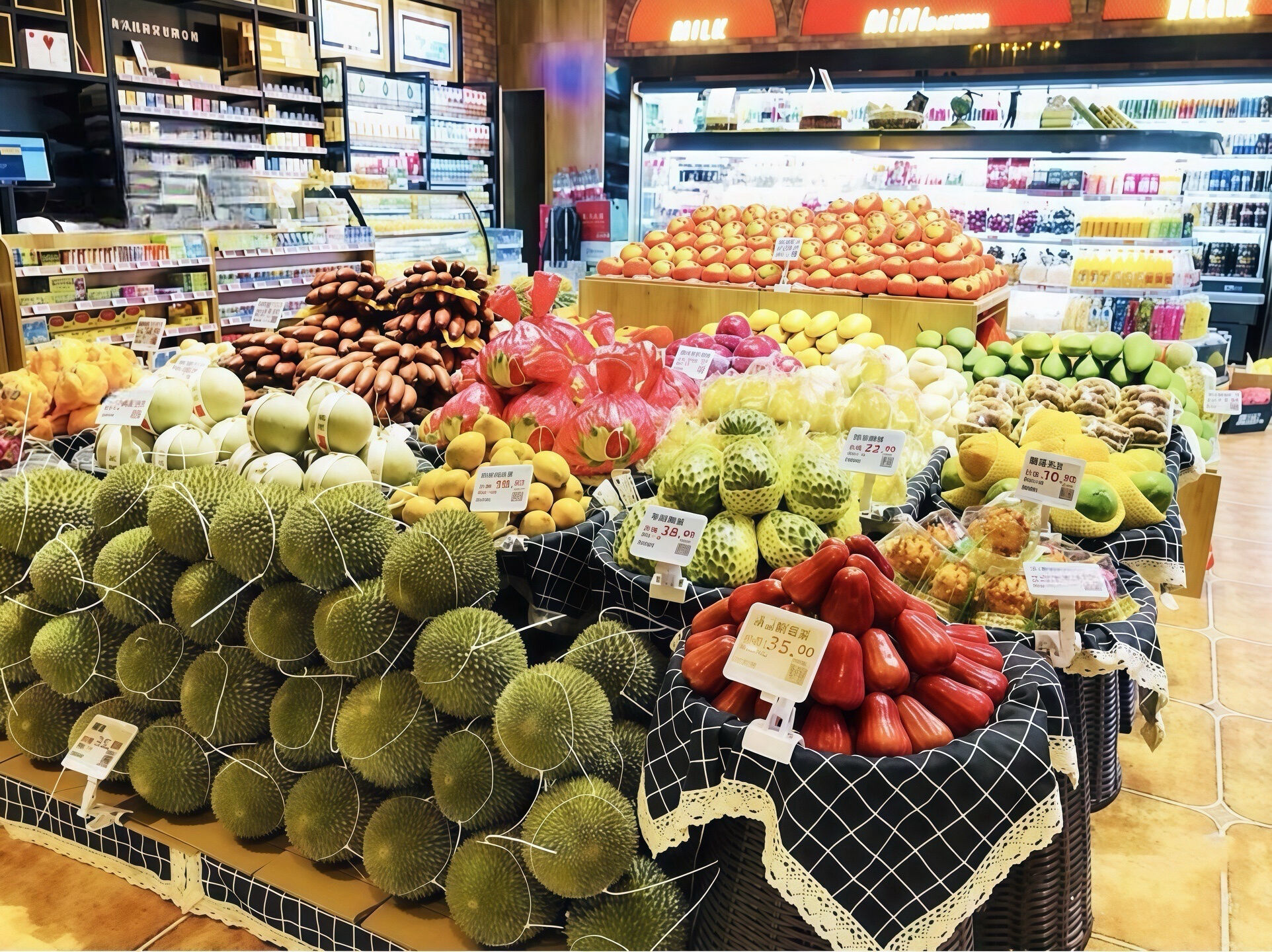
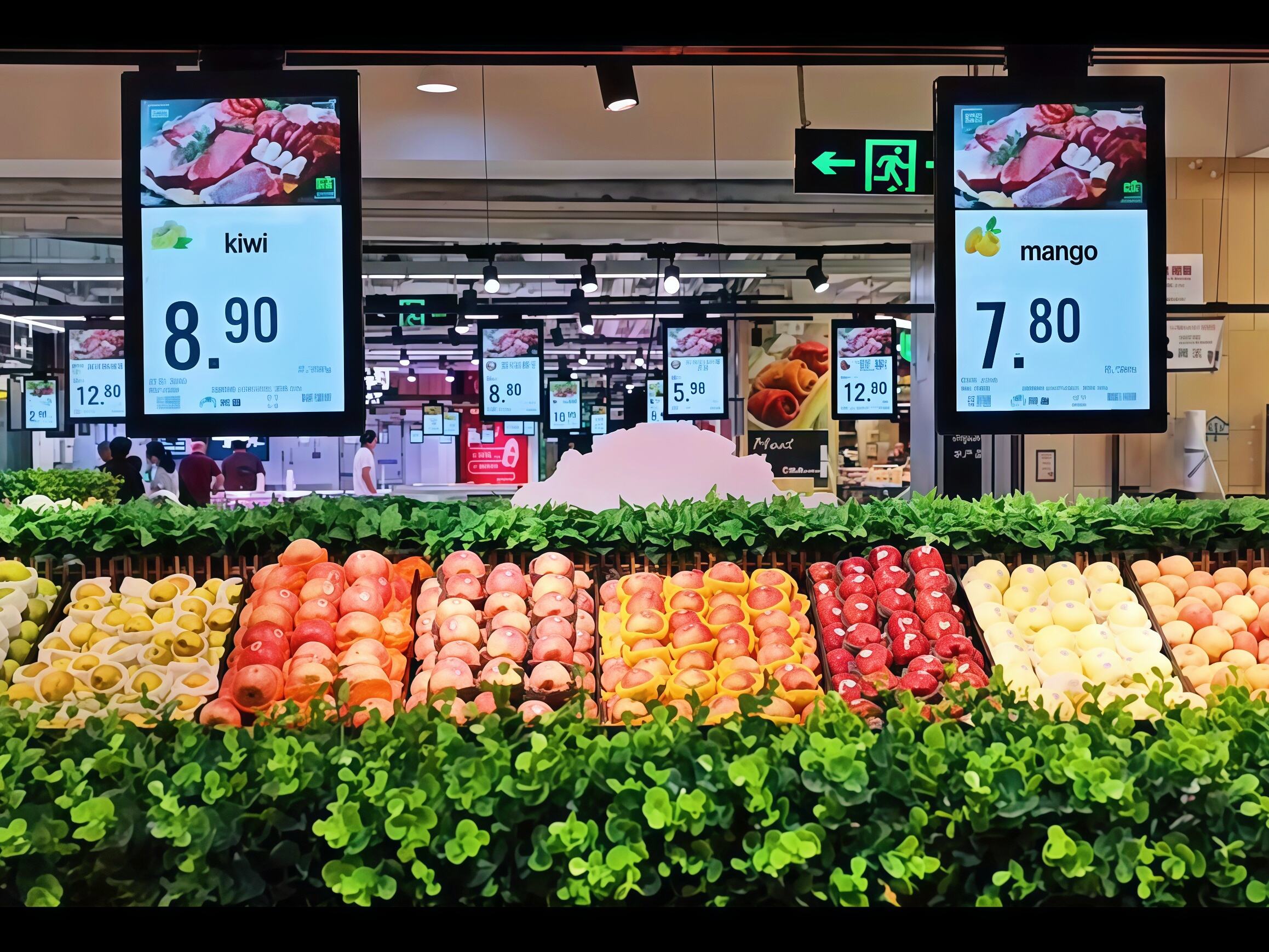
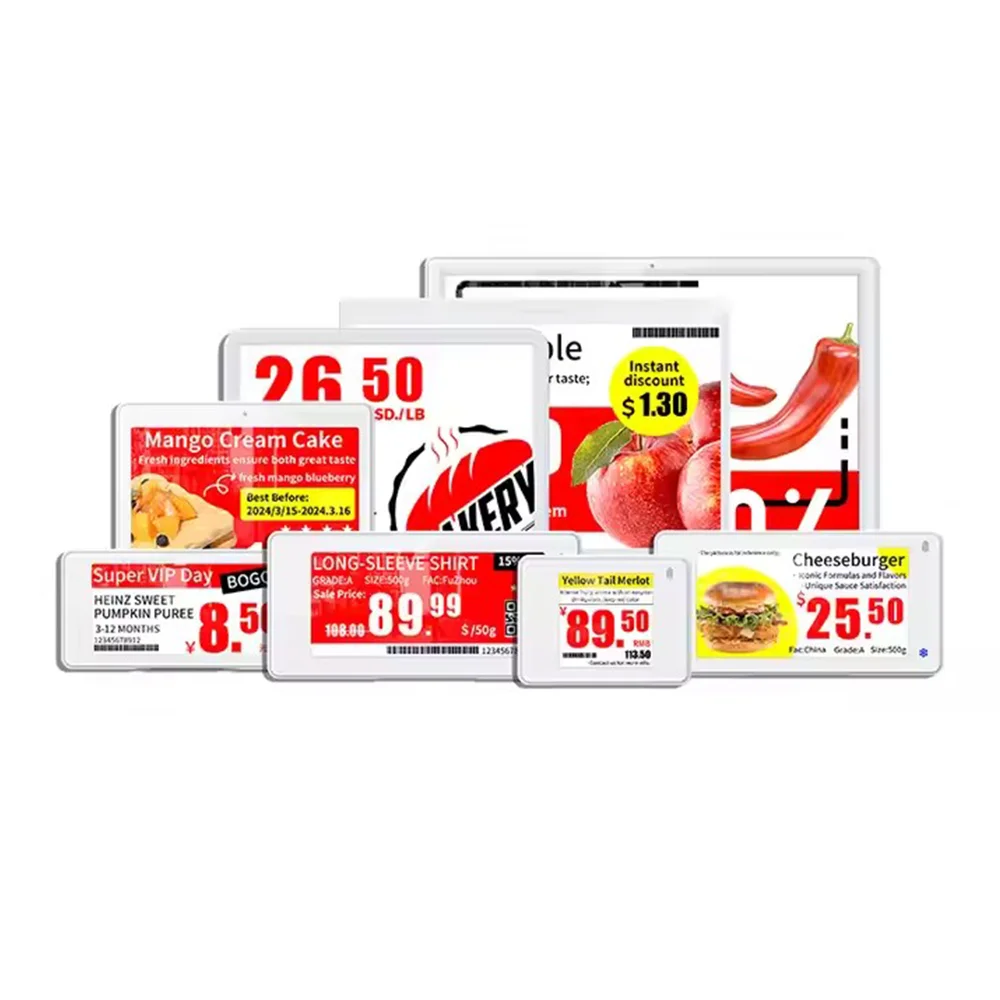
Switching from paper tags to digital shelf labels has been shown to cut down pricing mistakes by around 57%, according to research from Ponemon back in 2023. The time employees spend manually updating prices also drops significantly. Take one big grocery chain in the UK for instance they've adopted these digital systems connected through cloud platforms. Now they can change prices at all their 1,500 stores almost instantly without having to deal with those old paper signs anymore. What this means is fewer price mismatches between what's on the shelf and what rings up at checkout something customers often complain about. Plus, store workers aren't stuck with tedious price changes and can focus more on helping shoppers instead.
Digital labels sync with inventory systems to flag low-stock items and guide restocking routes, reducing out-of-stock incidents by up to 30%.
| Feature | Operational Impact |
|---|---|
| Wireless Updates | Modify pricing or promotions chain-wide in under 60 seconds |
| IoT Sensors | Automatically align labels with planogram changes |
| ERP Integration | Reflect real-time stock levels to prevent overselling |
Color-coded "flash" alerts direct staff to priority restocking zones, while interactive NFC tags let shoppers scan for allergen details or recipe ideas. Stores using dynamic shelf labels report 22% faster checkout times and 18% higher promotion engagement (Retail Tech Journal 2023).
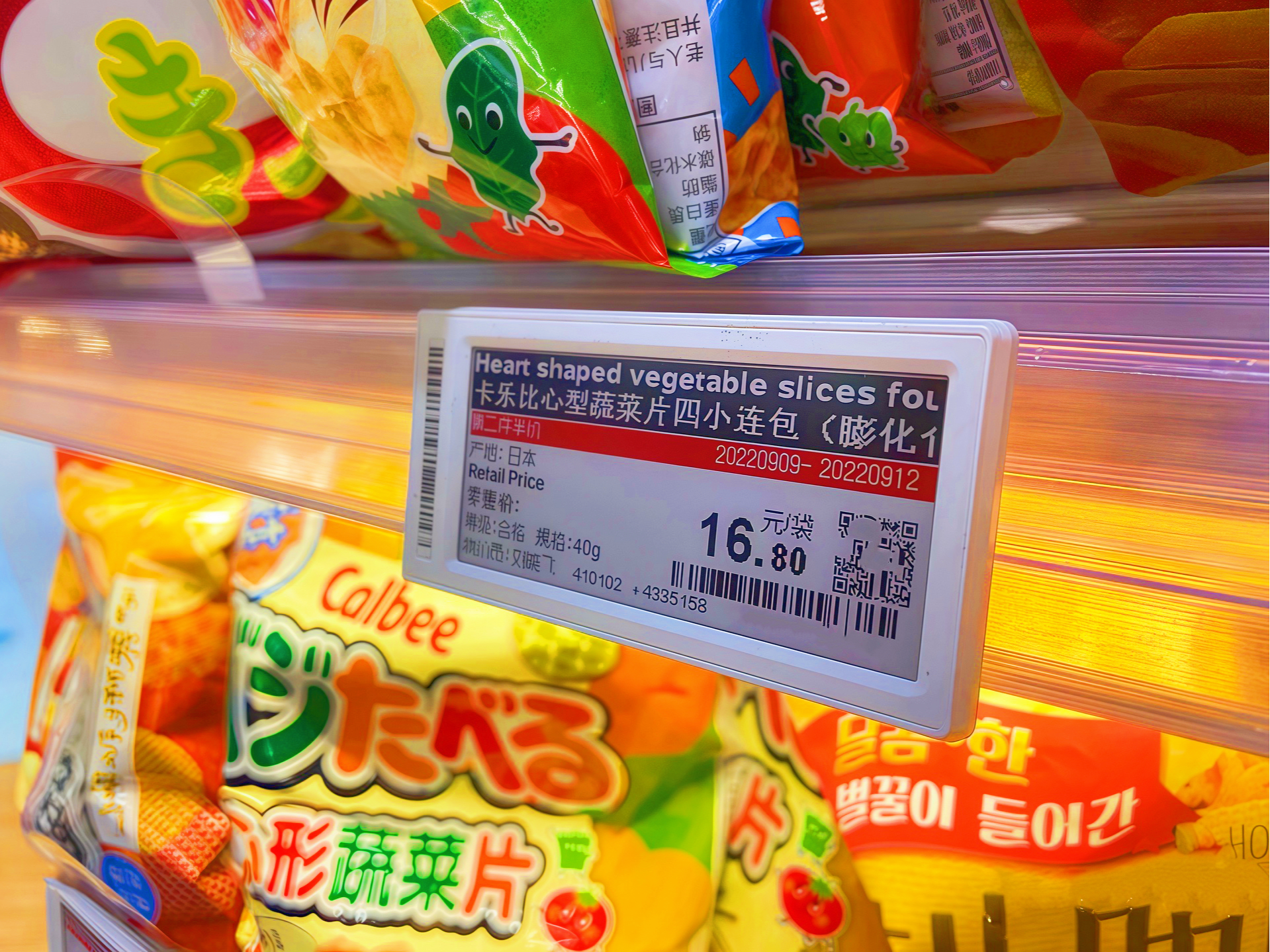
Digital shelf labels reduce pricing discrepancies by 89% compared to manual systems (Retail Insight 2023), directly addressing the leading cause of checkout disputes. Transparent displays of ingredients, certifications, and origin data help 72% of shoppers feel confident in their purchasing decisions, according to a 2024 grocery retail survey.
Stores using color-coded nutritional labels see 31% faster product selection in health-conscious aisles (Journal of Consumer Behavior 2022). Interactive labels with QR codes improve navigation efficiency by 44% for first-time visitors, especially in stores over 10,000 sq ft.
Real-time shelf label updates reduce missed promotions by 63% and increase impulse purchases in high-traffic areas. Strategic use of visual consistency strategies aligns with how 68% of consumers process product information visually (2023 CX Trends Report).
When digital shelf labels update prices in real time, they create that sense of urgency while making everything transparent for customers, which tends to affect what people decide to buy. According to some research from the 2024 Consumer Pricing Report, around 7 out of 10 shoppers actually end up purchasing something when they can clearly see if there's a promotion going on or how much stock remains. Take this one drink company as an example. They managed to boost their daily sales by about 18 percent simply by putting those flashy discount notices on their shelves during busy times of day. No need for anyone to run around changing paper signs manually anymore. The digital approach just works better for creating those spontaneous purchases we all love.
Smart machine learning systems are getting really good at matching promotions with what people actually want based on where they live and how they shop. Take a grocery store chain in the Midwest that noticed something interesting - when they put specific coupons right on shelf labels instead of just handing out generic discounts, customers actually used them 23% more often. The AI behind these systems isn't just guessing though. It looks at how many people walk by certain aisles throughout the day and sends out relevant deals. Like pushing cold brew coffee sales when it gets muggy outside. And here's another smart trick: these same systems keep an eye on what competitors are charging in real time so stores don't accidentally cut their own profit margins just to stay competitive.
In early 2023, over 200 US drug stores started using a new system where shelf prices automatically match what shows at checkout counters. This cut down on price disagreements at the register by around 94%. One big retail chain saw similar results when they switched to updating prices digitally during holiday seasons. Their problems with mismatched prices went from about 12% down to just 0.4%, which saved them roughly seven hundred forty thousand dollars each year on helping customers with billing issues according to the Ponemon Institute study from last year. These digital systems let stores tweak prices regionally whenever there are supply chain hiccups, keeping shoppers happy without needing to print new tags everywhere. Looking at recent Consumer Pricing Reports, it seems clear that stores with matching digital prices see about an 11% drop in people leaving their carts behind compared to places still using old fashioned paper price tags.
Shelf labels that work digitally get rid of all those tedious manual price changes that stores usually spend around 15 to maybe even 20 hours on each week. When stores automate this stuff, they can actually send their employees to do things like help customers directly or manage what's in stock better. According to some tech research from last year, big retail chains saw their staff spending about half as much time updating prices after switching to digital systems. That means stores saved something like 800 man hours every year just by not having to deal with paper tags anymore, freeing workers up for jobs that really matter to business growth.
Manual pricing errors cost retailers an average of $740,000 annually due to disputes and stock mismatches. Digital labels synchronize prices in real time across POS and e-commerce platforms, achieving 99.9% accuracy. This consistency reduces checkout conflicts by 83% and strengthens brand credibility.
Digital shelf labels do come with a price tag around $20k per store initially, but many retailers find they get their money back within about 18 to 24 months thanks to all those saved man hours. Looking at recent research from last year's market analysis, stores saw roughly triple their investment back over five years when they switched to these digital systems. The main reason? Operational waste dropped by about 22% each year after implementation. What this really means for businesses is that digital labels aren't just another way to cut costs. They actually help reshape how retail operations work over time, making stores run smoother day after day.
Key Implementation Notes
By integrating these capabilities, retailers transform shelf labels from static identifiers into dynamic tools that enhance accuracy, streamline operations, and boost customer satisfaction.
What are digital shelf labels?
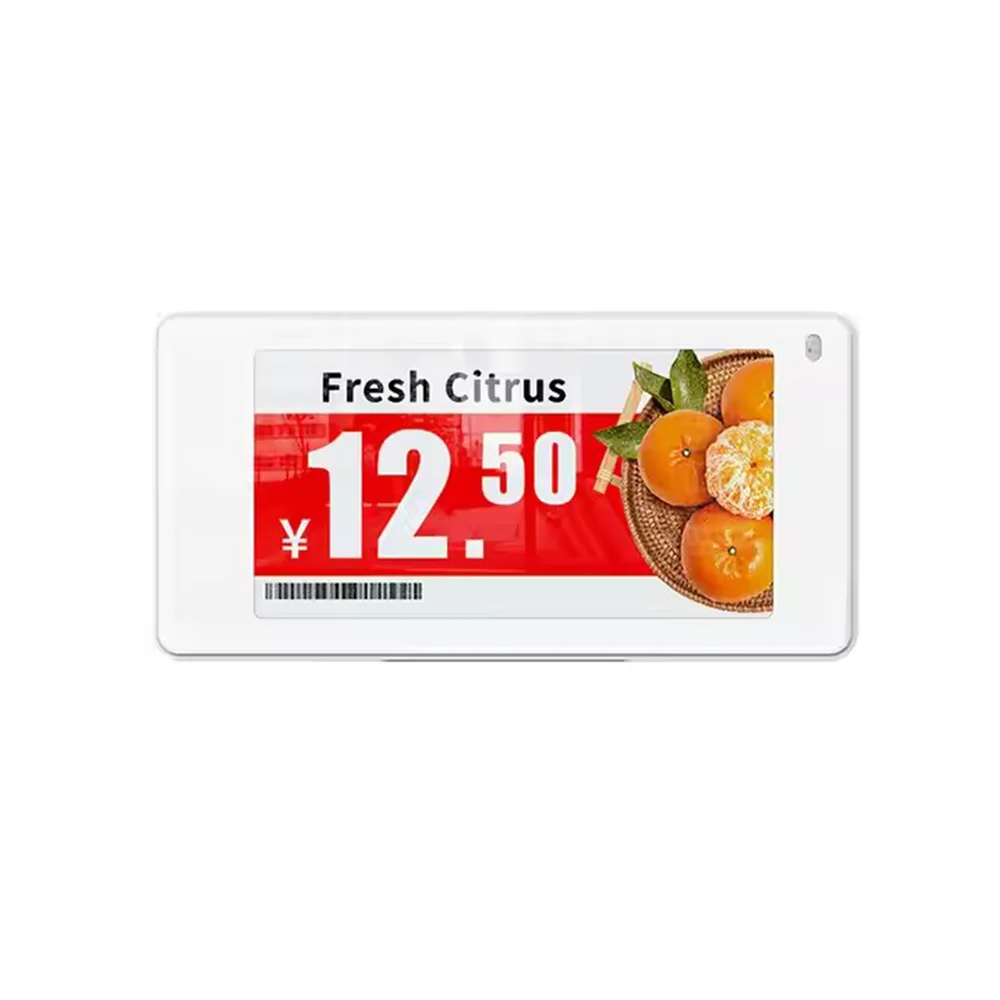
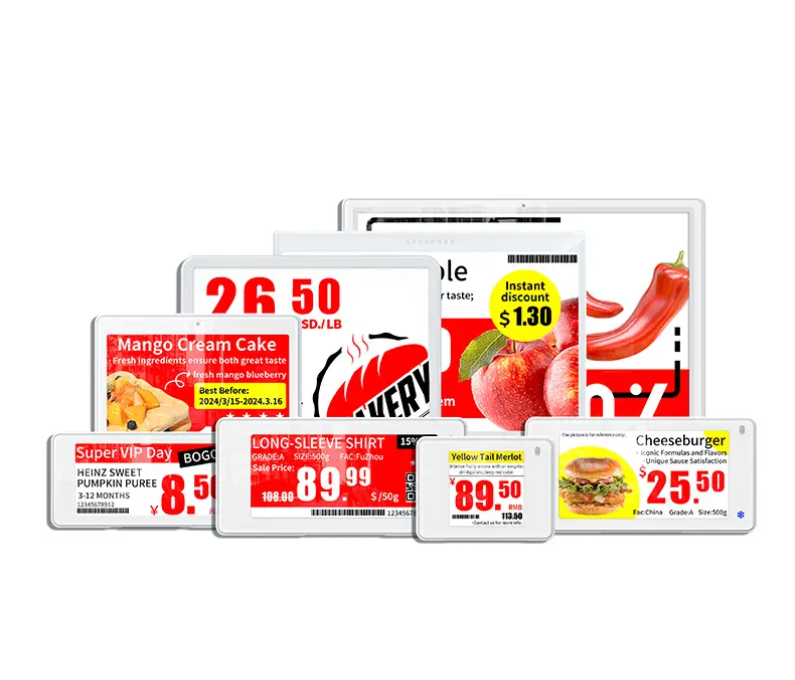
Digital shelf labels are electronic price display tags that replace traditional paper labels, allowing stores to update pricing and product information automatically.
How do digital shelf labels work?
They are connected to a store's inventory management system and can update pricing and stock information in real-time, which reduces manual labor.
What benefits do digital shelf labels offer?
Benefits include reduced pricing errors, improved inventory management, enhanced customer experience through accurate product information, and operational efficiency.
Are digital shelf labels cost-effective?
While the initial cost can be high, stores typically see a return on investment within 18-24 months due to labor cost savings and increased sales efficiency.
 Hot News
2024-09-14
2024-11-18
2023-11-14
2023-04-12
2019-07-11
We specialize in advanced electronic retail solutions to streamline operations and smarten up the shopping experience.