EN
EN

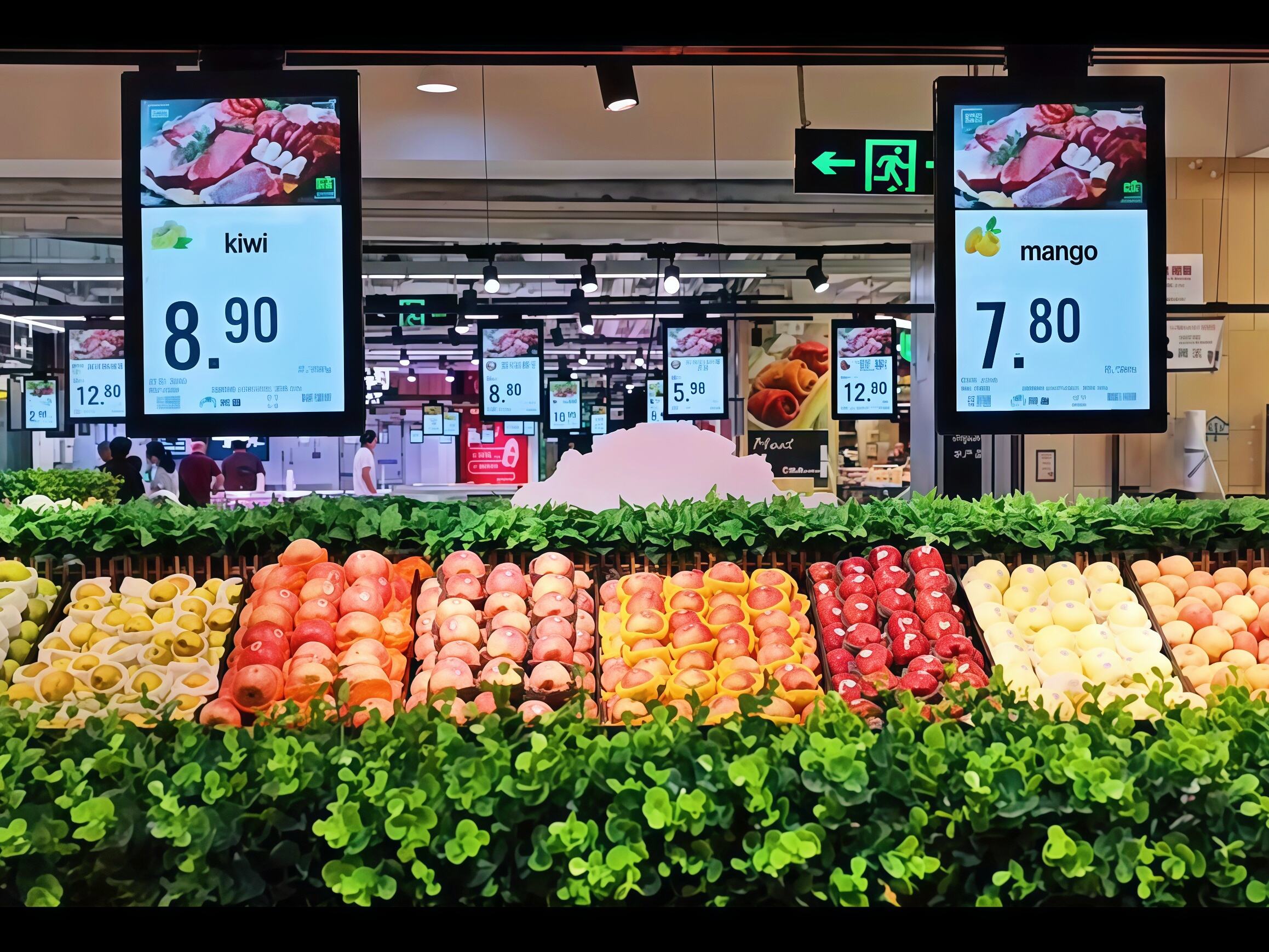
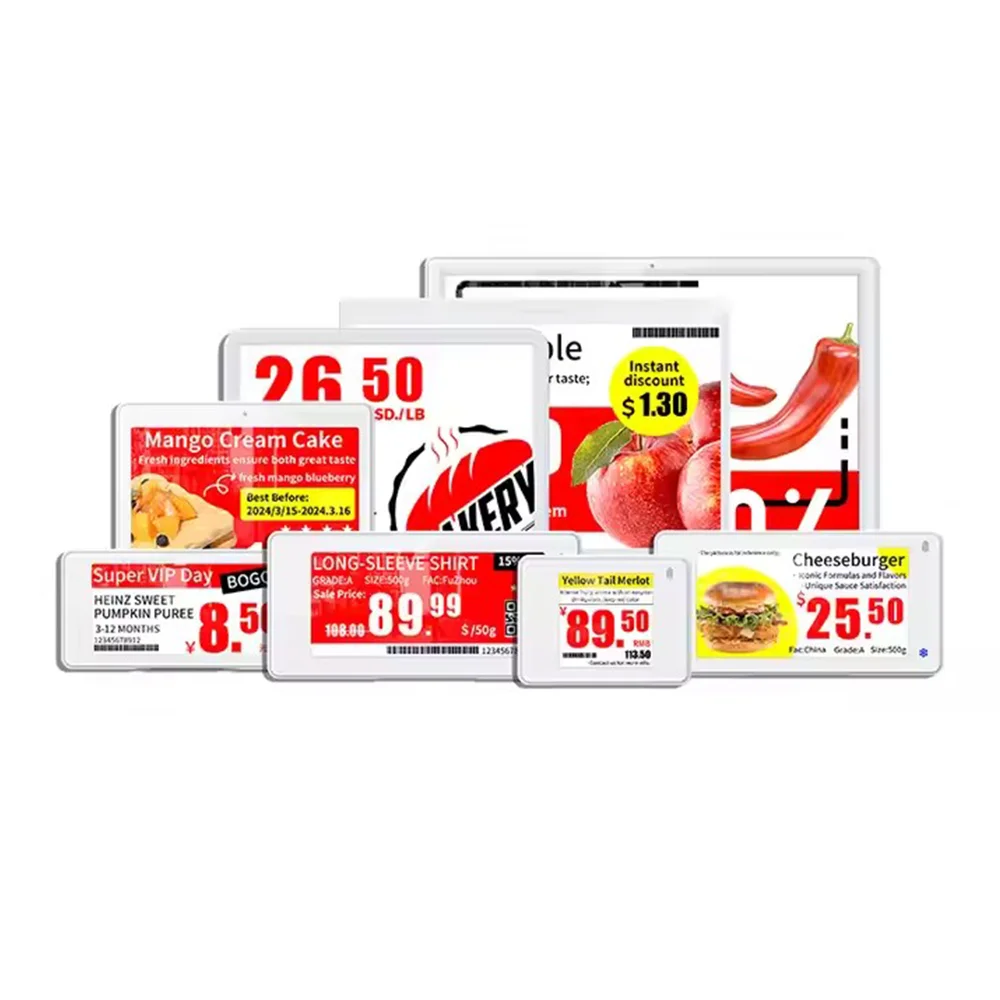
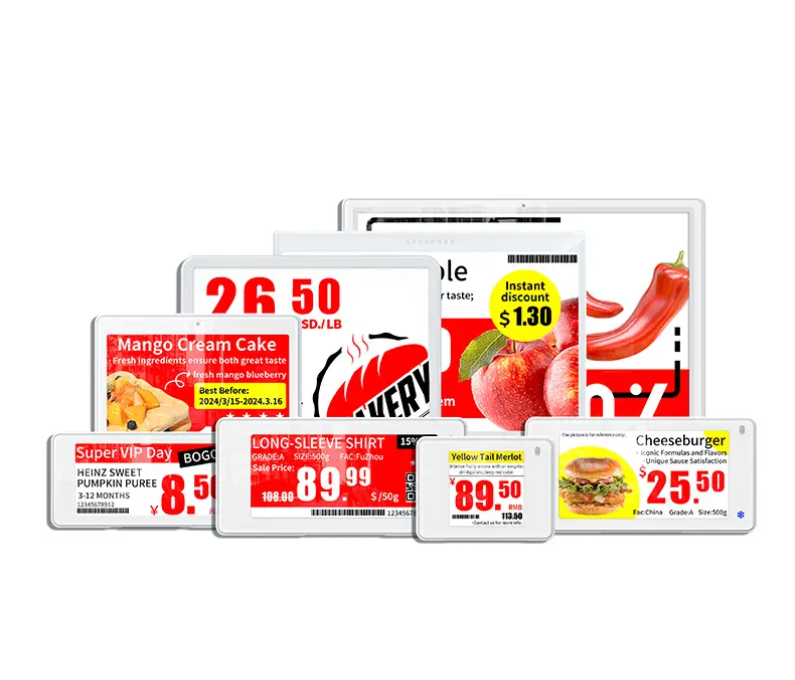
מערכות ESL מחליפות את התוויות הנייריות הישנות במסכים דיגיטליים המחוברים למערכת מרכזית. קמעונאים יכולים כעת לשנות מחירים ומידע על מוצרים במספר חנויות בו זמנית כמעט באופן מיידי, לפעמים תוך פחות מ-10 שניות. לא עוד ריצה להחליף תוויות ידנית, מה שפעם לקח כ-12 עד 15 שעות כל שבוע ברוב החנויות. כשתיוגים דיגיטליים אלו פועלים יחד עם מערכות נקודת מכירה וניהול מלאי, הם שומרים על דיוק במחירים ללא כל המורכבות. עובדי חנויות מבזבזים פחות זמן על שינויי תוויות משעממים ויותר זמן בעזרה ללקוחות למצוא את מה שהם צריכים או למלא מדפים כשנדרש.
ESL מבצע אוטומציה של שלושה זרמי עבודה קריטיים:
חנויות המשתמשות ב-ESL מדווחות על ירידה של 67% בעלויות עבודה הקשורים לתמחור, שכן משימות כמו הדפסה והצבת תיוגים מבוטלות. עובדים משיגים בחזרה בממוצע 9 שעות בשבוע לשירות לקוחות לאחר האימוץ.
בזכות ה-ESL שמטפלות במשימות תמחור שגרתיות, הפרודוקטיביות של הצוות עולה בממוצע ב-22%. משוחררים מעבודה ידנית של תיוג, עובדים יכולים במקום זאת:
ההעברה הזו מגבירה הן את הביצועים התפעוליים והן את חוויית הלקוח בתוך החנות.
לוחות מחוונים מרכזיים של תיוג אלקטרוני (ESL) מבטלים כללי תמחור אחידים בכל האזורים, ומסירים סתירות שנגרמות עקב עדכונים ידניים מושהים. במהלך מבחן עונת החגים בשנת 2022, הצליח מותג לבוש של 150 חנויות להשיג עקביות תמחור של 99.8% באמצעות תיוג אלקטרוני בהשוואה לדיוק של 84% עם תגיות נייר.
תיוג אלקטרוני (ESLs) מאפשר אסטרטגיות תמחור ריאקטיביות שלא ניתן להתאים להן באמצעות תגיות נייר מסורתיות. קמעונאים מקבלים שליטה מדויקת בתהליכי התמחור תוך עמידה בציפיות הצרכנים המודרניים לדقة וב Transparency.
מסכים אלקטרוניים מאפשרים התאמות מחירים על סמך תנודות ביקוש, פעילות המתחרים או רמות המלאי. סקר טכנולוגיה לetail מ-2024 גילה ש-68% מהמשתמשים הפחיתו את עיכוב החלטות תמחור מימים לדקות. גמישות זו היא חשובה במיוחד למוצרים מתפזרים, שבהם הנחתות דינמיות מפחיתות בזבוז מבלי לפגוע בה margines.
קמפיינים מוגבלי זמן מופעלים באופן מיידי בכל החנויות ללא התערבות ידנית. מכירות פתע, הנחות נאמנות ואירועי סילוק מלאי מסונכרנים אוטומטית עם מערכות POS, ומונעים אי-התאמות בתשלום שפוגעות באמון הלקוח.
לוחות מחוונים מרכזיים מאפשרים:
| כושר | השפעה |
|---|---|
| סינכרון מחירים בין מספר חנויות | תמחור אחיד ב-50+ מיקומים בתוך פחות משתי דקות |
| הפצת תבניות עונתיות | קמפיינים לעונה גבוהה מושקו במהירות גדולה ב-90% |
| אוטומציה של עמידה בדרישות | שינויי מחירים רגולטוריים חלים ללא שגיאות |
יכולות אלו מפשטות את ביצוע הקמפיינים ומצמינות את העומס האדמיניסטרטיבי.
משתמשים מוקדמים במערכות תווית אלקטרוניים (ESL) דיווחו על עלייה של 12-18% בהכנסות בקטגוריות רגישות למחיר כמו אלקטרוניקה לצרכן, על ידי אימוץ אסטרטגיות תמחור כמו באצרוף. התאמות בזמן אמת מאפשרות לקמעונאים לנצל מגמות זעירות, החל מתנודות דemand ויראליות ברשתות חברתיות וכלה בשינויי קנייה נגרמים ממזג האוויר.
מערכות ESL של היום מקשרות באופן בסיסי בין מה שקורה על מדפי החנויות למחשבים במשרד המרכזי, שם מתרחשים כל ענייני העסק. כשמערכות אלו פועלות יחד עם מכונות נקודת מכירה, הן מבטיחות שהתוויות מחירים תואמות בדיוק למה שנגבה בתהליך התשלום. הקשר למערכת תכנון משאבי יזם מבטיח עדכון אוטומטי של קבוצות גדולות של מחירים, במקום שאדם יצטרך לעשות זאת ידנית. לפי מחקר שוק, חנויות שמממשות סוג זה של חיבור מציגות הפחתה כמעט מוחלטת (בערך 95%) בעבודה ידנית, ודייקנות כמעט מושלמת (בערך 99.9%) בקביעת המחירים. حوسبة ענן מרחיבה את היכולות עוד יותר, ומבטיחה שההנחות והדרישות הנוגעות לרגולציה ישארו עקביות בכל מקום, דרך מסכי הניהול המרכזיים בתוך מערכת ERP.
מערכות ESL מעדכנות אוטומטית את מחירי המדף כדי להגיב לשינויים בזמן אמת במלאי, כגון שינויים במחירי הספק או תנודות ברמות המלאי. זה מונע דילול השוליים עקב תגי הרשאה מיושנים ומאחד את תמחור החנויות הפיזיות עם פלטפורמות מסחר אלקטרוני.
כאשר מחוברת ל תשתיות IoT כמו מדפים חכמים וחיישני נוכחות, התוויות האלקטרוניות תומכות בתמחור המתחשב בהקשר. למשל, מערכות משולבות יכולות להבליט קידומי מחיר זמניים בשעות שיא של תנועה בחנות. אינטראופרבייליות זו מגבילה את הקידום לאורך כל ה signage הדיגיטלי, תשלום באמצעות טלפון נייד ויישומוני נאמנות בתוך סביבות קמעונאיות מאוחדות.
כאשר המחירים מתעדכנים ידנית, טעויות קורות כל הזמן. מחקרים מצביעים על כך שכ-8 מתוך כל 100 פריטים מגיעים למחירים שגויים על המדפים בהשוואה למה שגובות הקופות בפועל. גם ההשפעה הפיננסית חמורה. קמעונאים מפסידים מאות אלפי דולרים מדי שנה בגלל פערי התמחור הללו, לפעמים עד 740,000 יורו בשנה עבור חנויות בגודל בינוני. גם חוסר שביעות הרצון של הלקוחות עולה משמעותית, כאשר שיעורי התלונות מזנקים בכשליש כאשר מתרחש תמחור שגוי. מערכות תוויות מדף אלקטרוניות (ESL) פותרות בעיה זו לחלוטין. הן שומרות על עקביות בכל מידע התמחור במכונות נקודות המכירה וברישומי המלאי באופן מיידי. משמעות הדבר היא שמבצעים מיוחדים ושיעורי הנחות תמיד תואמים את מה שעסקים הסכימו לשלם בפועל לספקים, ללא עיכובים או בלבול בדלפקי הקופה.
מחקרים מראים שבערך שני שלישים מכל טעויות התמחור נגרמות בגלל הזנת נתונים ידנית, לעתים קרובות עקב דברים פשוטים כמו בלבול בספרות או עבודה עם גרסאות ישנות של גליונות חישוב. רק תחשבו מה קורה כשמשהו מטעה ונותן הנחת 20 אחוז במקום שיעור ה-2 אחוז המיועד. לחנויות שמוכרות הרבה מוצרים, טעות מסוג זה יכולה להוביל לאיבודים של יותר מ-120 אלף דולר כל חודש. החדשות הטובות הן שמערכות אוטומציה של ESL מקטינות את ערכת העבודה בכ-4.5 שעות בכל חנות בשבוע. כלומר, העובדים כבר לא תקועים בביצוע בדיקות מחיר חוזרות, אלא יכולים להתמקד באמת בעזרה ללקוחות ולנהל את העסק טוב יותר.
חנויות עם מיקומים מרובים שעוברים לטכנולוגיית תיוג אלקטרוני רואות תוצאות מדהימות כשמדובר בדיוק מחירים במהלך ביקורות. המספרים מספרים את הסיפור באופן די ברור: עקביות של כ-99.97% לעומת רק 82% בשימוש בתוויות נייר ישנות. והנה מה שעושה את זה כל כך משמעותי. עם עדכונים בזמן אמת שמתרחשים ללא הרף, החנויות נשארות מעודכנות לגבי כל חוקי המחירים השונים בין מקום למקום. דמיינו לעצמכם את ניהול המחירים תוך התמודדות עם מסים מקומיים משתנים או מבצעים לזמן מוגבל באיזורים שונים. קמעונאים הפועלים בעשר אזורים או יותר יכולים לחסוך לעצמם בין 220 אלף לחצי מיליון דולר מדי שנה על ידי מניעת קנסות אי-תאימות ועמלות החזר. הגיוני, לא? כשכל המחירים נכונים בכל מקום בו זמנית, אף אחד לא נפגע.
מערכות תיוג אלקטרוני של מדפים (ESL) מספקות יתרונות כלכליים מוחשיים על ידי החלפת תהליכים ידניים שחוזרים על עצמם באוטומציה. קמעונאים מדווחים 54% תשואה שנתית על ההשקעה בהשגת יעילות תפעולית לאחר יישום פתרונות תיוג דיגיטלי (Retail Systems Research 2023), הנגרמת בשלושה מנגנוני חיסכון עיקריים:
עדכונים מרכזיים של מחירים מבטלים יותר מ-80 שעות עבודה חודשיות שהוקדשו בעבר להחלפת תווים. שרשרת מכולת בינונית חסכה 39,000$/שנה על ידי אוטומציה של זרימות עבודה לתיוג מחירים, בעוד תצוגות e-ink שמרות על אנרגיה הפחיתו את צריכה החשמל ב- 18%בהשוואה לתוויות מודפסות.
מרבית הקמעונאים משיגים תשואה מלאה על ההשקעה תוך 12-18 חוֹדָשִׁים באמצעות:
מעבר לחיסכון ישיר, מערכות ESL מפחיתות פסולת נייר ב 92% מדי שנה בשורה של 100 חנויות. ניהול מבוסס ענן מבטיח עמידות עתידית בפני עליות שכר הנגרמות מאינפלציה ובפני הפרעות בשורת האספקה.
בעוד עלויות החומרה הראשוניות הן בממוצע 15-30 דולר לדוכן , פתרונות דיגיטליים מבטלים הוצאות חוזרות כמו הדפסת תגיות (0.02-0.05 דולר לתג) ועבודה ידנית (18 ש"ש לעובד). רשתות עם 500 חנויות או יותר מדווחות באופן עקבי על שיפור יעילות ביחס של 3:1 בתוך 24 חודשים מרגע השילוב.
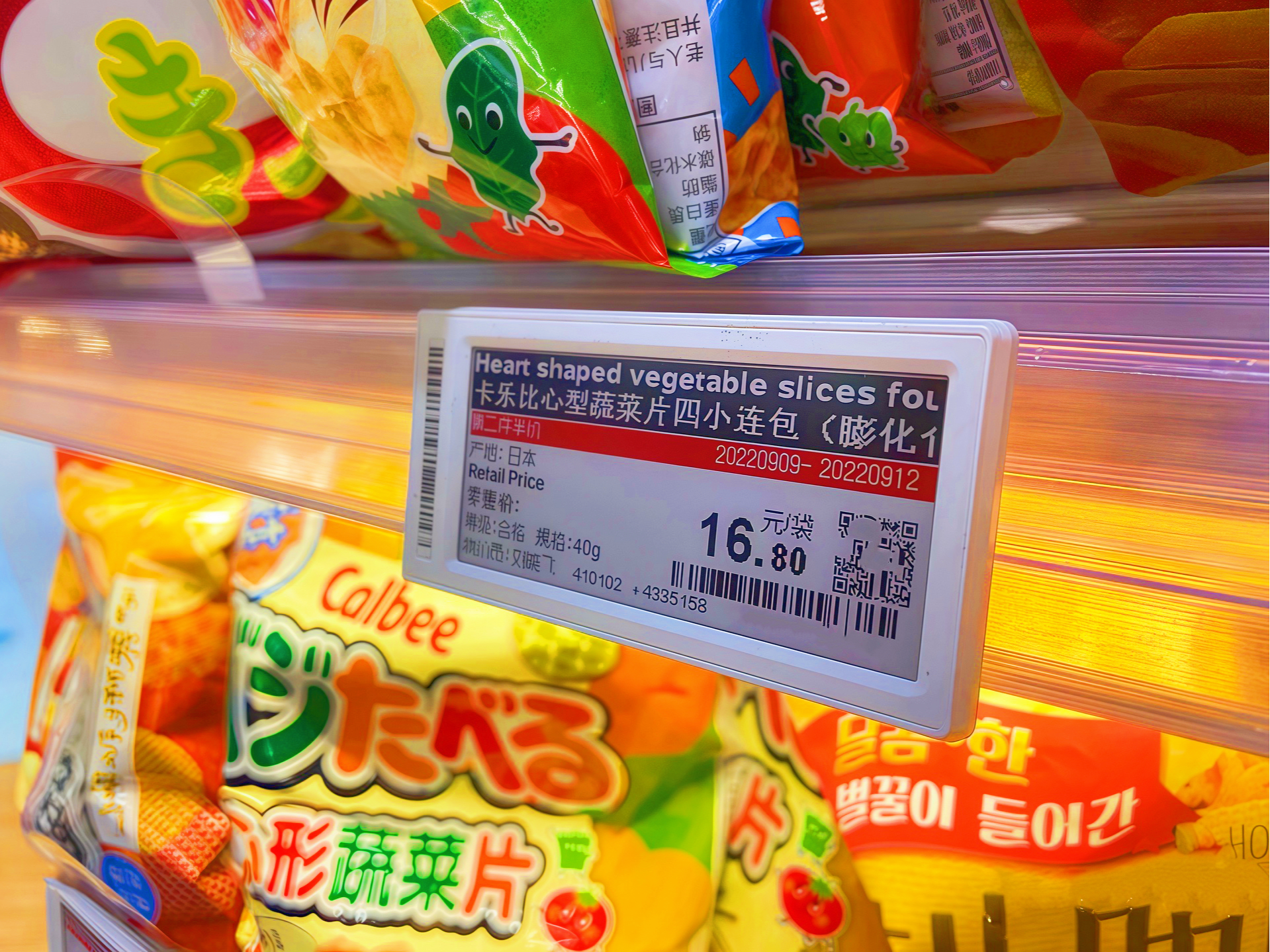
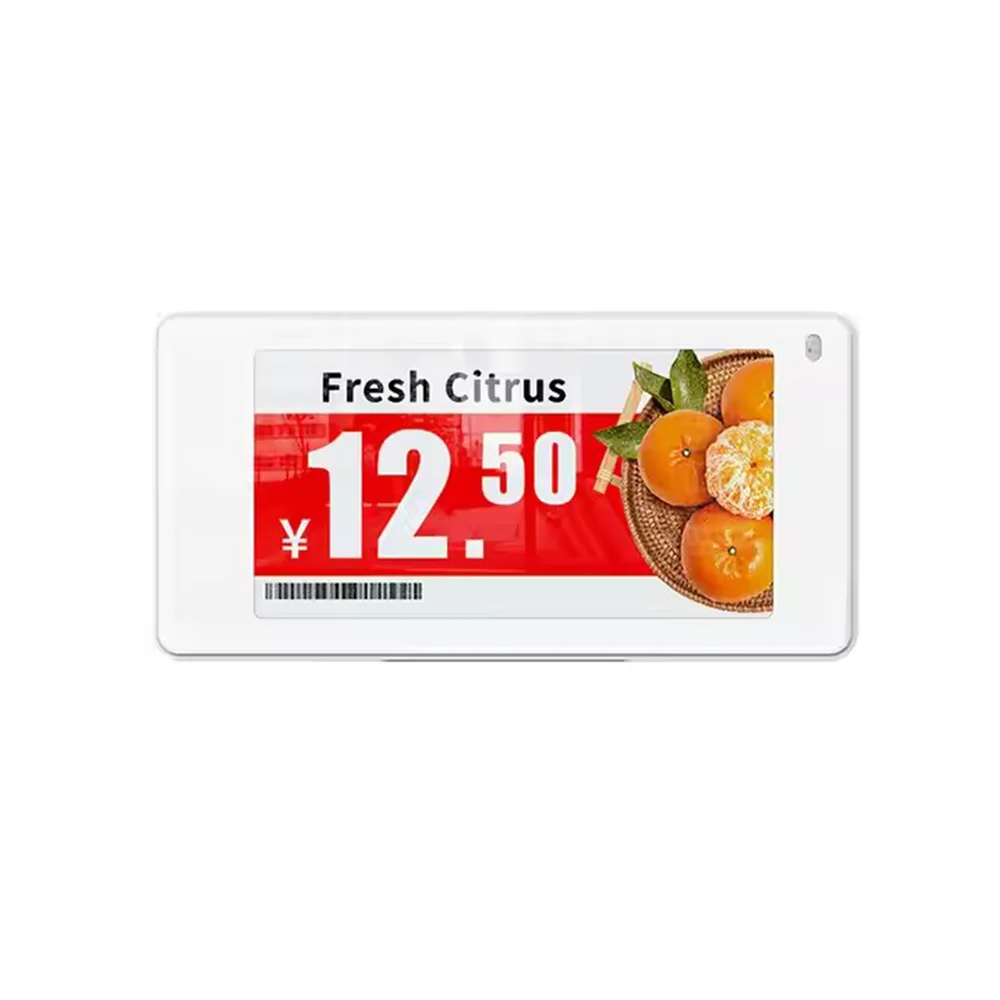
תגי מדף אלקטרוניים (ESL) הם תצוגות דיגיטליות המשמשות בחנויות קמעונאיות להצגת מחירים ומידע על מוצרים, שניתן לעדכן בזמן אמת דרך מערכת מרכזית במקום לשנות ידנית תגיות נייר.
מערכות ESL משפרות את היעילות התפעולית, מקטינות עלויות עבודה ושגיאות תמחור, מאפשרות תמחור דינמי וקמפיינים בזמן אמת, ותומכות באינטגרציה עם מערכות POS ו-ERP לצורך עקביות ודقة.
קמעונאים מדווחים על חיסכון משמעותי בעלויות, כולל תשואה שנתית של 54% הודות להפחתת עלות כוח אדם, הפחתת שגיאות ושיפור גמישות התמחור. תקופה של החזר ההשקעה השלמה (ROI) היא בדרך כלל בין 12 ל-18 חודשים.
כן, מערכות ESL מקטינות משמעותית את פסולת הנייר וצרכניות אנרגיה בצורה יעילה, ובכך תורמות ליציבות בסחר קמעונאי.
 חדשות חמות
2024-09-14
2024-11-18
2023-11-14
2023-04-12
2019-07-11
אנו מתמחים בפתרונות מתקדמים למסחר אלקטרוני כדי לאפשר תפעול חלק ולחכם את חוויית הקנייה.