EN
EN
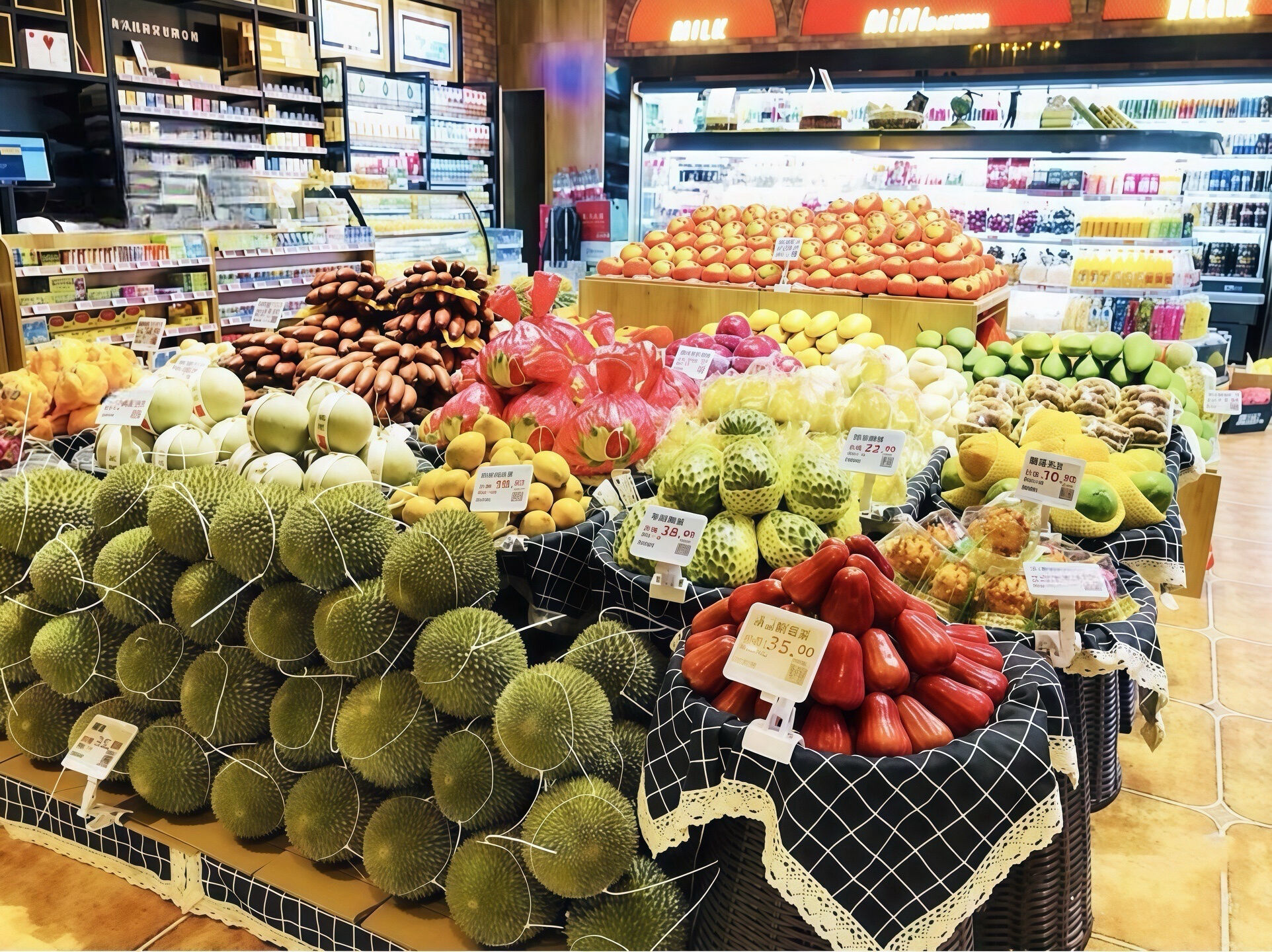
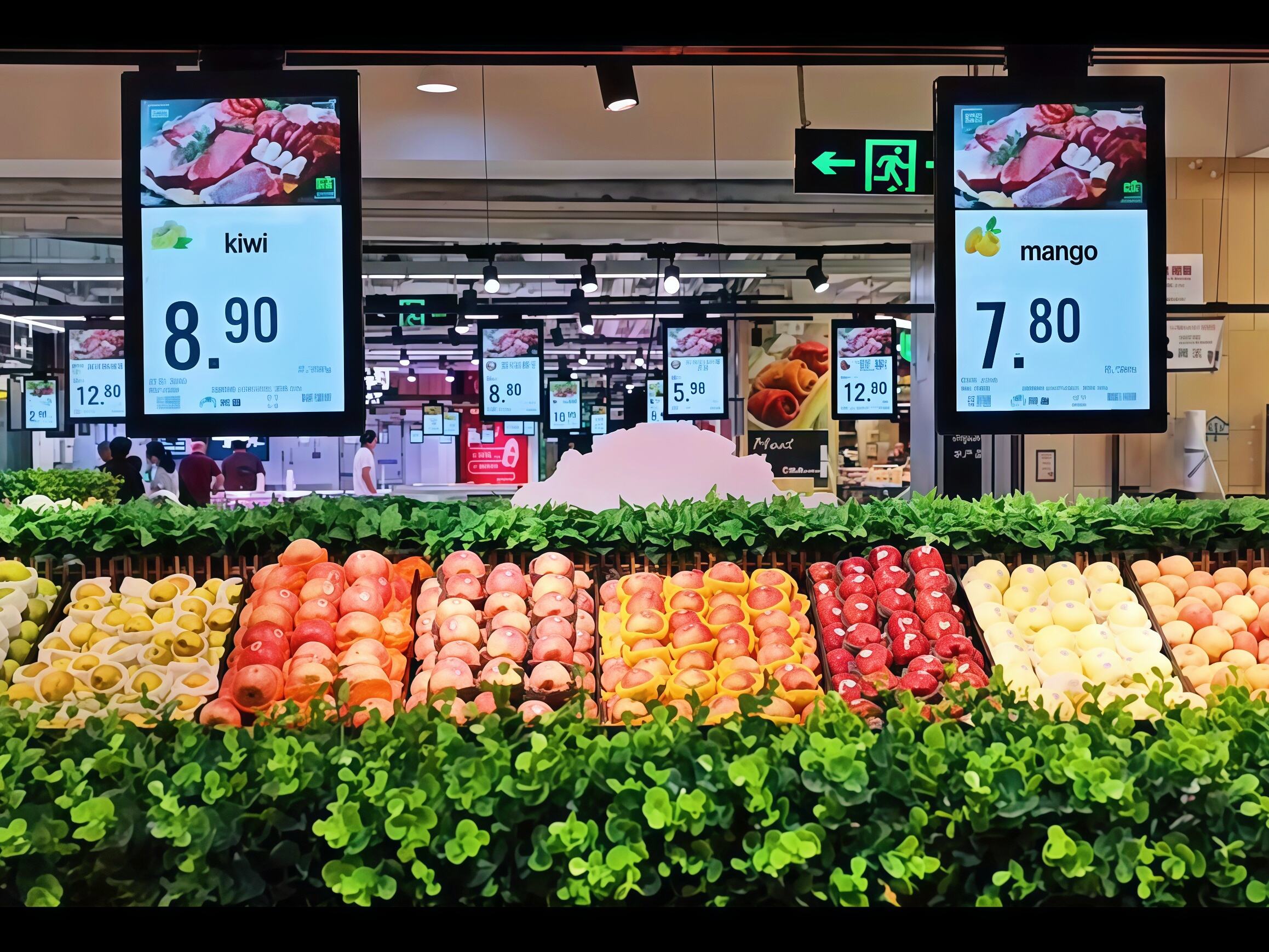
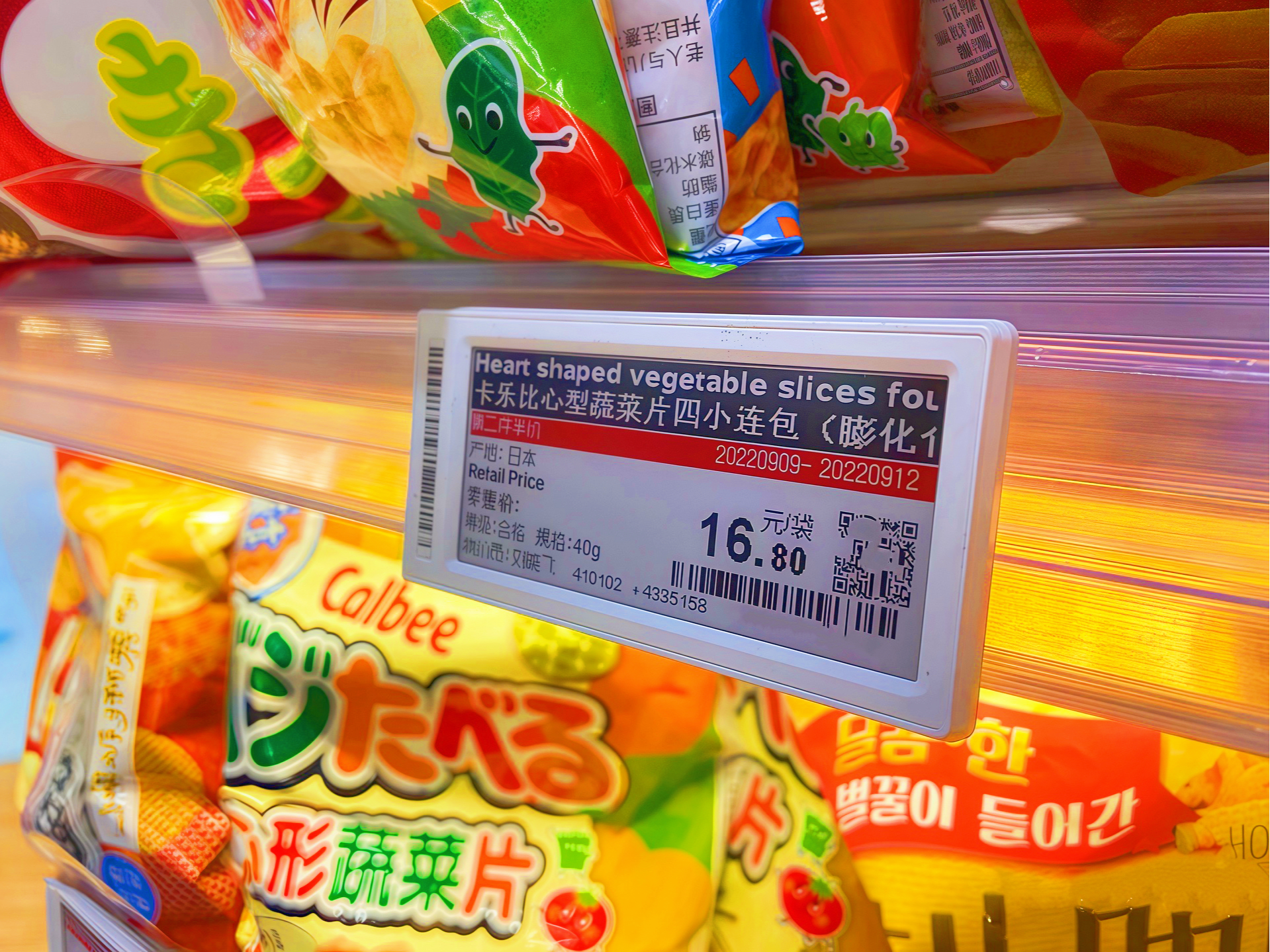
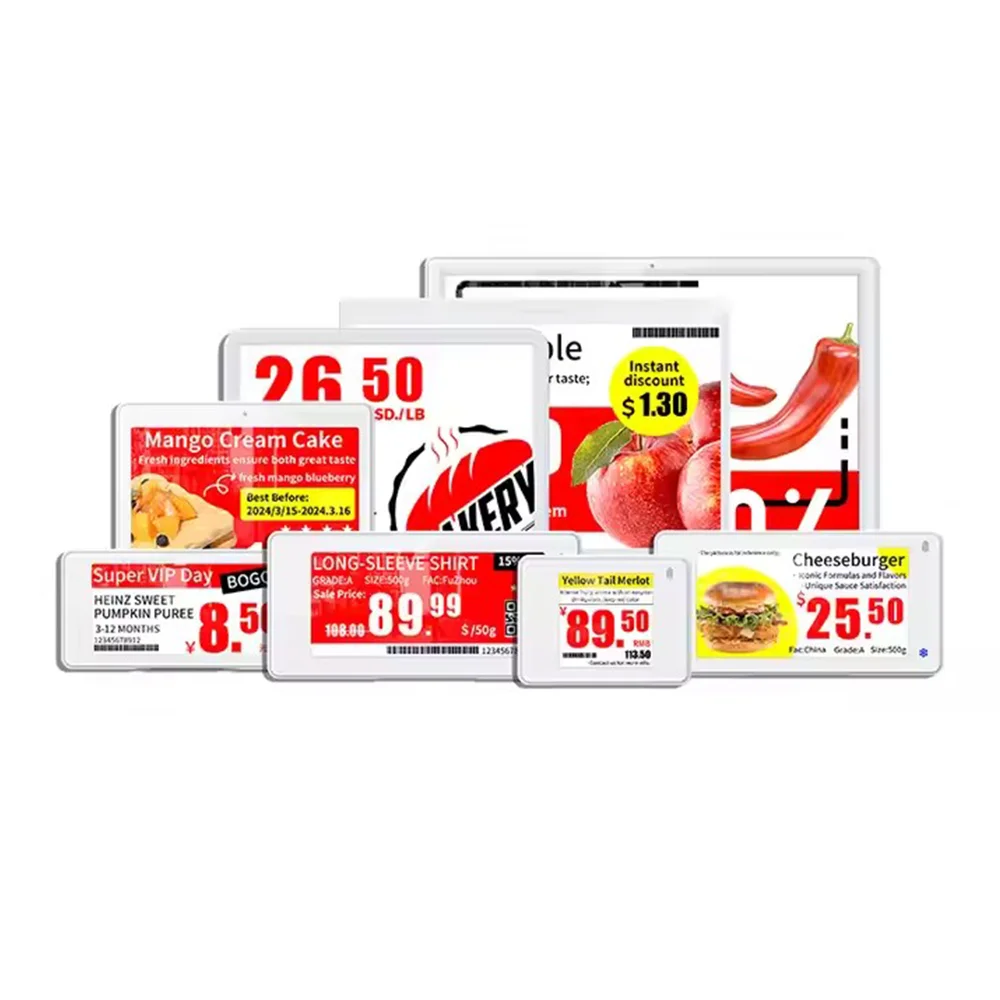
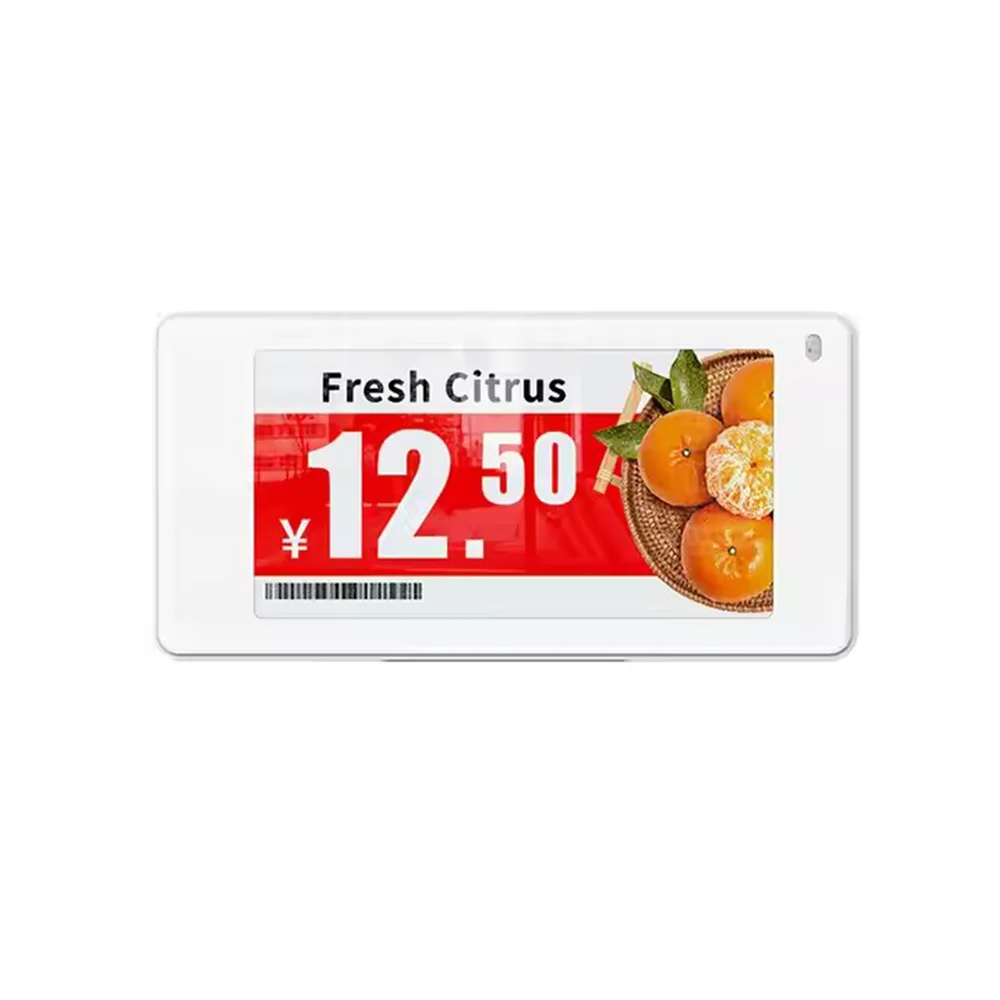
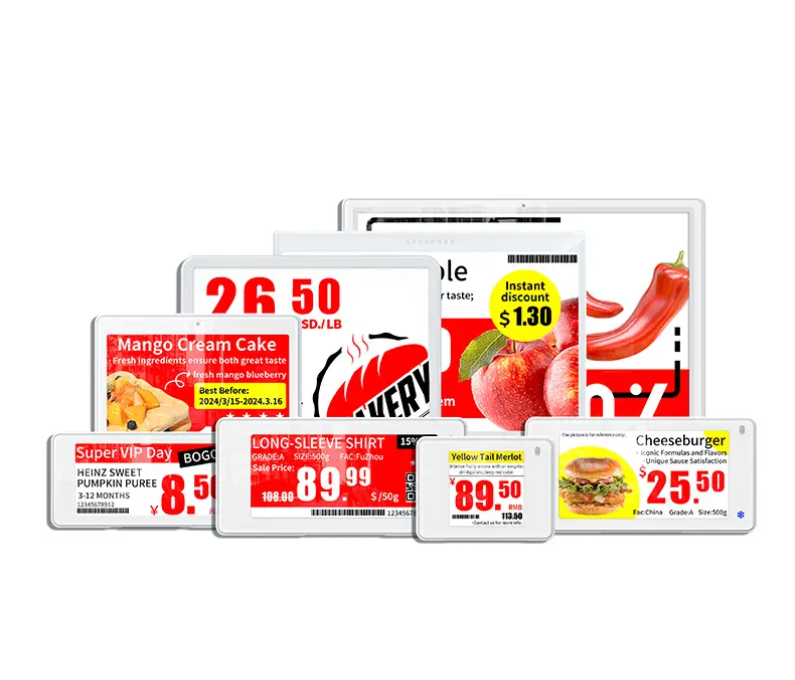
More and more retailers are swapping out those old paper price tags for digital ones powered by E Ink technology. According to Retail Systems Research, adoption rates have jumped by 42% since 2022 across the industry. These new displays work great even in bright sunlight, so there's no need for employees to constantly update prices manually. Plus they still look similar enough to regular paper tags that customers don't get confused. For a standard sized store covering around 10,000 square feet, making this switch could save roughly $8,100 each year on labor costs related to managing all those price tags. That adds up pretty quickly when looking at multiple locations.
New electronic shelf label systems can refresh prices throughout whole retail networks in just over two seconds flat, which matters a lot when prices are bouncing around due to inflation spikes. A recent study from the Retail Tech Outlook 2025 found that stores with E Ink labels hit about 99.7 percent accuracy on pricing, while those still using handwritten tags only managed around 92%. What makes this tech so efficient? Well, these displays don't need constant electricity to stay visible, so they can show updated info almost instantly through cloud-based management systems. Retailers save time and money because there's no need for staff to manually change hundreds of price tags every week.
E Ink ESL technology can last upwards of seven years running off those little coin cell batteries, which is pretty impressive when you think about it. These systems work wirelessly with inventory management platforms, some even have dual displays that show both prices and nutritional information. The best part? They're super slim at just 2mm thick and totally tamper proof, making them perfect for adding onto current store shelves without tearing anything apart. Retailers adopting this tech typically cut down around 380 tons of paper waste each year across 100 stores alone. That's a massive environmental win without having to rebuild entire store layouts or spend extra cash on new equipment.
E Ink displays work with something called bistable tech, which means they need power only when updating what's shown on screen. After an image gets displayed, there's actually zero energy required just to keep it visible. Traditional screens are totally different because they keep drawing power all the time even when nothing changes. The result? These super efficient displays can run for around five to seven years on just one small coin cell battery. We've seen this happen in actual stores across the country where these screens have been running nonstop for years without needing replacement batteries.
The energy gap between E Ink and LCDs is significant:
| Metric | E Ink Displays | LCD Displays |
|---|---|---|
| Power During Operation | 0.1W per update | 5W continuous |
| Annual Energy Use* | 0.5 kWh | 43.8 kWh |
| Battery Life | 5-7 years | 3-6 months |
*Based on 10 daily updates for E Ink vs. 24/7 operation for LCDs (2024 DisplayTech Report)
Retailers using E Ink labels reduce annual energy costs by 92–96% compared to LCD-based systems. A store with 2,000 digital tags saves approximately $1,850 yearly on battery replacements and $3,200 in electricity, amounting to over $25,000 in savings within five years.
One major European supermarket recently swapped out all those paper price tags for E Ink displays across their stores. The results were impressive: they cut down on display energy consumption by nearly 90%, stopped wasting about 1.2 tons of paper every year, and saved around $62k annually on both labor costs and materials. Looking at what happened with their energy bills, it turns out the store made back all the money spent on this upgrade in just over a year. Plus, they managed to lower their carbon footprint significantly too, cutting CO2 emissions by roughly 8.7 metric tons each year. Pretty good return on investment when considering both financial and environmental benefits.
Switching to E Ink displays gets rid of those throwaway paper labels we see everywhere. Each digital tag can actually replace around 100 paper ones every year for different product categories. The numbers are pretty impressive too. A medium sized store could save anywhere from 12 to 18 tons of paper waste annually just by making this change, as noted by the Green Retail Initiative back in 2023. And let's talk money. Stores have seen their paper label buying expenses plummet by nearly 97%. That's a huge saving. Plus, prices stay accurate in real time so customers always see the right information without anyone having to manually update hundreds of sticky notes on shelves.
A comparative lifecycle assessment highlights E Ink’s advantages:
| Material | Energy Use (kWh/year) | Recyclability Rate | Avg. Lifespan |
|---|---|---|---|
| Plastic Labels | 220 | 14% | 6 months |
| Paper Labels | 180 | 81% | 3 weeks |
| E Ink Displays | 4.5 | 89% | 5–7 years |
E Ink’s long lifespan and energy-efficient refresh cycles result in an 84% lower carbon footprint than LCD alternatives, as validated by independent material sustainability studies.
A 2023 pilot across 47 grocery stores found that E Ink adoption reduced annual COâ‚‚ emissions by 1,200 metric tons per location. This aligns with estimates from the Environmental Paper Network, which projects digital signage cuts global retail paper consumption by 740 million sheets annually.
E Ink does require some rare earth materials in production, but the displays last way longer than regular LCD screens actually. We're talking around seven times the lifespan, which means the extra resources used up front get balanced out within just 18 to 24 months. For stores that have these closed loop recycling systems going on, they manage to pull back about 92 percent of all those display parts when customers return them. After running this system for three full years, the whole operation ends up being better for the environment than traditional alternatives. That's why so many retail chains are turning to E Ink technology these days. It helps cut down on those tricky Scope 3 emissions that come from things like product usage and disposal, something most companies struggle with in their sustainability reports.
Digital shelf labels powered by E Ink technology give retailers the ability to change prices on the fly based on what's happening in the market right now. With central control systems, stores can tweak prices across all their locations at once, which helps them react automatically when there's high demand, run limited time offers, or clear out excess stock. According to the latest Retail Pricing Efficiency numbers from 2023, shops that switched to these digital price tags saw a massive drop in pricing mistakes—around two thirds fewer errors actually—and had much better control over their profit margins too. Many store managers report feeling more confident about adjusting prices throughout the day without worrying about manual errors.
Many stores are now using E Ink technology for their displays because it doesn't cause eye strain even in bright light, plus it helps them go green. These solar powered smart tags display QR codes that connect customers to how-to videos, flash sales when stock gets low, or special deals depending on how busy the store is at any given time. The best part? No more throwing away tons of paper flyers every season. Stores still get that nice magazine-like look without all the environmental guilt attached to traditional print advertising methods.
The low power needs of E Ink technology make it possible to run entire retail setups on solar power alone, which works great in places without reliable electricity or for short term operations. Just one tiny solar panel is enough to keep dozens if not hundreds of those e-paper price tags going forever. This matters a lot for things like temporary pop up shops, farmers markets that set up outside, or even during disaster response efforts when normal power isn't available. Getting rid of the need for conventional electrical connections cuts down on running expenses while also slashing greenhouse gas output from these retail locations.
Switching to E Ink labels cuts down on paper waste by nearly 90% when compared to old school labeling methods according to research from the Sustainable Retail Institute in 2025. Plus retailers save money since they don't have to keep replacing those paper tags. This tech really helps businesses hit their environmental targets too, lining up nicely with what the United Nations calls for in their Sustainable Development Goals. Looking at numbers from FTSE Russell's 2025 study shows something pretty impressive happens when stores install around 1,000 of these electronic paper labels. They end up cutting carbon emissions by 12 tons each year, which makes a big difference for companies trying to tackle their indirect emissions under Scope 3 categories.
Even though they do require some rare earth minerals for manufacturing, E Ink displays last around 15 years on average, which is actually seven times longer than regular paper labels. According to Circular Tech Review from 2024, this longevity cuts down their overall carbon footprint by about 73%. The big companies making these displays are also working to reduce their environmental impact upfront. Many factories now run partially on solar power, and there's growing interest in closed loop recycling systems too. When we look at energy consumption over ten years, one E Ink label uses roughly 98% less power compared to similar LCD options. At large scales, this difference really adds up and creates positive environmental benefits that go beyond just saving energy.
E Ink digital shelf labels use electronic ink technology to display information. They require minimal power and can update prices and product details rapidly through a centralized system, offering significant time and cost savings for retailers.
E Ink displays consume power only during content updates. Once an image or text is displayed, no further energy is needed to maintain visibility, leading to significant energy savings compared to traditional displays that require continuous power.
E Ink technology reduces the need for paper labels, significantly cutting down on paper waste and carbon emissions. Digital displays have a high recyclability rate and long lifespan, contributing to overall reduced environmental impact.
Yes, due to their low energy requirements, E Ink displays can be powered by small solar panels, making them suitable for off-grid applications and further enhancing their sustainability benefits.
 Hot News
2024-09-14
2024-11-18
2023-11-14
2023-04-12
2019-07-11
We specialize in advanced electronic retail solutions to streamline operations and smarten up the shopping experience.