EN
EN

Modern retail environments face unprecedented challenges in maintaining accurate, competitive pricing across thousands of products. Traditional paper labels create inefficiencies, errors, and significant labor costs that impact profitability. Digital price tags represent a transformative solution that enables retailers to manage pricing dynamically while reducing operational overhead and enhancing customer experience.
The retail landscape continues evolving rapidly, with consumer expectations for accurate pricing and product information reaching new heights. Smart shelf labels provide retailers with unprecedented control over their pricing strategies while eliminating the time-consuming process of manual price updates. These electronic displays integrate seamlessly with existing retail management systems to deliver real-time pricing accuracy across entire store networks.
Retailers implementing electronic shelf label systems report significant improvements in operational efficiency and customer satisfaction. The technology addresses critical pain points including pricing errors, labor-intensive updates, and the inability to respond quickly to market changes. Understanding how these systems work and their practical applications helps retailers make informed decisions about modernizing their pricing infrastructure.
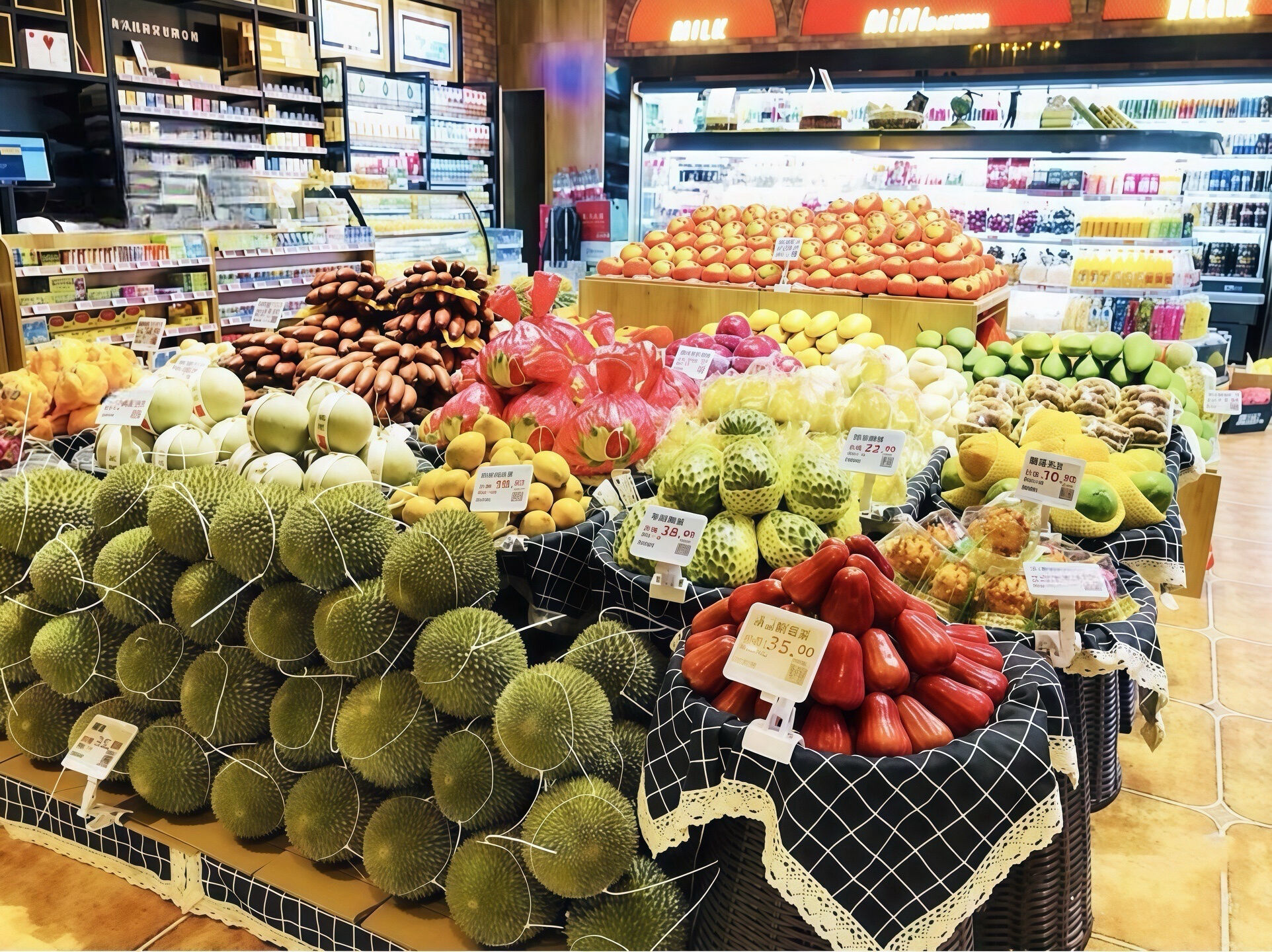
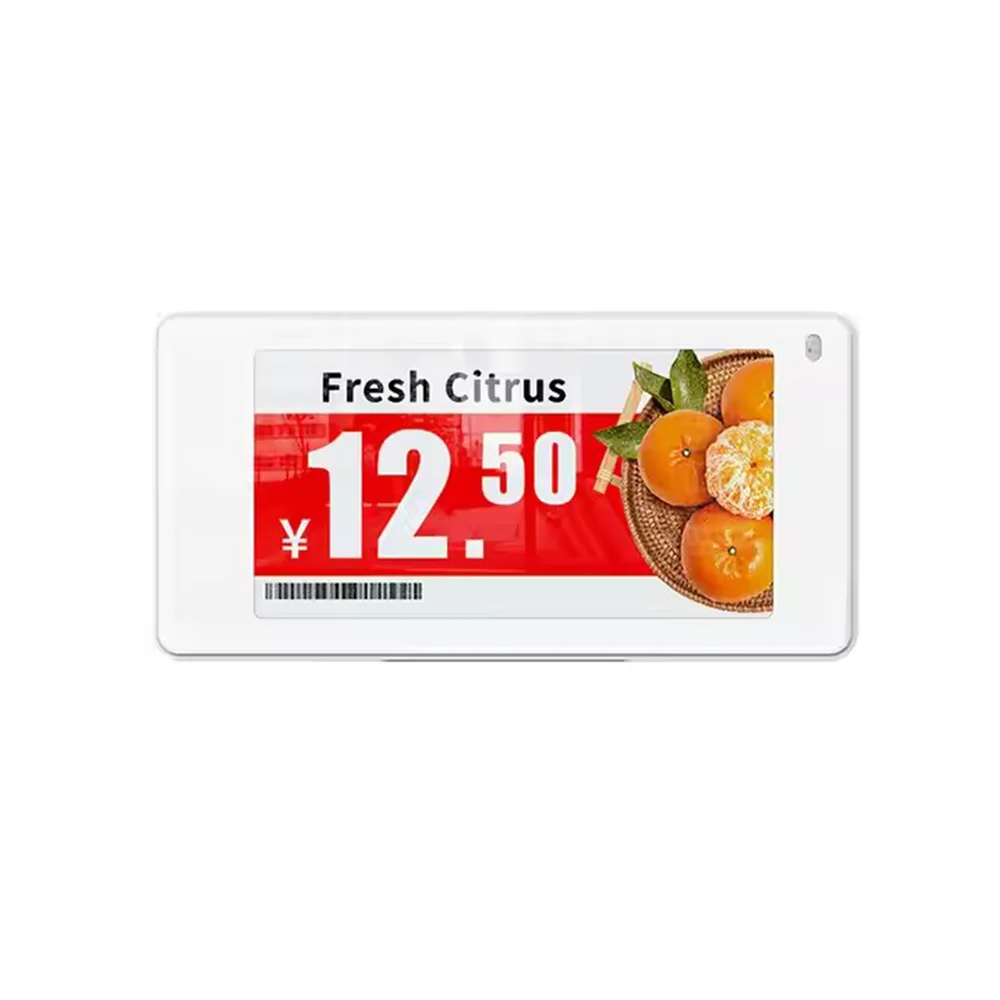
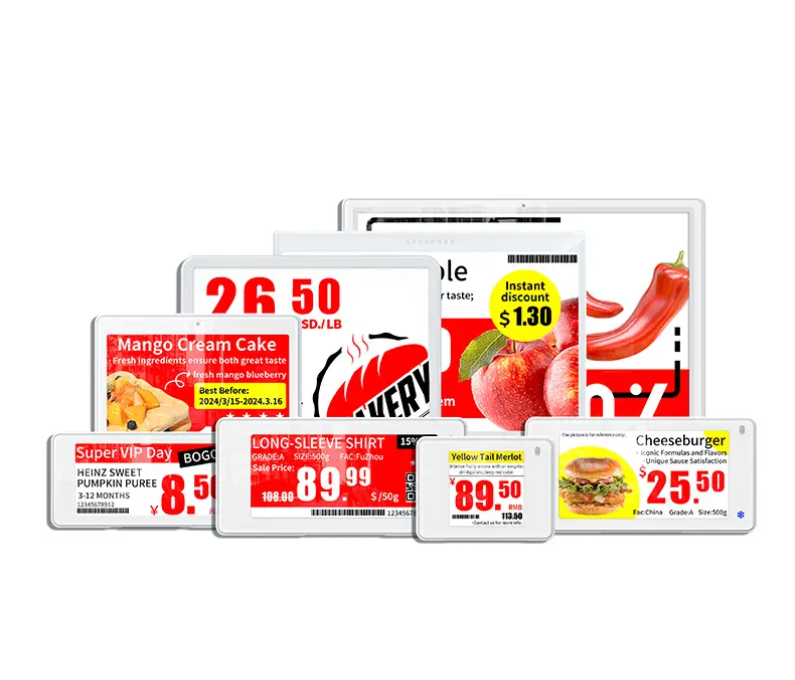
Electronic shelf labels consist of several key components working together to deliver seamless price management functionality. The display unit features high-contrast screens that remain visible under various lighting conditions, ensuring customers can easily read pricing information throughout the day. Advanced battery technology provides extended operation periods, typically lasting several years before requiring replacement or recharging.
Wireless communication protocols enable real-time data transmission between central management systems and individual labels. Most modern systems utilize low-power radio frequencies that minimize interference with other store equipment while maintaining reliable connectivity. The labels receive pricing updates, product information, and promotional messages instantly, eliminating delays associated with manual updating processes.
Integration capabilities allow electronic shelf labels to connect with existing point-of-sale systems, inventory management software, and enterprise resource planning platforms. This connectivity ensures pricing consistency across all customer touchpoints while providing centralized control over promotional campaigns and pricing strategies. Retailers can manage thousands of labels from a single interface, streamlining operations significantly.
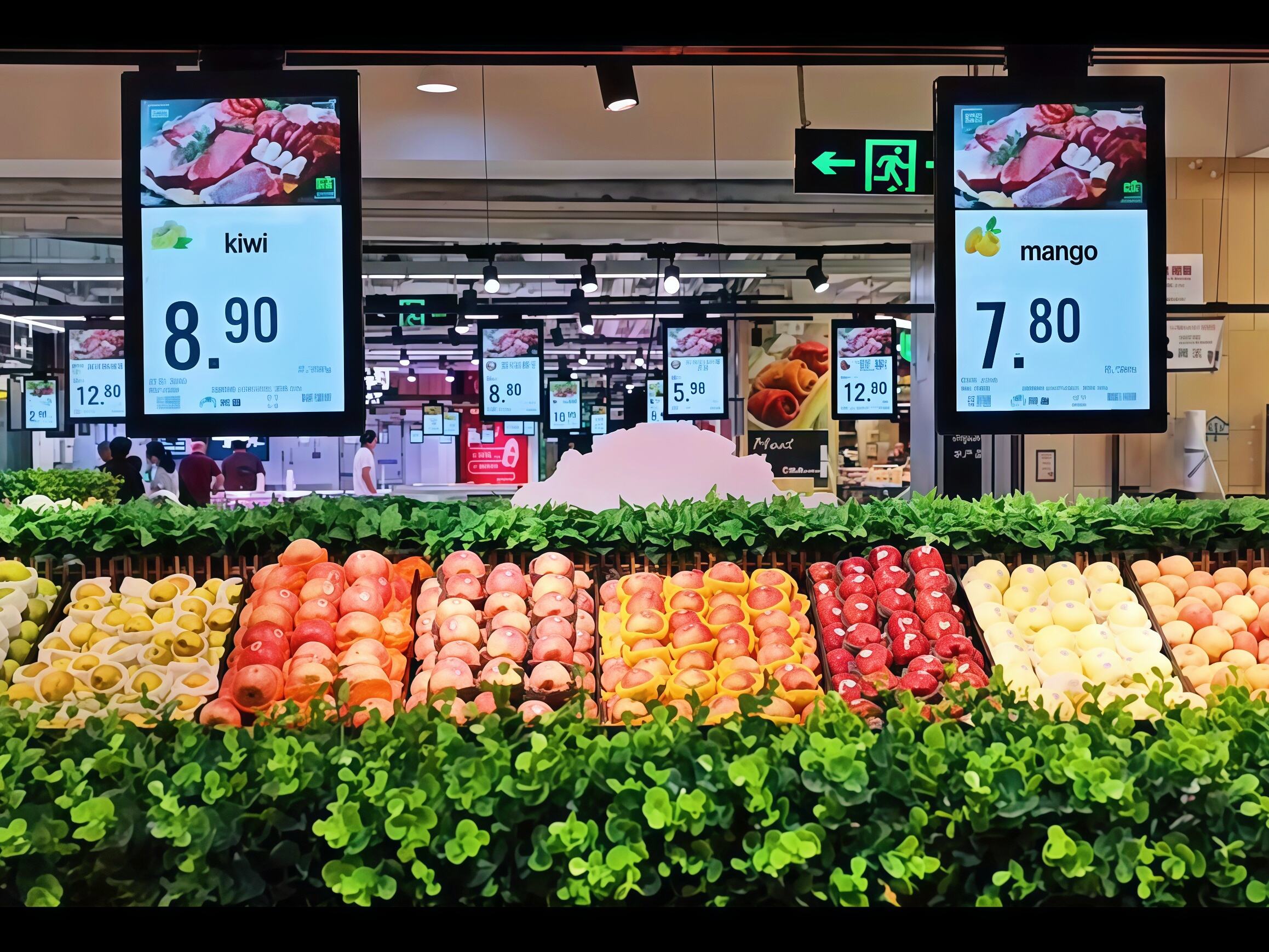
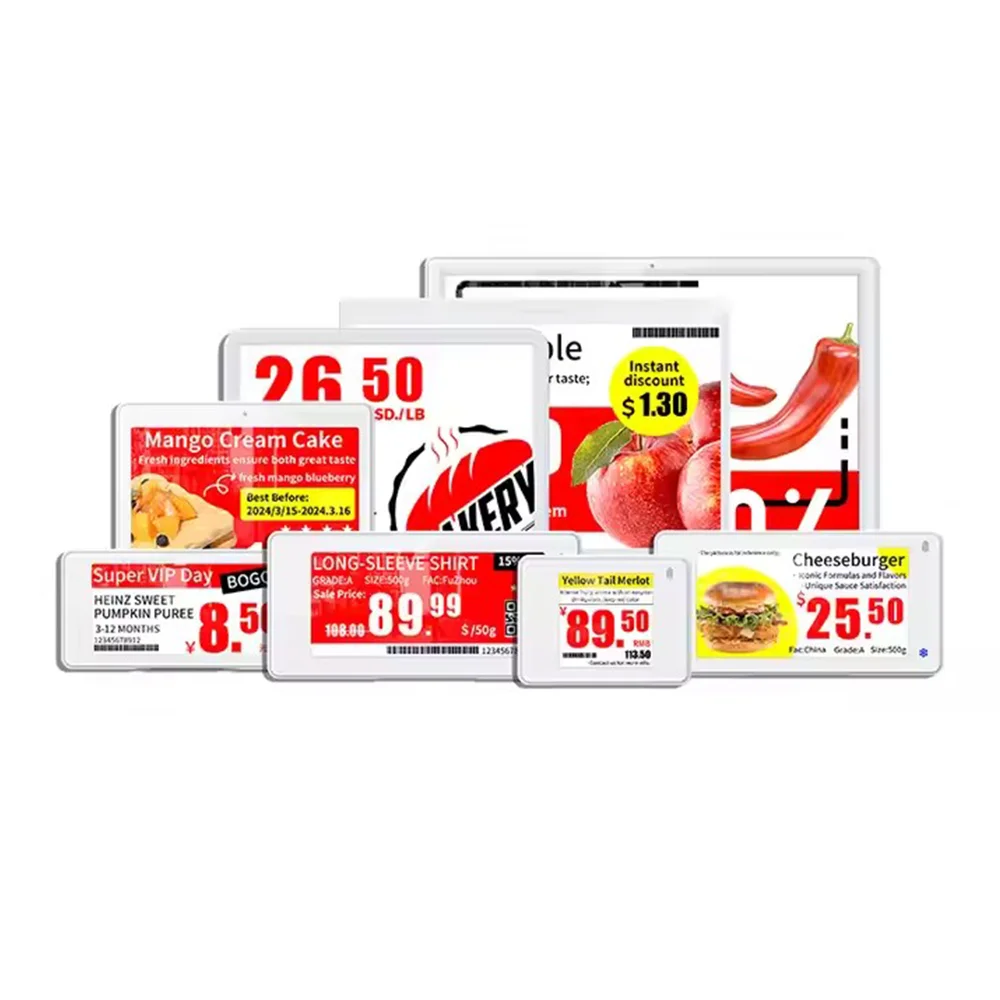
Contemporary electronic shelf labels employ various display technologies optimized for retail environments. E-ink displays provide excellent readability with minimal power consumption, making them ideal for basic pricing applications. LCD screens offer enhanced functionality with color capabilities and dynamic content display options that support rich promotional messaging.
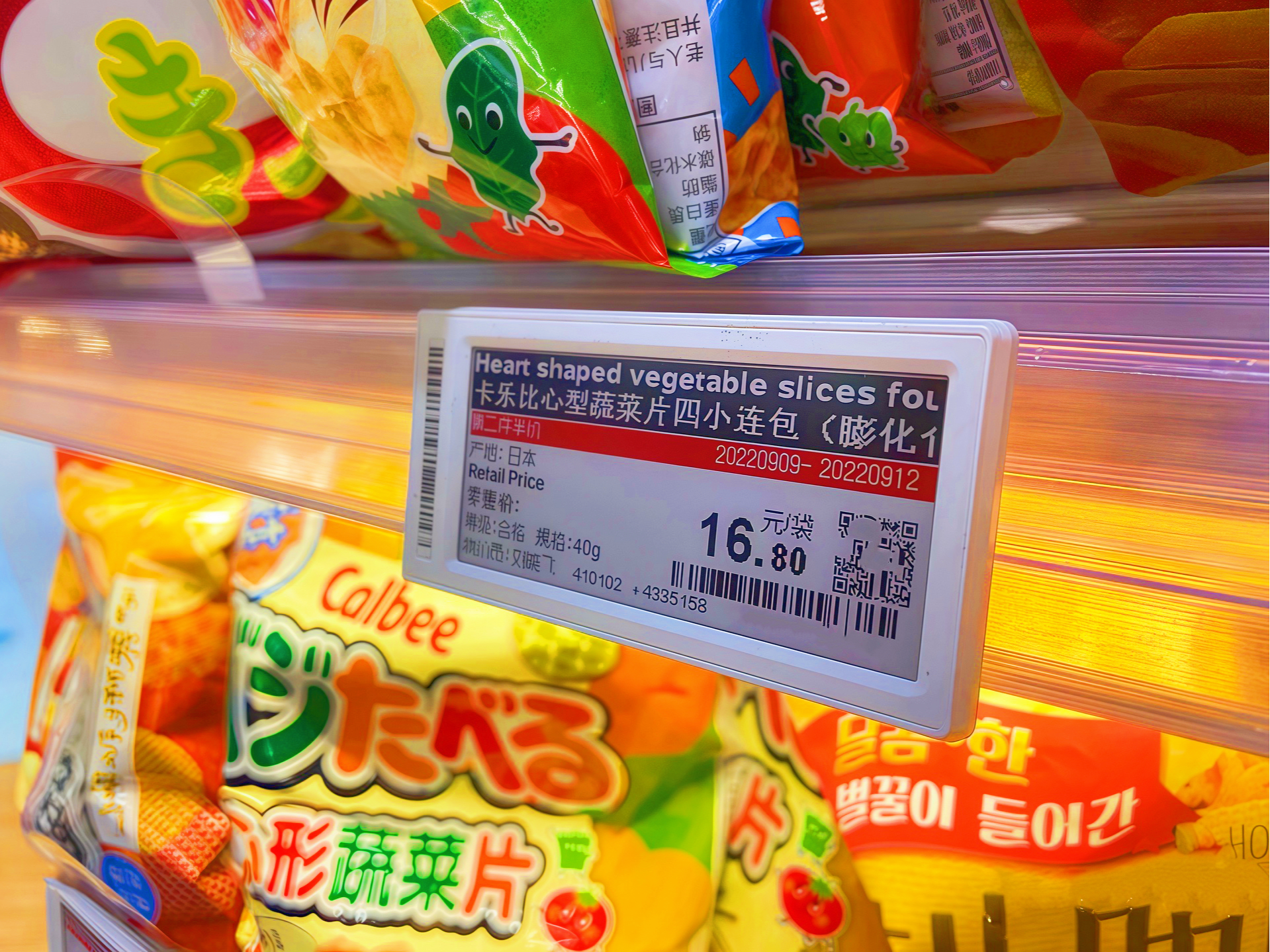
Multi-color displays enable retailers to implement sophisticated visual merchandising strategies through their pricing labels. Different colors can indicate sale prices, clearance items, or product categories, helping customers navigate stores more efficiently. Some advanced labels include LED indicators that flash during promotional periods or when inventory levels reach predetermined thresholds.
Temperature resistance and durability features ensure reliable operation across diverse retail environments. Labels function effectively in refrigerated sections, outdoor displays, and high-temperature areas without compromising display quality or communication reliability. Weather-sealed housings protect internal components from moisture and dust, extending operational lifespan significantly.
Implementing digital price tags dramatically reduces labor costs associated with manual price updates throughout retail operations. Store associates previously spent hours weekly changing paper labels can redirect their efforts toward customer service and sales activities. This reallocation of human resources improves overall store productivity while enhancing the shopping experience for customers.
Automated price synchronization eliminates the risk of human error during label updates, ensuring accuracy across all product displays. Managers can schedule price changes to occur automatically during off-peak hours, reducing disruption to normal store operations. The system tracks update completion status, providing managers with real-time visibility into pricing accuracy across their locations.
Centralized management capabilities allow retail chains to implement consistent pricing strategies across multiple locations simultaneously. Regional managers can adjust prices for entire product categories with a few clicks, ensuring competitive positioning without requiring individual store visits. This centralized approach reduces management overhead while maintaining tight control over pricing strategies.

Dynamic pricing capabilities enable retailers to respond immediately to market conditions, competitor actions, and inventory levels. Electronic shelf labels update prices in real-time based on predetermined algorithms or manual adjustments, allowing for sophisticated revenue optimization strategies. Flash sales and time-limited promotions become practical to implement without advance planning or labor-intensive preparation.
Integration with inventory management systems enables automatic price adjustments based on stock levels, helping retailers clear slow-moving merchandise efficiently. Items approaching expiration dates can receive automatic markdowns to reduce waste and recover costs. These automated responses help maintain optimal inventory turnover while maximizing revenue from perishable goods.
Competitive intelligence integration allows retailers to monitor competitor pricing and adjust their own prices accordingly within minutes rather than days. This responsiveness helps maintain market position while protecting profit margins during competitive pressure periods. Advanced systems can implement complex pricing rules that consider multiple factors including competitor prices, inventory levels, and sales velocity.
Accurate pricing displays build customer trust and reduce checkout disputes that negatively impact shopping experiences. Electronic shelf labels eliminate discrepancies between shelf prices and point-of-sale systems, ensuring customers pay exactly what they expect. This consistency reduces customer service burdens and improves overall satisfaction scores across retail locations.
Clear, professional-looking displays enhance store aesthetics while providing easily readable pricing information. High-contrast displays remain visible under various lighting conditions, helping customers make informed purchasing decisions quickly. The professional appearance of electronic labels contributes to an upscale shopping environment that can justify premium pricing strategies.
Additional product information beyond basic pricing can be displayed on advanced electronic labels, providing customers with nutritional data, ingredient lists, or product specifications. This enhanced information access helps customers make better purchasing decisions while reducing the need for staff assistance. QR codes or NFC capabilities can link customers to detailed online product information or reviews.
Flexible display capabilities enable retailers to implement sophisticated promotional messaging that attracts customer attention effectively. Flashing indicators, color changes, or scrolling text can highlight special offers or new products without requiring additional signage. These dynamic features help drive sales while maintaining clean, organized product displays.
Personalized promotions become possible when electronic shelf labels integrate with customer loyalty programs and mobile applications. Individual customers can receive targeted offers displayed on relevant product labels when they approach specific aisles. This personalization increases engagement and conversion rates while providing measurable return on promotional investments.
Seasonal and event-based promotions can be scheduled and implemented automatically across entire store networks. Holiday pricing, back-to-school sales, or weather-related promotions activate precisely when needed without requiring manual intervention. This automation ensures consistent promotional execution while reducing the workload on store management teams.
Successful electronic shelf label implementation requires careful planning and integration with existing retail technology infrastructure. Retailers must ensure compatibility between their point-of-sale systems, inventory management software, and the electronic label platform. Professional installation services typically handle initial setup, network configuration, and staff training to ensure smooth deployment across retail locations.
Pilot programs in select stores allow retailers to evaluate system performance and identify potential issues before full-scale deployment. These test installations provide valuable insights into customer reactions, operational impacts, and technical requirements specific to individual retail environments. Feedback from pilot programs helps optimize system configuration and staff procedures before expanding to additional locations.
Staff training programs ensure employees understand how to monitor system status, respond to technical issues, and maximize the benefits of electronic shelf label functionality. Comprehensive training covers basic troubleshooting, promotional campaign management, and customer service aspects related to the new technology. Well-trained staff members become system advocates who help drive adoption and success throughout the organization.
Regular maintenance schedules help ensure optimal performance and longevity of electronic shelf label systems throughout their operational lifespan. Battery monitoring systems alert managers when individual labels require attention, preventing unexpected failures that could disrupt pricing accuracy. Proactive maintenance reduces downtime while extending the useful life of system components significantly.
Software updates and security patches require ongoing attention to maintain system performance and protect against potential vulnerabilities. Many electronic shelf label providers offer managed services that handle updates automatically, reducing the technical burden on retail IT departments. Regular updates ensure access to new features and improvements that enhance system functionality over time.
Performance monitoring tools provide insights into system utilization, update success rates, and potential improvement opportunities. Analytics dashboards help managers understand how electronic shelf labels impact sales performance, customer behavior, and operational efficiency. These insights enable continuous optimization of pricing strategies and promotional campaigns for maximum effectiveness.
Electronic shelf label batteries typically last between 3 to 7 years depending on usage patterns, display technology, and update frequency. E-ink displays consume minimal power and can operate for longer periods, while LCD displays with more frequent updates may require battery replacement sooner. Most systems include battery monitoring that alerts managers when replacements are needed, preventing unexpected failures.
Yes, most modern electronic shelf labels are designed to operate reliably in refrigerated and freezer environments. Temperature-rated models function effectively in conditions ranging from -20°C to +50°C without compromising display quality or communication reliability. Specialized housings protect internal components from condensation and extreme temperature fluctuations common in cold storage areas.
Electronic shelf labels continue displaying current information during network interruptions, ensuring pricing remains visible to customers. When connectivity is restored, labels automatically synchronize with the central management system to receive any pending updates. Most systems include backup communication protocols and redundant network infrastructure to minimize connection disruptions in retail environments.
Price updates can be implemented across thousands of electronic shelf labels within minutes of initiation from the central management system. The actual update speed depends on network capacity and the number of labels requiring changes, but most retailers can complete store-wide price changes in 5-15 minutes. Emergency price updates for individual products can be completed within seconds of system activation.
 Hot News
2024-09-14
2024-11-18
2023-11-14
2023-04-12
2019-07-11
We specialize in advanced electronic retail solutions to streamline operations and smarten up the shopping experience.