EN
EN

Grocery retailers using paper labels spend 10–15 hours weekly on manual price updates—a process prone to human error. A 2023 Ponemon study found that 7% of shelf-checkout mismatches stem from delayed or incorrect label changes, costing retailers $740k annually in shrinkage and customer disputes.
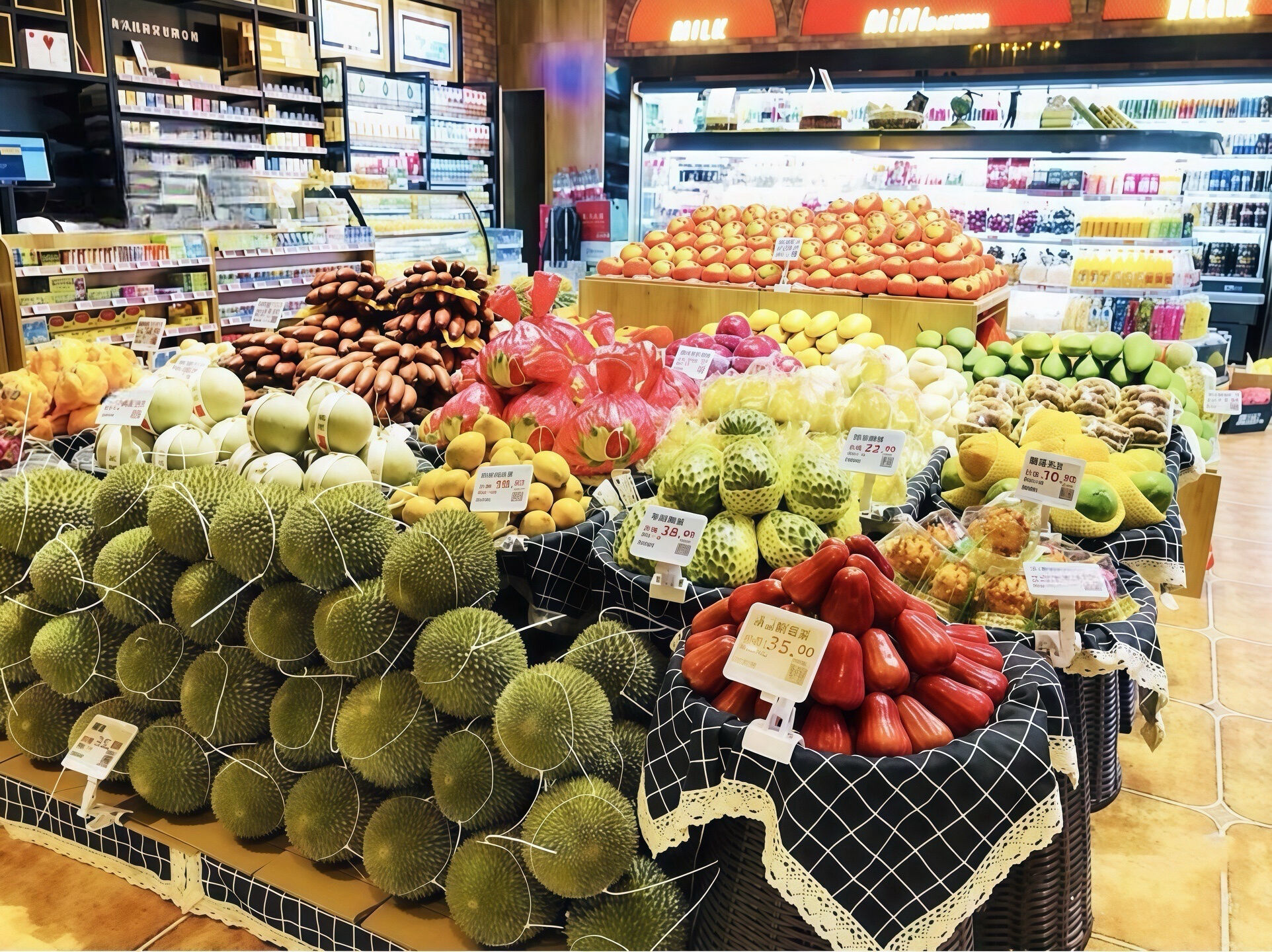
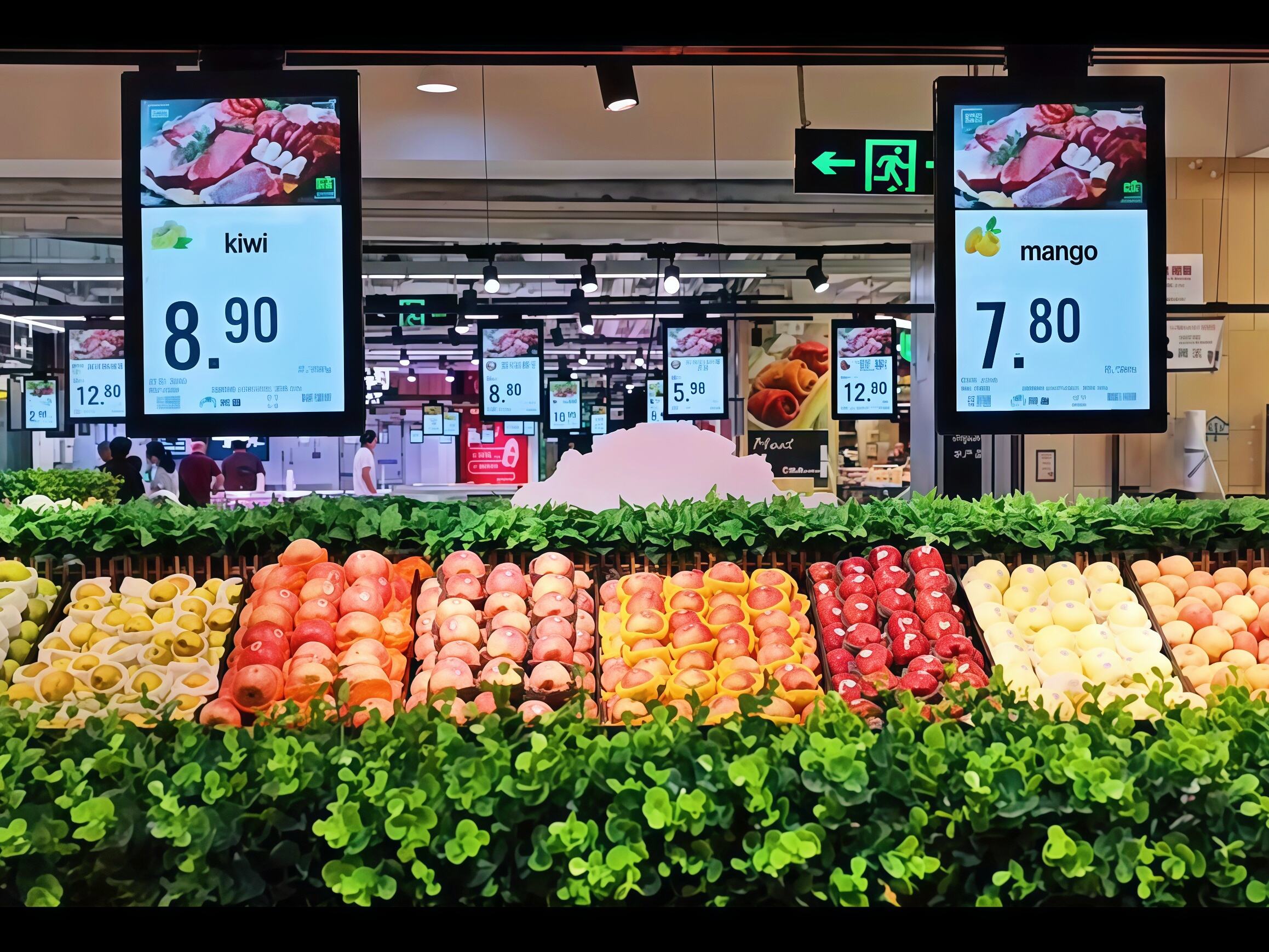
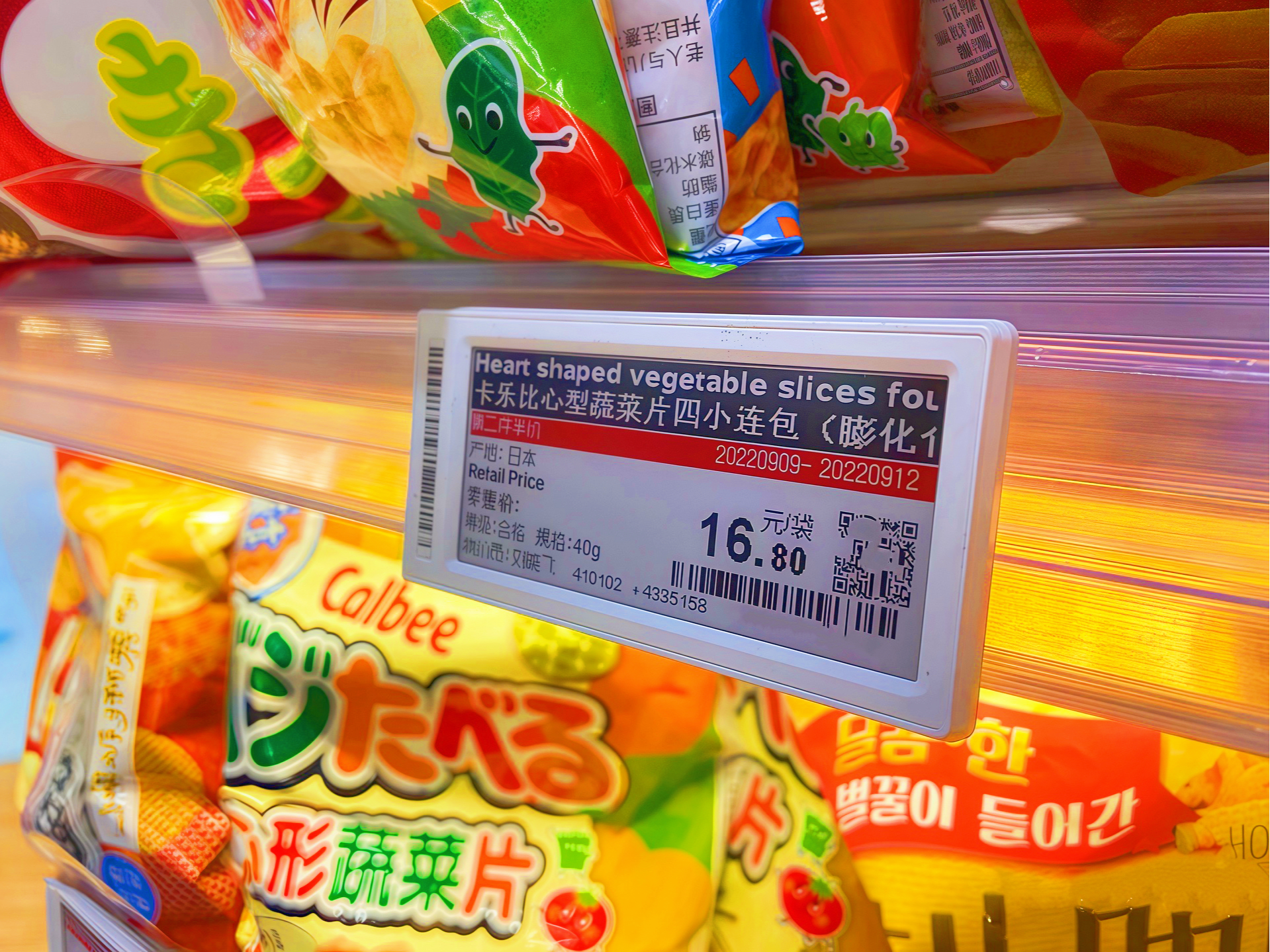
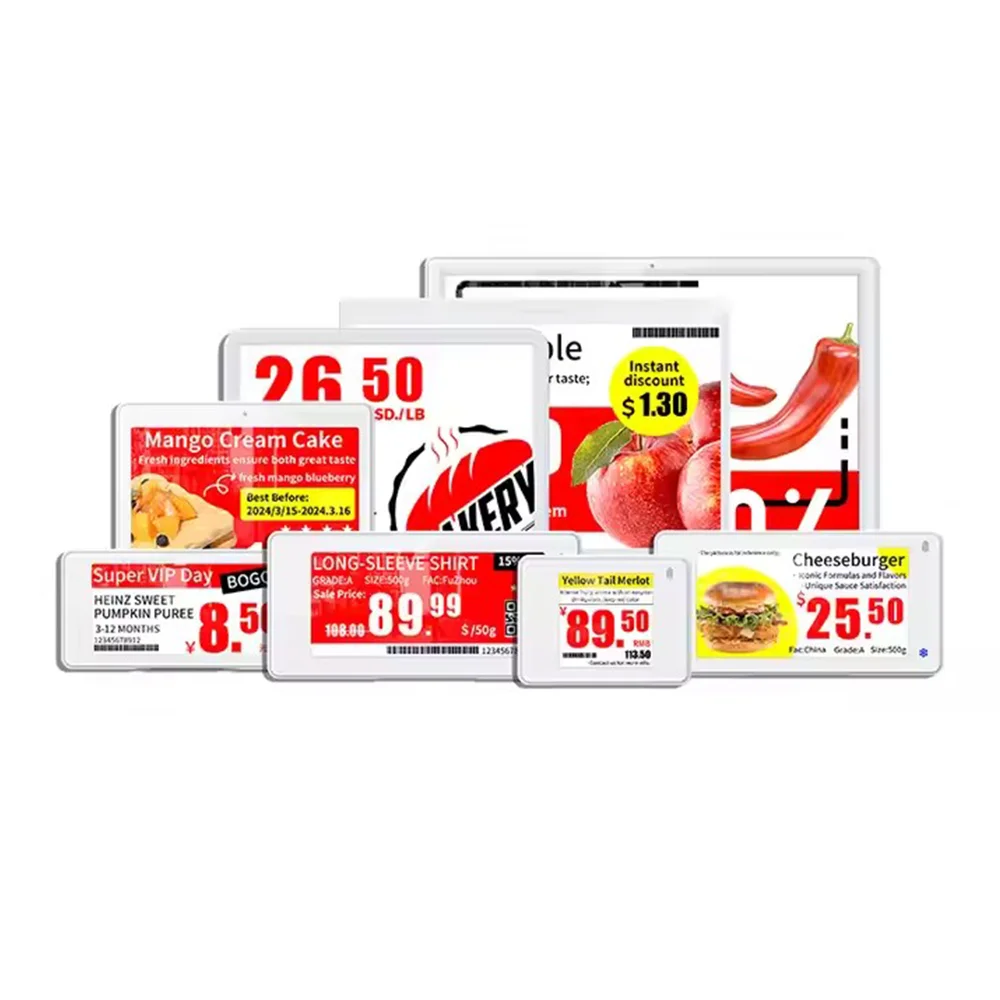
Electronic Shelf Labels (ESLs) eliminate manual workflows by wirelessly synchronizing pricing data from centralized systems to shelf displays. Retailers can update prices across departments in seconds—whether adjusting seasonal produce costs or flash-sale promotions—ensuring 100% consistency between shelves, POS systems, and online platforms.
A U.S. grocery chain reduced pricing errors by 95% after adopting ESLs, enabling dynamic adjustments for over 20,000 SKUs daily. During peak holiday demand, the system automatically increased prices on high-traffic items by 8–12%, boosting margins without affecting foot traffic.
| Dynamic Pricing Strategy | ESL-Enabled Benefit |
|---|---|
| Time-sensitive discounts | Adjust promotion end times remotely |
| Competitor-based pricing | React to market changes in <2 minutes |
| Demand-driven markdowns | Automate perishable goods price reductions |
63% of retailers now prioritize ESL adoption to support these strategies (GroceryTech 2023).
Centralized ESL platforms unify pricing rules across produce, dairy, and non-perishables, ensuring compliance with regional regulations. Stores using unified systems report 30% faster rollout of cross-department promotions and 18% higher staff productivity due to reduced relabeling tasks.
Up to 8% of items in traditional stores suffer from shelf-to-checkout price mismatches caused by manual updates and promotional timing gaps. These discrepancies cost retailers $740k annually in lost trust and price-match refunds (Ponemon 2023).
Electronic Shelf Labels (ESLs) sync with centralized databases to eliminate human errors in pricing. Retailers using automated systems report a 60% increase in pricing accuracy by aligning shelf tags with POS systems in real time.
A 2024 retail tech survey found stores using ESLs reduced pricing disputes by 91% within six months. Early adopters saved more than 260 staff hours monthly previously spent correcting label errors.
Regular API audits and dual-server failovers prevent mismatches between ESLs and inventory management platforms. Leading systems now achieve 99.97% sync reliability through cloud redundancy.
Retailers following these protocols achieve 98% pricing consistency across physical and digital channels.
Retailers managing 10,000+ SKUs waste over 50 hours weekly on manual price changes, especially during promotions or seasonal shifts. In multi-location chains, inconsistent labeling practices increase audit risks and customer complaints.
Electronic Shelf Labels (ESLs) eliminate paper-based workflows through centralized price management. A single system update adjusts all relevant shelf tags simultaneously, reducing label-related labor by 60–80% (Retail Tech Quarterly 2024). This automation minimizes human error while freeing teams for higher-value tasks.
A national grocery chain reduced staffing costs by 30% within six months of ESL implementation. According to a 2024 operational analysis, the system automated 92% of price changes, reclaiming 15+ weekly hours per store for customer-facing roles.
With ESLs handling repetitive tasks, one retailer reassigned 20% of floor staff to personalized shopper assistance, increasing upsell conversion rates by 14% and NPS scores by 18 points year-over-year.
Key ROI drivers include:
Most organizations achieve full ESL system payback within 26 months through these combined efficiencies.
Old school retail systems tend to work on their own, which creates those pesky data silos that hold back price changes and mess up inventory counts. The latest Retail Tech Trends Report from 2025 shows something interesting about this problem. Around two thirds of all stores are dealing with efficiency issues because their point of sale, enterprise resource planning, and inventory systems don't talk to each other properly. When these systems aren't connected, staff end up having to check information across multiple places manually. And guess what? That leads to mistakes happening way more often. Some research from Retail Systems Research back in 2023 found error rates going up nearly 18 percent when people have to do this kind of double checking.
Electronic shelf labels (ESLs) eliminate manual workflows by syncing dynamically with central pricing databases and inventory systems. Real-time bidirectional communication ensures shelf prices always match POS terminals, while stock levels auto-update across all channels. Retailers using integrated ESL systems reduce pricing synchronization delays from hours to milliseconds.
A Midwest grocery chain achieved a 20% reduction in out-of-stock incidents after connecting ESLs to its ERP system. Sensors detected low inventory levels during peak shopping hours, triggering automated replenishment alerts to warehouse teams. This integration slashed manual stock checks by 85% while improving on-shelf availability for high-demand items.
Electronic Shelf Labels equipped with IoT sensors can track inventory at the aisle level, helping spot where products are disappearing and what items customers want most. According to recent research on smart retail tech, stores that implement these systems typically hit around 92% accuracy in their inventory counts, while traditional stores without such technology only reach about 78%. When shelves get low, automated systems kick in to place new orders, cutting down on overstock situations by roughly 30%. This frees up money that businesses can then put toward other important areas instead of tying it up in excess merchandise.
Integrated ESL systems enhance omnichannel efficiency through pick-to-light technology, where digital shelf labels guide warehouse staff to exact item locations. This method reduces picking errors by 45% compared to paper-based systems, enabling stores to fulfill curbside pickup orders 20% faster.
Traditional paper shelf tags create significant environmental harm, with large retailers using over 1.2 million labels per store annually. These disposable tags contribute to deforestation, landfill waste, and carbon emissions from printing and transportation.
ESLs replace paper tags with reusable digital displays made of durable e-ink screens and energy-efficient components. A single ESL device lasts 5–7 years, eliminating the need for 15–20 paper label replacements per product each year. Leading retailers also adopt closed-loop recycling programs, recovering 92% of ESL materials for reprocessing.
Stores adopting digital labels reduce paper consumption by 10.3 tons annually per location—equivalent to preserving 247 trees each year. This aligns with findings from recent research on retail sustainability, which highlights how centralized ESL systems cut resource waste while maintaining pricing agility.
73% of shoppers prefer brands with verified eco-friendly practices. Retailers using ESLs gain a measurable sustainability story to highlight in campaigns—reducing waste while meeting consumer demand for ethical operations. This strengthens brand loyalty among climate-aware demographics, with 68% willing to pay premiums for sustainable retail experiences.
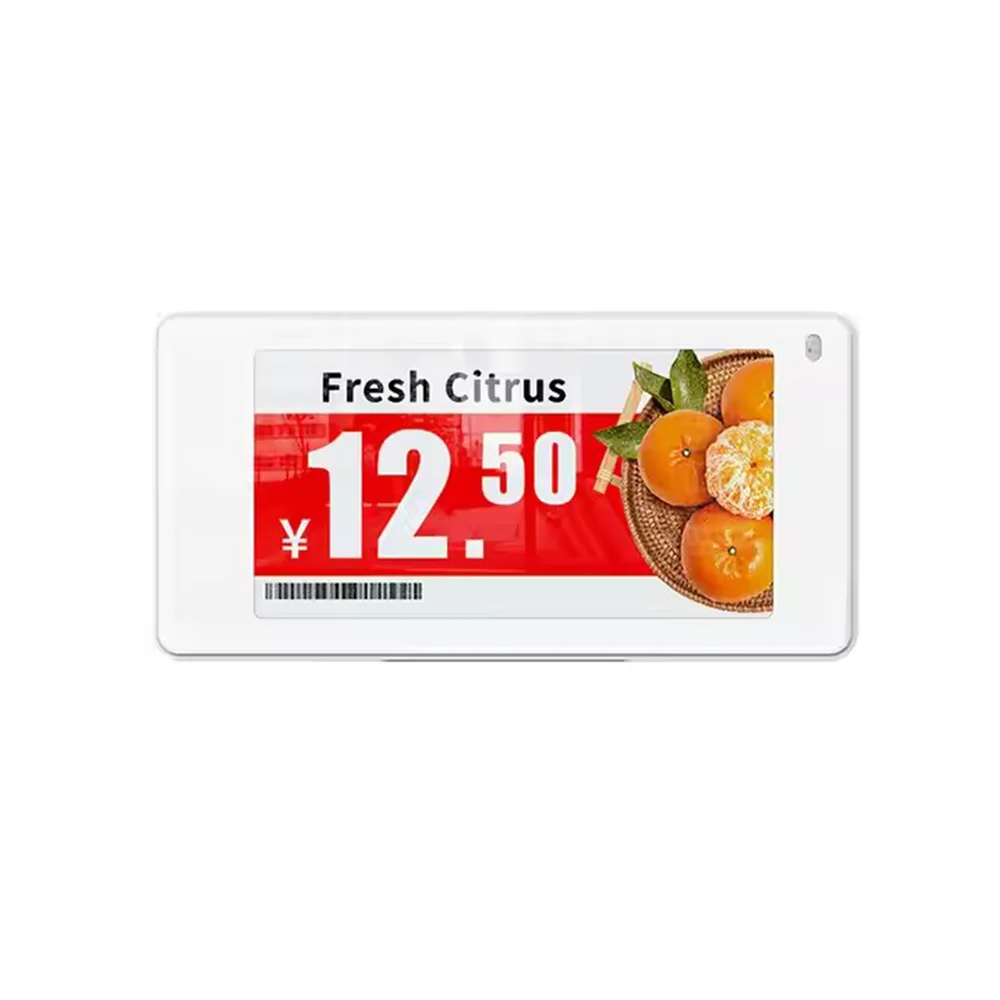
Electronic Shelf Labels are digital displays that show prices and other product information, connected to centralized systems for real-time updates.
ESLs sync with centralized databases to eliminate human errors, ensuring consistency between shelf prices, POS systems, and online platforms.
Benefits include labour cost savings, improved pricing accuracy, inventory optimization, and reduced paper waste.
A single ESL device typically lasts 5-7 years.
ESLs eliminate the need for paper tags, significantly reducing environmental waste associated with paper label usage.
 Hot News
2024-09-14
2024-11-18
2023-11-14
2023-04-12
2019-07-11
We specialize in advanced electronic retail solutions to streamline operations and smarten up the shopping experience.