EN
EN
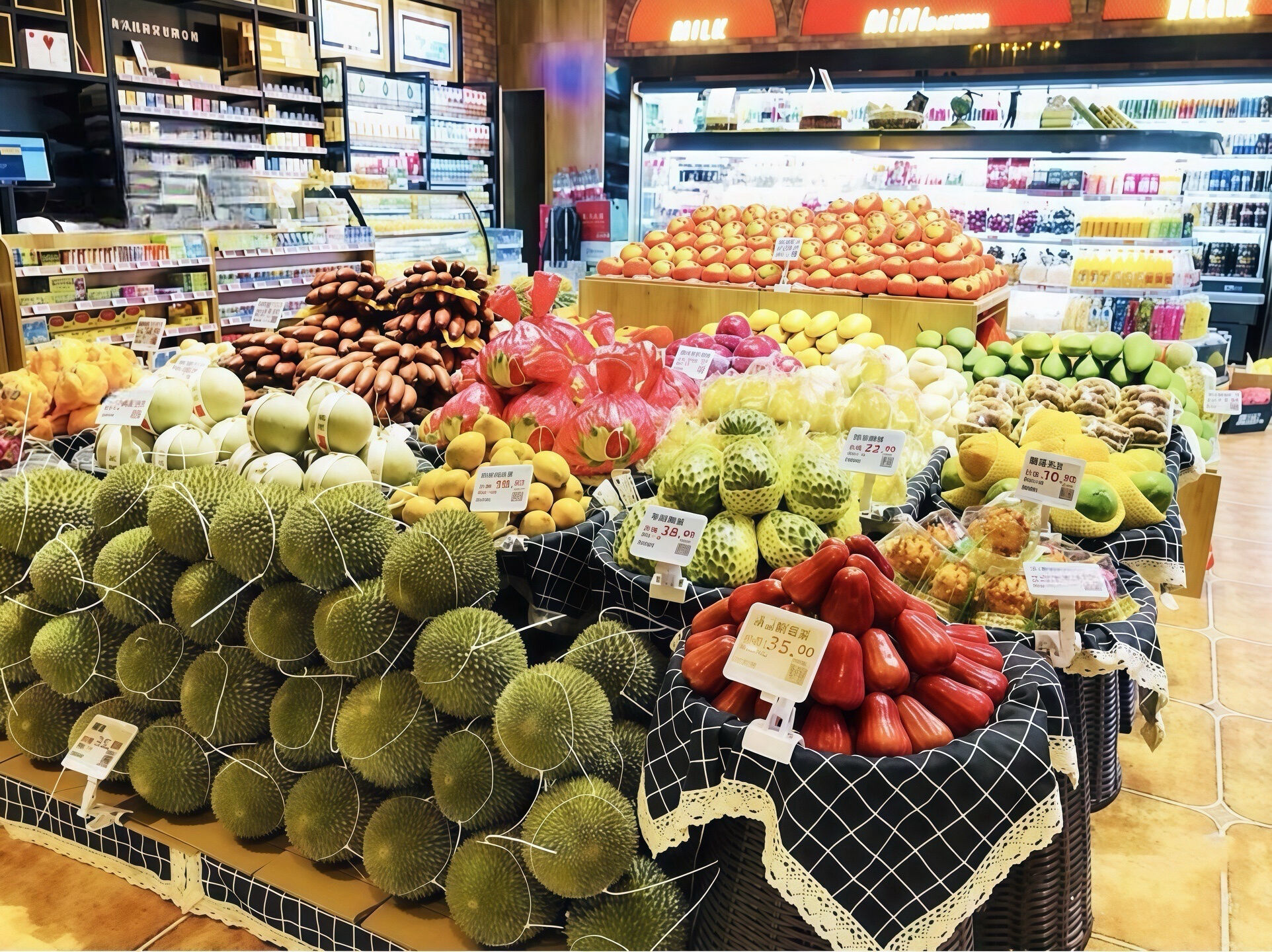
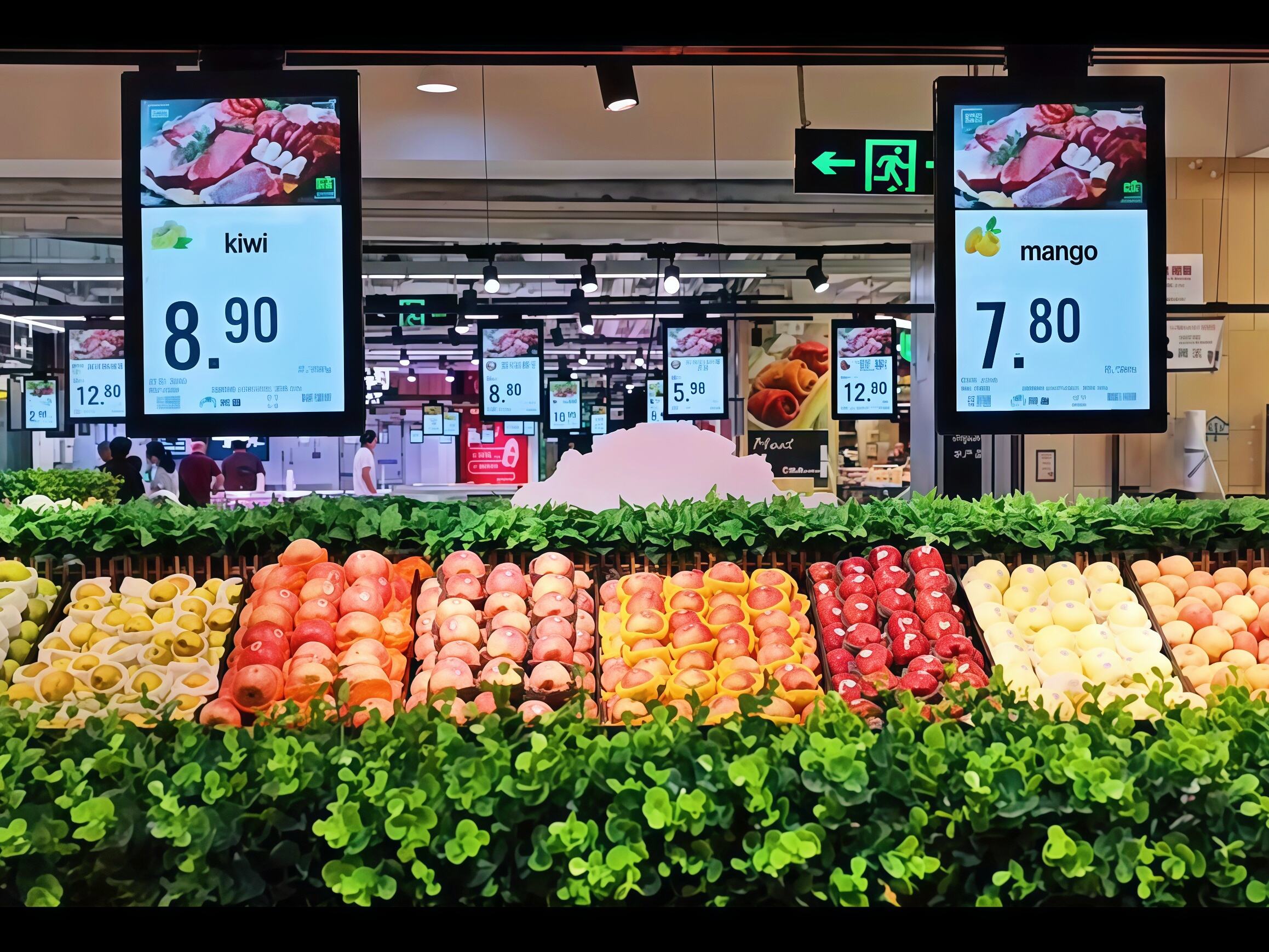
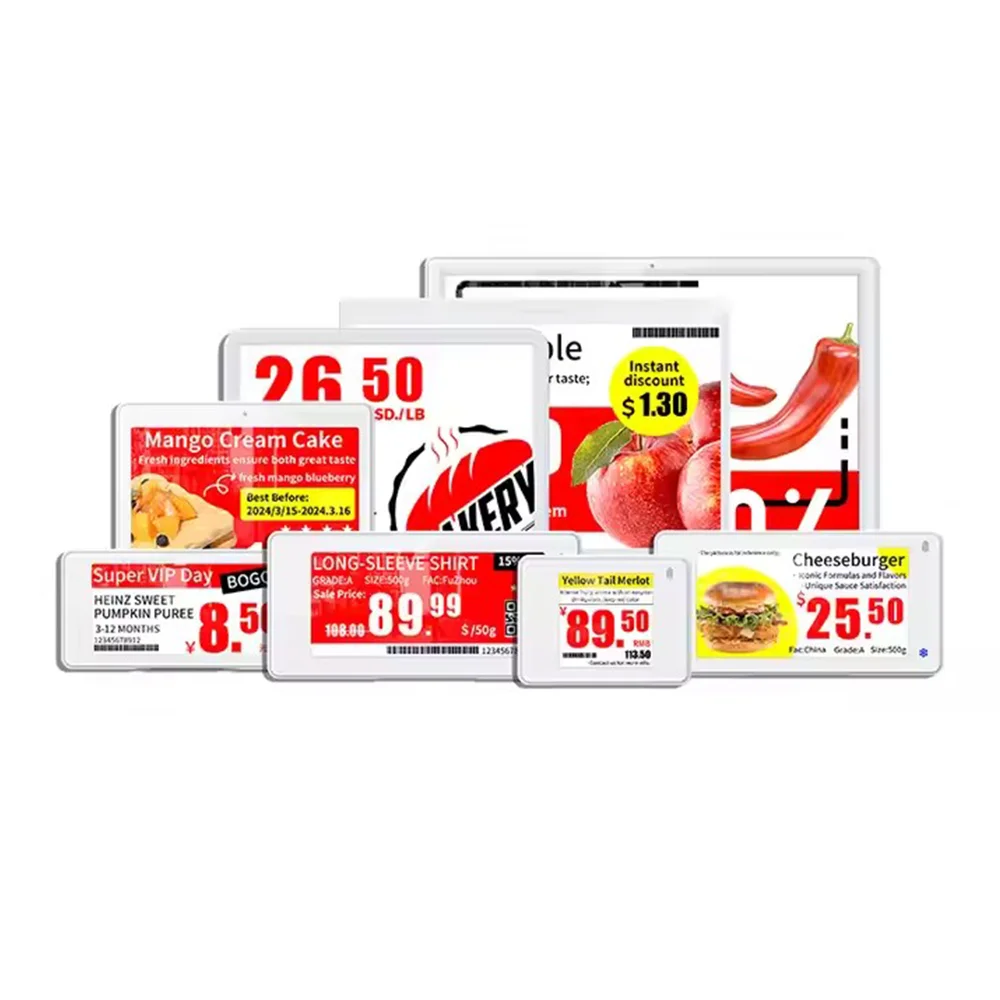
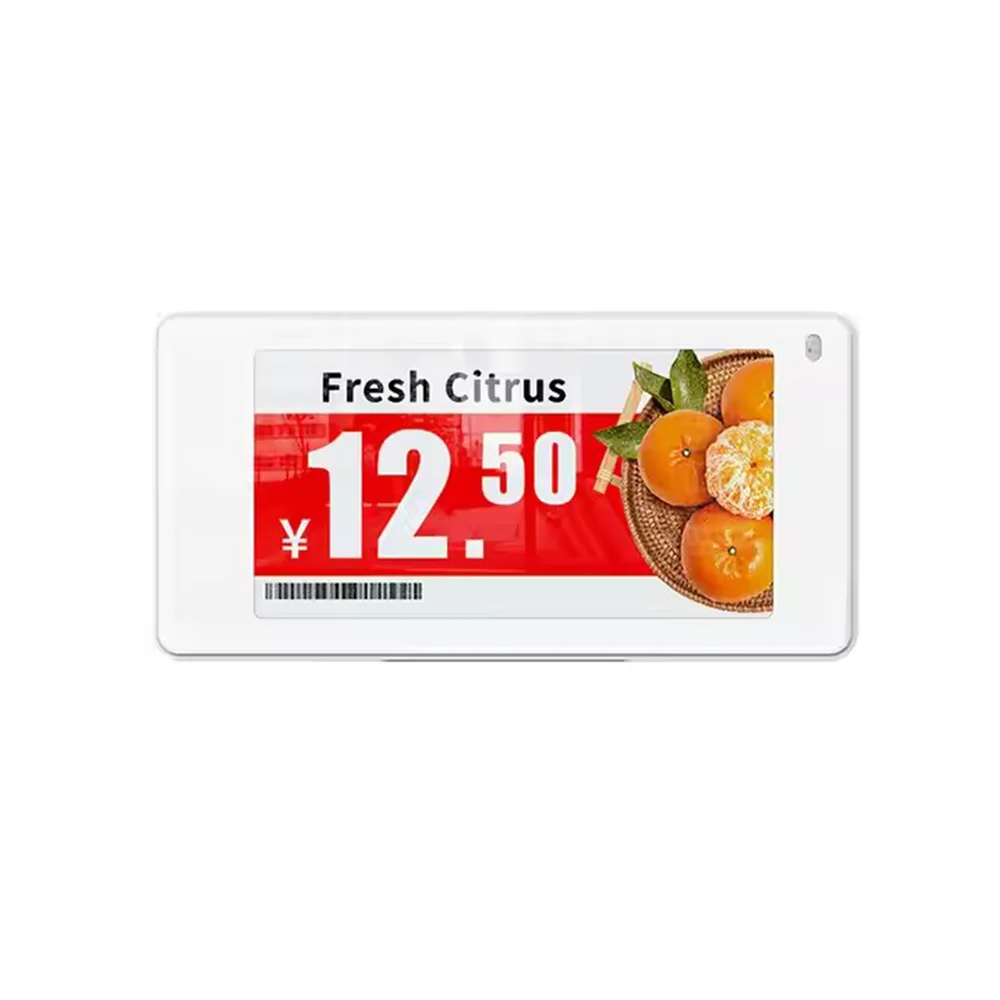
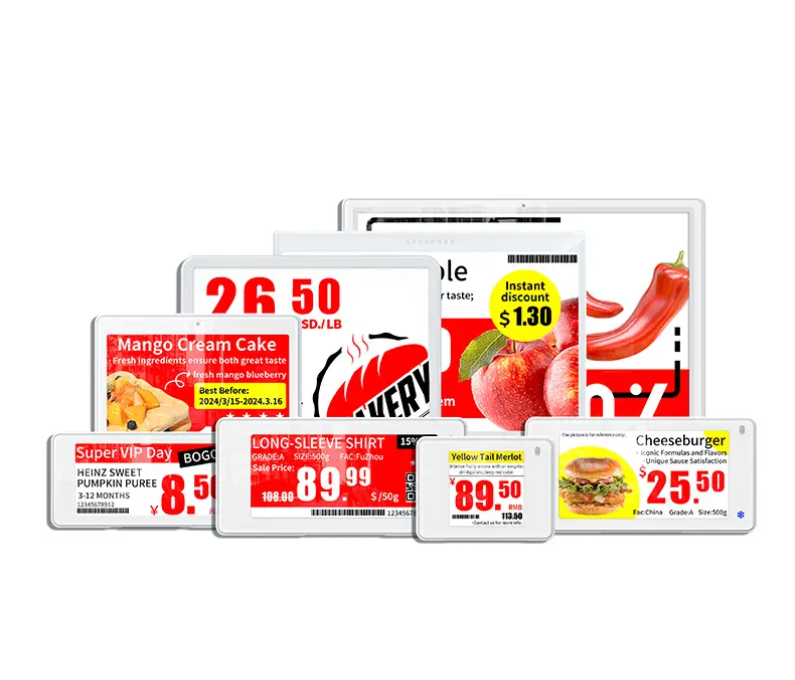
Most stores stick to three basic types of shelf labels these days. There are those primary info tags that tell customers what product they're looking at, then there are the promotional markers that highlight sales or special offers, and finally we get category specific identifiers which help organize different sections. According to research from last year on how retailers label their products, stores that used color coding saw their staff pick items off shelves 32% faster during busy periods. For things that go bad quickly, electronic labels equipped with either NFC chips or e-paper tech let prices change instantly when needed. And down in the frozen food aisle where regular paper just won't cut it, stores rely on tough polyester tags that stay legible even after being exposed to extreme cold for weeks at a time.
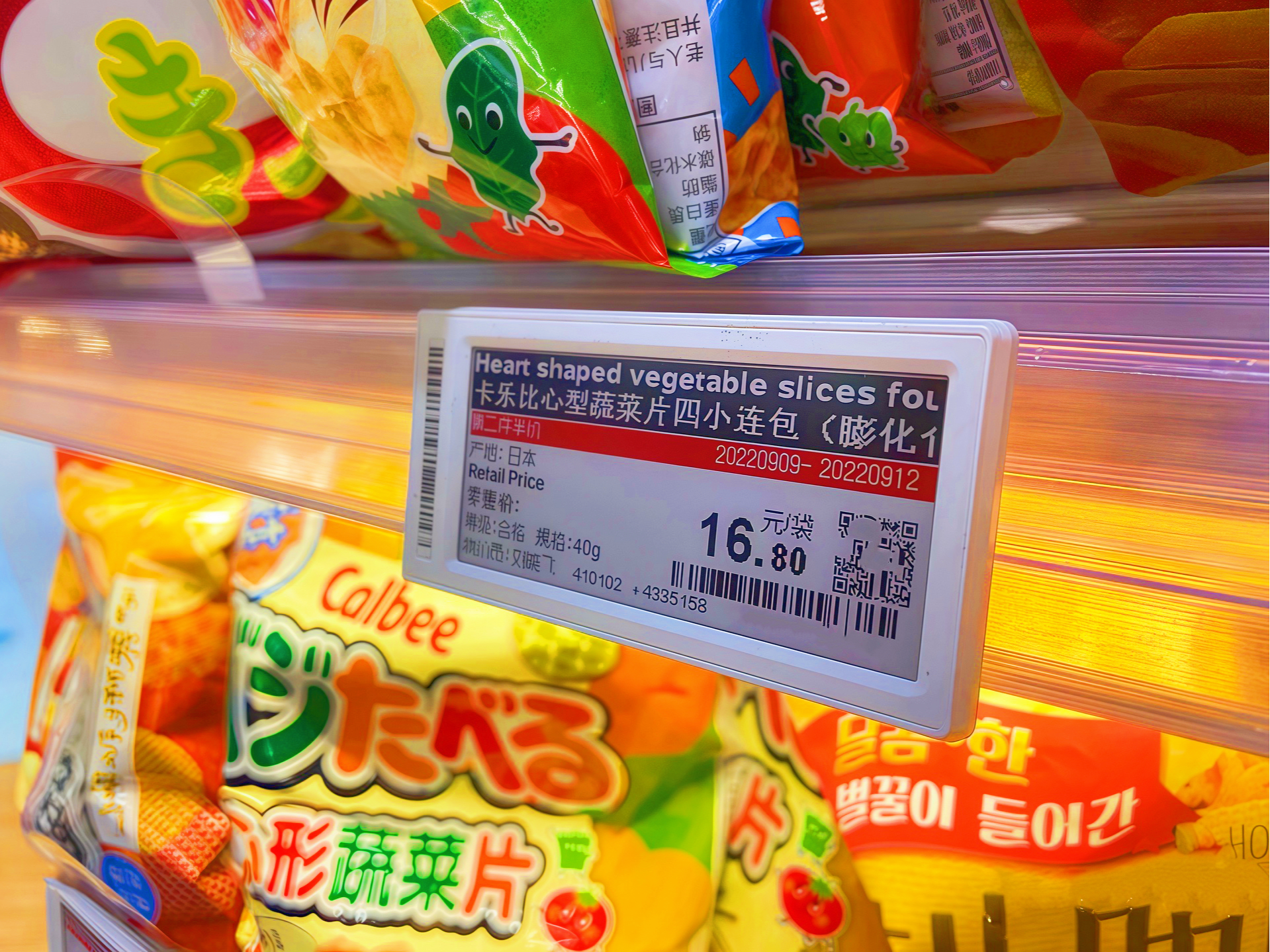
The main labels on products typically show important stuff like prices printed at least 24 points big and those hard-to-read SKU numbers in colors that stand out against whatever background they're on. Then there are these secondary stickers with smaller 12 point text that either tell customers about special deals or have those little square codes people scan with their phones to see more info about the product specs. Stores that organize their labels this way actually help shoppers find what they need faster. According to some recent tests, around two thirds of people said they could navigate through stores much better when products had this kind of layered labeling system instead of everything being crammed together in one spot.
Moisture-resistant polyester is standard in grocery cold chains, while glare-resistant digital displays are preferred for electronics.
Pharmacies need those standard labels showing how much medicine to take and what batch it came from. Supermarkets go another route entirely, using red, amber, green color schemes on packaging to help shoppers quickly spot healthy options. Some cool new stuff happening too - pharmacies now have these FDA approved smart labels that light up when medication needs refrigeration, while high end shops slap RFID chips on designer items to fight counterfeits. A recent market report from last year found something interesting: specialty stores are jumping on board with digital shelf labels way faster than regular retail outlets, clocking in around three times the adoption rate. Makes sense really, since managing stock across online and physical locations gets so complicated otherwise.
Good shelf labels focus on what matters most to shoppers like prices and ingredient lists all while keeping things simple to look at. According to a recent Nielsen report from 2023, around two thirds of people actually steer clear of products that have messy labels because they think those might be hiding some hidden charges somewhere. The best approach? Go modular. Think about dividing up space with lines or different colored areas so promotional stuff doesn't get mixed in with the basic info everyone needs first glance. This way stores can still pack in all necessary details without making customers feel overwhelmed when browsing aisles.
Text smaller than 10pt becomes difficult for 41% of shoppers over 50 to read (AARP 2024), so 12pt is the recommended minimum for key details. A clear three-tier hierarchy enhances scannability:
Research shows high-contrast typography improves shelf scanning speed by 29% compared to decorative fonts.
Dairy labels prioritize expiration datesâ88% of shoppers look for this firstâusing left-aligned red text for quick recognition. In contrast, electronics labels emphasize warranty periods and compatibility through icon-led bullet points. When implemented in a Midwest grocery chain during a 2023 pilot, these category-specific adaptations reduced customer service inquiries by 17%.
Shelf labels need to stay readable and stick properly even when faced with all sorts of environmental issues. Polyester works pretty good in cold storage areas because it resists moisture pretty well. Tests show it keeps about 78% of its original strength when exposed to high humidity levels. Vinyl material stays pliable through a wide temperature range, from as low as minus 20 degrees Celsius right up to 60 degrees Celsius, which makes it suitable for stores where temperatures fluctuate throughout the day. When putting up signs outside, going with UV resistant laminates makes sense since they stop around 92% of color loss after a year compared to regular materials according to research published by Cadre Technologies back in 2023.
| Material | Print Resolution | Light Reflectance | Cost Per 100 Labels |
|---|---|---|---|
| Glossy Paper | 300 dpi | 85% | $4.20 |
| Polyester | 600 dpi | 92% | $14.50 |
| Matte Vinyl | 480 dpi | 78% | $9.80 |
Polyester ensures sharp barcode printing with a 99.9% first-pass scan success rate. Matte vinyl's low reflectance minimizes glare under LED lighting, improving readability in bright aisles.
Acrylic-based adhesives retain 90% bond strength on textured metal after 180 days, outperforming rubber-based alternatives by 34% in peel tests. On glass, silicone adhesives withstand repeated cleaning without residue, making them ideal for display cases.
While paper labels reduce initial costs by 62% compared to synthetics, they require more frequent replacementâresulting in triple the lifetime cost in high-traffic areas. Industry leaders recommend conducting accelerated aging tests tailored to specific store conditions to validate material durability before large-scale deployment.
Regulatory requirements for shelf labels are pretty strict these days if companies want to stay compliant and keep customers trusting their products. When it comes to food items, labels need to clearly state any allergens present plus all those nutrition facts according to what the FDA says is necessary. For meds and supplements, things get even stricter as they have to stick closely to World Health Organization standards about how much of each ingredient goes where. Looking at recent data from last year's retail checks shows there was quite a problem with cosmetics labels too. About one out of every five didn't list ingredients properly which cost businesses around seven hundred forty thousand dollars per violation on average according to Consumer Safety Board reports from 2023.
GS1-128 barcodes integrated into shelf labels enable real-time inventory tracking, reducing discrepancies by 63% compared to manual systems (Logistics Journal 2022). Labels combining machine-readable codes with clear human-readable text optimize both shopper experience and backend logistics.
RFID-enabled labels helped reduce packaging waste by 29% in European grocery trials (Green Retail Initiative 2023), while NFC tags allow smartphone-based product verification. Despite a 35% higher initial cost, 81% of retailers in a 2024 survey said they prioritize biodegradable materials to align with sustainability goals.
Retailers generally use three main types: primary info tags for product identification, promotional markers for sales, and category-specific identifiers for organization.
Effective labeling uses color coding and electronic tags to improve efficiency, helping staff and customers quickly locate products.
Polyester is ideal for cold storage, vinyl for temperature fluctuations, and UV-resistant materials for outdoor signage.
Layered labels with a hierarchy improve shopper navigation and enhance the visibility of promotions without clutter.
Shelf labels must comply with food, pharmaceutical, and cosmetic labeling standards, including clear ingredient lists and allergy notifications.
Smart labels such as RFID and NFC tags reduce packaging waste and allow for real-time inventory management, aligning with sustainability goals.
 Hot News
2024-09-14
2024-11-18
2023-11-14
2023-04-12
2019-07-11
We specialize in advanced electronic retail solutions to streamline operations and smarten up the shopping experience.