EN
EN

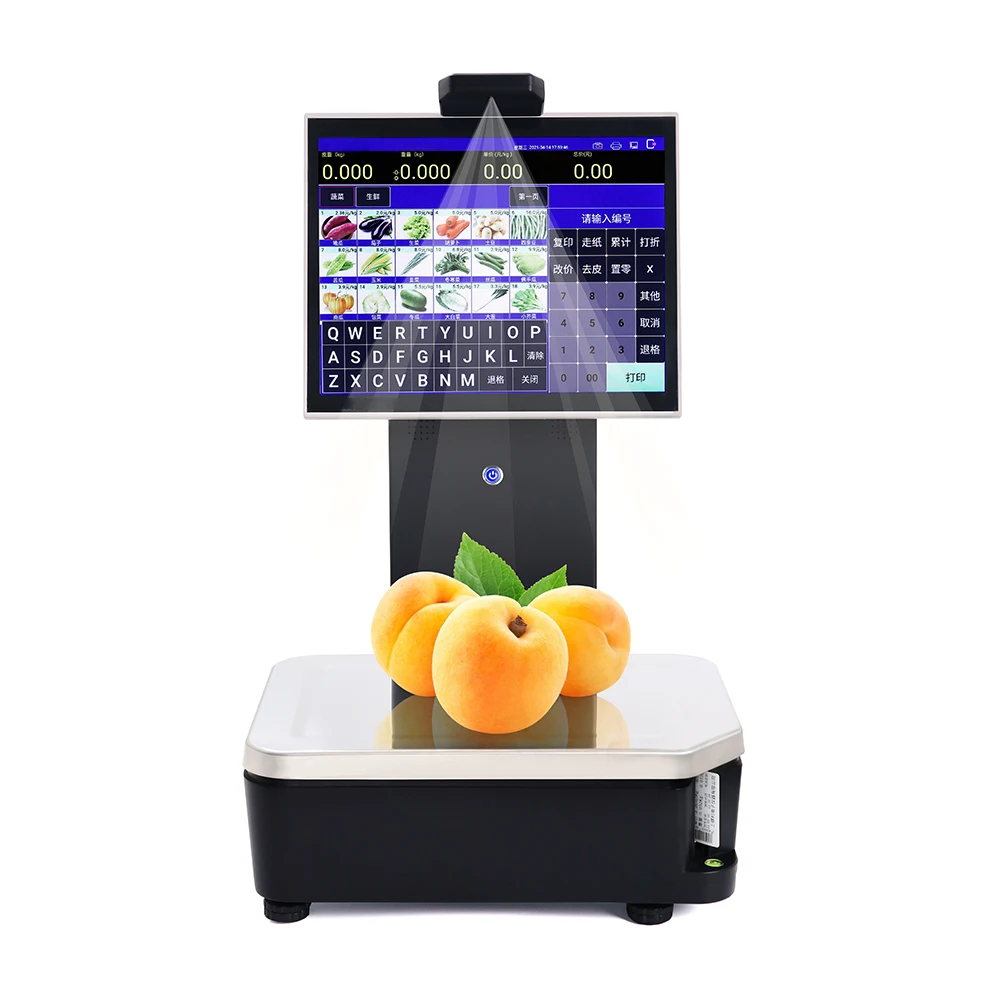
Smart scales now merge high precision sensors with machine learning tech to process weight information instantly, way past what regular scales can do. Regular digital scales just show numbers on a screen, but these advanced systems actually keep tabs on stock levels, spot weird patterns, and even forecast when products need restocking. The better versions catch problems like items out of place or sudden drops in weight with around 92 percent accuracy according to Retail Tech Review from last year. This means stores can fix issues fast before anything gets wasted or lost completely.
Connecting AI scales to point of sale systems and inventory management software creates these neat little closed loop systems that update stock levels automatically whenever a transaction happens. What this means for stores is fewer mistakes when people count items manually something that drops error rates around 45 percent according to industry reports. Employees spend less time on paperwork too since reports get generated automatically. Looking ahead, the market for AI powered retail automation seems pretty hot right now. Grand View Research thinks it will grow at nearly 24 percent annually until 2030 as companies develop better ways to take all that scale data and actually do something useful with it. Stores that have implemented these smart scales see their inventory moving out the door about 18 percent faster overall. The difference is especially noticeable with things like fresh produce or dairy products where knowing exactly what's on shelf at any given moment prevents those embarrassing situations where customers ask for something that just got sold out minutes ago.
When we look at past sales data along with seasonal patterns and how markets change, artificial intelligence can predict demand with around 92.5% accuracy, which beats traditional forecasting methods hands down. Stores that implement these smart systems typically see their excess inventory drop by about 35%, while running out of popular items becomes 30% less common according to Startus Insights. Special sensors monitor weight changes in products that sell quickly, and when they notice stock getting low, they send automatic alerts to reorder supplies. This kind of precise monitoring stops stores from buying too much of things that spoil easily, such as fruits and vegetables. The result? Less wasted food overall. We're talking about saving roughly $161 billion worth of food each year that would otherwise go bad because stores bought too much, as noted by the World Economic Forum in 2023.
Load cells built right into storage bins send information to cloud systems approximately every 15 seconds, which keeps inventory records constantly updated. One large supermarket chain saw their restocking mistakes drop by nearly half after implementing these weight based alerts. Traditional barcode scanning just doesn't compare to what AI powered scales can do these days. These smart devices actually calculate exact product counts from weights and highlight when there's a discrepancy between what's physically on shelves versus what shows up in digital records. Industry experts have observed around 30 percent fewer instances where products run out completely for stores that track inventory in real time according to recent market research from Exotec in 2025.
A regional grocer deployed AI scales across dairy and meat departments in 120 stores, achieving significant improvements:
| Metric | Before AI Scales | After 6 Months | Improvement |
|---|---|---|---|
| Spoilage Rate | 8.2% | 5.1% | 37% reduction |
| Waste Costs | $28,500/month | $17,900/month | $127k annual savings |
| Order Accuracy | 78% | 94% | 20% increase |
By correlating weight data with expiration dates and sales velocity, the system optimized stock rotation and delivery schedules. This AI-powered demand forecasting model reduced perishable waste by $740k annually while maintaining 99% in-stock rates for top-selling items.
Smart scales powered by artificial intelligence are transforming how we think about storage spaces. When placed inside those clever smart bins and on store shelves, these devices keep track of exactly how much product is sitting there, both by weight and volume. The system sends alerts to staff members whenever stock starts getting low, so nobody misses a restock opportunity. Looking at some recent research from 2023 involving IoT sensors shows something interesting happened when stores combined their AI scale readings with those smart bin technologies. Perishable food sections saw around 40 percent fewer instances where products were overfilled, which means less wasted food and significantly lower costs for last minute shopping trips to restock shelves.
Integrated with expiration databases, AI scales identify items nearing spoilage and prompt timely action. Restaurants using this dual-tracking approach reported 33% less food waste in 2024 by adjusting menus to feature soon-to-expire ingredients. The technology also ensures portion consistency in prepared foods—an essential advantage for chains managing rising ingredient costs.
Artificial intelligence scales look at past sales numbers along with what's currently sitting on shelves to figure out where waste might happen. A major grocery store actually cut down their fruit and vegetable waste each week by around 28 percent. That means they managed to send about 19 tons worth of extra food every year to their discount bins instead of throwing it away. Some really smart systems go one step further too. They check the weather forecast and see what local happenings there are before making their waste predictions. This approach works so well that the 2024 Circular Economy Report talks about these kinds of waste prediction tools quite a bit, though not everyone agrees they're perfect for all situations.
AI scales deliver measurable financial returns by targeting hidden operational inefficiencies. Retailers report 28% reductions in overstock waste and 19% fewer stockouts within six months (2024 Retail Automation Report), underscoring their role in both cost control and revenue protection.
Machine learning analyzes weight patterns across inventory cycles, uncovering issues invisible to manual audits:
Retailers using AI-powered tracking achieve 18% higher profit margins than peers relying on manual processes (2023 Grocery Tech Study).
| Cost Factor | Traditional Approach | AI Scales Solution |
|---|---|---|
| Inventory Accuracy | 82% | 99% |
| Weekly Labor Hours | 40 | 12 |
| Monthly Spoilage Loss | $7,200 | $2,150 |
A 15-store grocery chain reduced perishable waste by 28% in six months through AI-enabled fill-level monitoring, achieving $4.8M in annual savings without reducing staff.
Most implementations reach ROI within 9 months, driven by:
Early adopters reinvest savings into customer experience enhancements, generating a compounding 14% year-over-year revenue growth effect, according to supply chain analysts.
AI scales enhance reverse logistics by combining weight analysis with visual recognition to assess returned items. High-resolution cameras and machine learning verify product condition, authenticity, and restocking eligibility. One leading provider cut return processing time by 40% after deploying AI scales that automatically flag damaged goods.
By analyzing return history and real-time inventory, AI scales identify common causes of returns. Retailers using predictive models reduced unnecessary returns by 19% by addressing packaging flaws and shipping vulnerabilities. The system reroutes 23% of incoming returns directly to local fulfillment centers, reducing transport waste.
Key impacts:
Integrating AI weighing into reverse logistics closes supply chain loops, supporting both profitability and sustainability goals.
What are AI scales? AI scales are advanced weighing systems that integrate high precision sensors with machine learning technology to monitor stock levels, identify patterns, predict restocking needs, and enhance inventory accuracy in retail settings.
How do AI scales improve retail operations? AI scales improve retail operations by enabling real-time inventory tracking, reducing overstock and stockouts, optimizing waste management, and enhancing overall supply chain efficiency.
What benefits do AI scales offer to small and mid-sized retailers? For small and mid-sized retailers, AI scales offer substantial cost benefits by improving inventory accuracy, reducing labor hours, minimizing spoilage losses, and achieving significant financial savings.
What is the ROI for deploying AI scales? The ROI for deploying AI scales is typically achieved within 9 months, with benefits including labor reduction, decreased disposal fees, improved purchasing accuracy, and overall revenue growth.
 Hot News
2024-09-14
2024-11-18
2023-11-14
2023-04-12
2019-07-11
We specialize in advanced electronic retail solutions to streamline operations and smarten up the shopping experience.