EN
EN

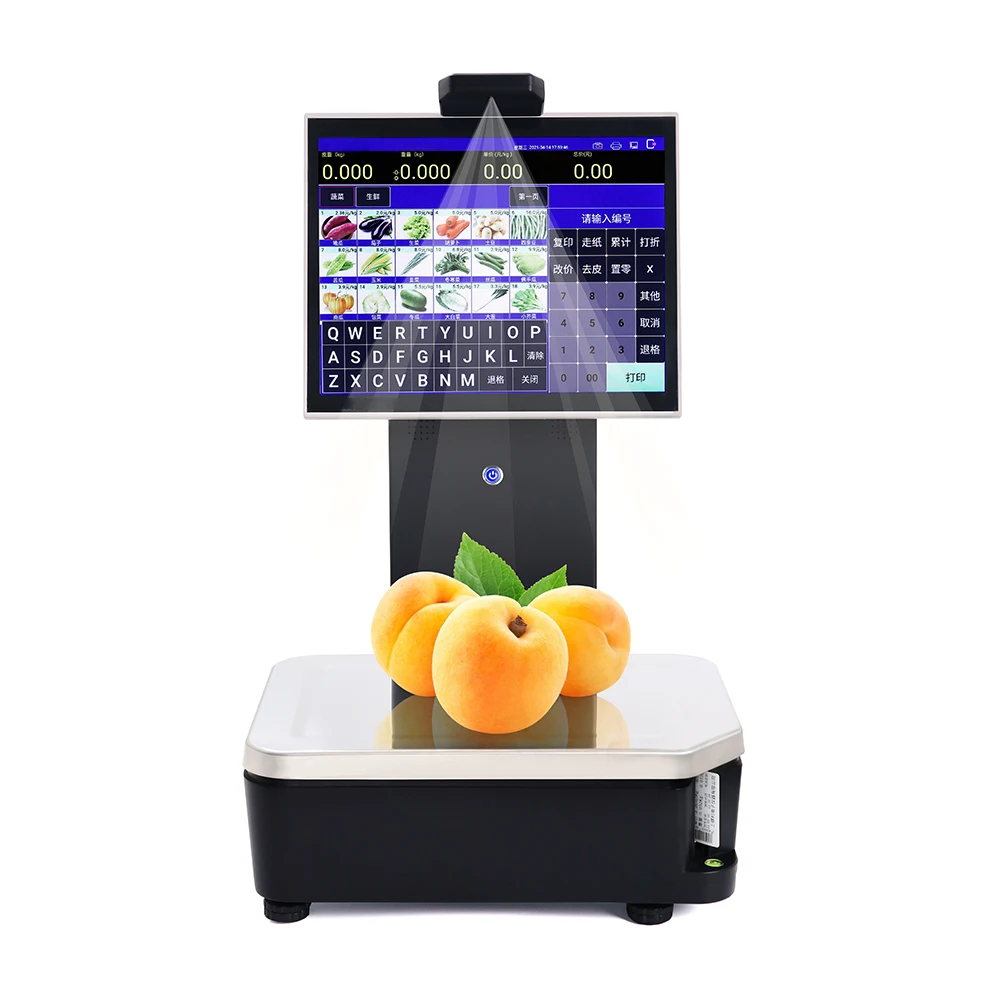
Smart scales now combine advanced sensors with machine learning algorithms, transforming basic weighing equipment into smart operation centers. They can spot even tiny changes in product weights, accurate to about 0.1%, while keeping track of how inventory moves around. Grocery stores report around 40% fewer restocking mistakes since adopting these systems according to Deloitte's findings from last year. What makes them different from regular scales? These AI-powered versions blend multiple sensor inputs together. They check weight readings against what cameras see on shelves, where RFID tags are located, and past sales trends. All this layered information helps make automatic fixes possible. For instance, the system might alert staff when something gets put in the wrong place before it causes problems for the whole supply chain setup.
A 5 pound produce tray losing 12 ounces doesn't go unnoticed when AI scales are in play. These smart systems do much more than simply track the weight loss. They automatically update inventory numbers as we speak, start discounting items that might spoil soon, and ping staff members right away via their phones. Stores implementing such responsive technology typically cut down on wasted stock by around a quarter without letting shelves sit empty for long periods. The math happens fast too with these systems crunching about 120 weight checks against inventory every single second. This beats out traditional methods where it used to take anywhere from two to three hours to catch discrepancies manually, making real time restocking actually possible in practice.
AI scales streamline retail workflows—from inventory management to checkout—by eliminating manual data entry, minimizing human error, and delivering actionable insights across store networks.
Smart scales powered by AI handle all sorts of repetitive work like weighing products, sending alerts when shelves need restocking, and checking shipments against orders. According to recent data from BP-3 (2023), stores using these systems saw their fulfillment costs drop by about 30%, mainly because employees weren't wasting so much time doing those tedious inventory counts manually anymore. The real magic happens when these AI tools connect with warehouse management software. Take the example from Hypestudio research where one major retailer managed to shift roughly 20% of its front line staff into positions where they interact directly with customers instead of just moving boxes around behind the scenes. And guess what? Their day-to-day operations didn't suffer at all during this transition period.
Embedded AI analyzes real-time weight data to prioritize frontline tasks via mobile alerts—such as identifying misplaced items or flagging approaching expiration dates on perishables. This “digital operations assistant” cuts routine inspection time by 45%, freeing employees for higher-value activities like personalized customer engagement.
While 68% of retail workers initially express concern about job displacement, stores that implement AI scales alongside retraining programs see 22% lower turnover rates than industry averages. Successful deployments pair automation with internal mobility pathways—training cashiers as inventory specialists or tech supervisors—to build a more resilient and adaptable workforce.
AI scales come with multiple sensor setups that give detailed insight about how inventory moves around, spotting even small weight changes down to about 0.1% across different storage areas. When combining information from load cells along with RFID tags and those little temperature sensors connected to the internet, stores can actually keep tabs on when products expire and monitor how long items stay fresh right there on the shelves. The whole system cuts down on having to manually check stock by roughly three quarters and brings inventory tracking accuracy up close to 99.5%, according to research published last year by Springer.
Machine learning algorithms analyze real-time weight fluctuations in produce sections, apparel racks, and bulk displays to predict demand spikes 3–5 days faster than legacy systems. Retailers using AI-scale forecasting experience 25% fewer overstock situations and 19% fewer last-minute supplier orders (Commport 2024), demonstrating how weight-based insights streamline procurement.
When AI scales detect low-weight thresholds in high-turnover categories like electronics or cosmetics, they automatically generate optimized restocking routes for warehouse teams. This weight-driven approach reduces excess buffer stock by 33% compared to fixed-interval models.
Bidirectional integration between AI scales and Electronic Point of Sale (EPOS) systems allows automatic inventory deductions during checkout and syncs real-time stock levels to mobile devices used by staff. This alignment eliminates discrepancies between digital records and physical availability, resolving 83% of customer complaints about advertised-but-unavailable products.
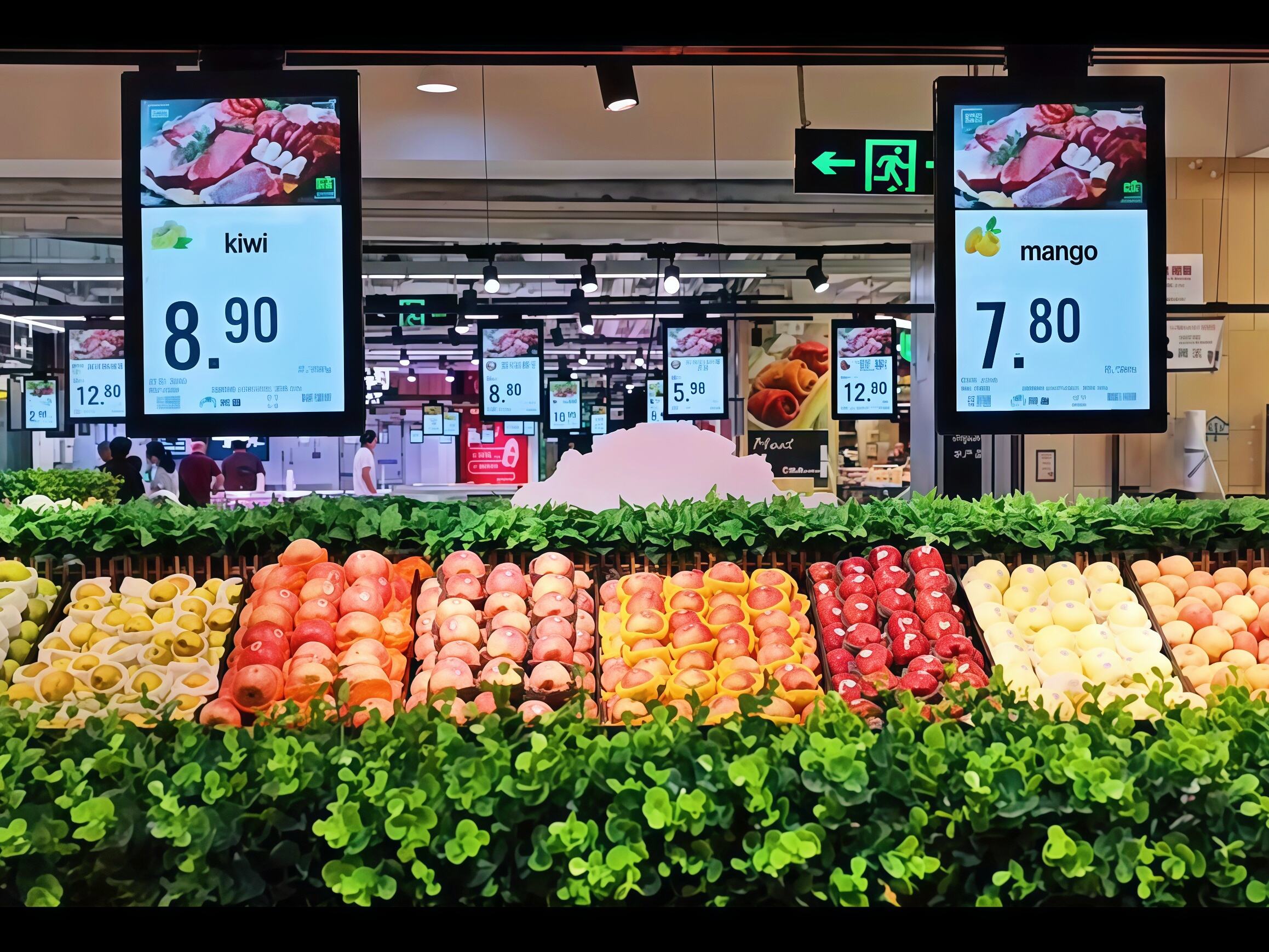
Smart scales equipped with AI technology can adjust prices instantly based on various product characteristics. Think about things like weight when dealing with bulk items, how fresh something still is for stuff that goes bad quickly, and what customers are actually buying right now through point of sale systems. Take a look at what happens at deli counters for example. These intelligent scales might slash prices around 12 percent on meats that are getting close to their sell by date, but then jack up the cost about 8 percent for those fancy artisan cheeses people love during busy times. According to recent research published last year in the field of retail pricing strategies, machine learning algorithms handle all these calculations roughly half again as fast compared to when humans do it manually. That kind of speed makes a big difference in competitive markets where every second counts.
Generative AI leverages large datasets to craft smart promotional strategies. For instance, it can spot when certain fruits and veggies are sitting around too long based on their weight patterns and then automatically trigger flash sales. The system also creates bundles when it detects items that go well together, like offering 15% off potato chips when someone buys guacamole. And when customers scan their loyalty cards at checkout, special tiered pricing kicks in right away. According to results from a test run last year, these AI generated deals had about 19 percent better redemption rates than what humans came up with manually. What makes this technology really powerful is how quickly everything works together across different platforms. Within just 35 seconds or so after making changes, all stores see updated prices. This means bakeries can adjust morning prices based not only on how much bread they made but also considering local customer traffic patterns affected by things like rain or snowfall.
Key Impact: Stores using AI-driven dynamic pricing report 5–10% gross profit increases within six months of implementation (retail operations benchmark 2023).
AI scales today are combining weight sensors with computer vision technology to create what some call a double layer security approach. The cameras positioned above checkout counters actually look at things like how products are shaped, what kind of packaging they come in, where exactly they sit on the conveyor belt, and then compare all that information with what the system expects based on weight measurements. These systems catch tricky cases too, such as when someone tries to trick the machine by putting expensive steak ($12 per pound) right over cheaper chicken ($4 per pound) barcodes. According to research from Ponemon Institute back in 2023, this sort of error costs stores around 740 thousand dollars every year just because nobody catches it at checkout. What makes these new AI systems different from older ones is their ability to learn from past transactions and spot unusual activity almost instantly before any damage happens.
When shoppers swap expensive goods for cheaper ones at self checkout, it costs retailers big time. This kind of substitution fraud makes up around 23 percent of all losses from self service registers. The good news is that artificial intelligence powered scales help stop this trickery by checking if what's being weighed matches what should be expected for that product category. Imagine scanning a half pound onion but getting charged for a five pound watermelon - the system would catch something fishy right away. Stores that have implemented these smart weighing technologies are seeing about two thirds less instances where employees need to manually override discrepancies, per findings released in the latest Retail Security Report from 2024.
One major US grocery chain recently rolled out smart scales powered by edge computing technology to catch shoplifting right at the checkout counters instead of relying on slow cloud processing. During testing over half a year period, these systems stopped around $1.2 million worth of expensive item swaps, spotted over 18 thousand instances where customers tried hiding stuff in their bags, and correctly identified messed up barcodes about 9 out of 10 times. The store saw its yearly losses drop by roughly 40%, while keeping those checkout lines moving fast enough that most shoppers didn't wait longer than a minute or so. What's interesting is how this fraud detection data actually starts influencing stock management decisions now. When certain products show up repeatedly in suspicious transactions, managers get alerts to adjust ordering patterns, which creates this feedback loop between security measures and day to day business operations.
AI scales are advanced weighing systems that integrate artificial intelligence and sensor technologies to enhance store operations by detecting minute changes in product weight, automating inventory management, and preventing retail losses.
AI scales improve supply chain operations by providing accurate real-time insights into inventory levels, optimizing restocking schedules, improving demand forecasting, and reducing waste and overstock situations.
Yes, AI scales detect and reduce fraud by using computer vision and weight-sensor technology to identify discrepancies in product recognition and prevent common tricks such as substitution fraud at checkout lanes.
AI scales reduce labor costs by streamlining repetitive tasks and enable employee retraining into higher-value roles, thereby decreasing job displacement concerns while decreasing turnover rates.
 Hot News
2024-09-14
2024-11-18
2023-11-14
2023-04-12
2019-07-11
We specialize in advanced electronic retail solutions to streamline operations and smarten up the shopping experience.