EN
EN

Retailers leveraging AI scales achieve 30% faster inventory processing and 22% lower operational costs through automated weight-based analytics (2024 Logistics Research). These systems optimize three core retail functions:
A supply chain optimization case study shows AI scales reduced out-of-stock events by 20% and improved delivery route efficiency by 15% for a multinational retailer. Early adopters report 9-month ROI timelines, with 87% of implementations expanding to adjacent operational areas like energy usage monitoring and compliance auditing.
Implementation strategies should prioritize:
Global adoption rates increased 140% year-over-year, particularly in grocery (68% penetration) and luxury goods (49% penetration) segments, driven by mounting pressure to offset 17% annual labor cost increases.
Old school demand forecasting has pretty big problems, with error rates often sitting somewhere between 30% and maybe even 50%. This happens because these traditional methods rely on fixed models and data that comes in too late (Market and Markets report from 2025 mentions this). Artificial intelligence systems tackle this issue head on by looking at what's actually happening right now with sales, checking out weather conditions, and watching those social media signals too. Retailers using AI have seen their error margins drop quite a bit, around 19% down to about 34% less mistakes. What's really interesting is how these smart algorithms can adjust inventory choices every single hour rather than waiting until the end of the week. Some test programs showed that this approach cut down on extra stock by roughly 22%, which makes a huge difference for businesses trying to manage costs.
Modern machine learning systems can spot those invisible factors behind changing customer demands. They look at things like how buying habits shift regionally based on loyalty card data, when suppliers start taking longer to deliver products, and even connections between different product categories. Take sunscreen sales for instance, which often predict what people will want in terms of bug spray later on. According to Supply Chain Digest's 2024 report, these smart systems hit about 92% accuracy when predicting what consumers will need over the next eight weeks. That beats what humans typically manage by around 31 percentage points, making them pretty valuable tools for businesses trying to stay ahead of market trends.
A European grocery leader reduced out-of-stocks by 37% after deploying AI scales that integrate shelf-level camera feeds, delivery truck GPS data, and promotion impact models. This hybrid approach enabled automatic order increases for 12 high-demand categories during unexpected heatwaves, preserving €2.8M in potential lost sales.
RFID tags powered by artificial intelligence along with weight sensors keep track of inventory almost instantly, automatically ordering restocks whenever stock drops below certain levels. One major grocery delivery company in North America saw a dramatic drop in fulfillment mistakes after implementing shelf sensors. These smart devices spot when products get put in the wrong place on shelves. They also help direct employees to areas where stock is running low during busy times. Plus, they tweak what gets ordered from suppliers depending on how often customers substitute one item for another. The results? A massive 61% reduction in errors for this retailer.
By analyzing 140,000 store layouts and 83 million monthly shopper interactions, a retail tech provider developed AI scales that:
| Metric | Pre-AI (2022) | Post-AI (2024) |
|---|---|---|
| Shelf restocking speed | 3.2 hours | 47 minutes |
| Product location errors | 19% | 4% |
| Click-to-delivery time | 28 hours | 9.5 hours |
The system’s computer vision component alone reduced partner stores’ inventory audit costs by $420K annually per location.
Brick-and-mortar retailers face unprecedented financial pressures, with 74% reporting operational cost increases exceeding 15% annually since 2022 (Bain & Company 2025). Traditional cost-cutting measures no longer address systemic inefficiencies in labor allocation, inventory waste, and dynamic pricing across physical networks.
Modern AI scales analyze 53% more variables than legacy systems when optimizing workforce schedules and delivery routes. Leading solutions balance strategic pricing rules, real-time competitor data, and margin protection—a capability proven to increase gross profits by 2–5 percentage points in 2024 trials.
A used vehicle retailer implemented machine learning algorithms to dynamically price over 120,000 inventory units, reducing average turnover time by 22% while maintaining 98% pricing accuracy against market benchmarks. Their AI system processes 57 pricing variables daily, up from the previous manual model’s 12-factor analysis.
Mid-sized retailers ($50M–$500M revenue) report 18-month ROI figures exceeding 240%, primarily through AI-driven labor cost reductions averaging 20% combined with 12–15% lower inventory carrying costs. These results confirm AI scalability beyond enterprise-scale operations.
Generic marketing campaigns are becoming obsolete as 74% of consumers now expect tailored interactions (NVIDIA 2025). Retailers leveraging AI scales analyze browsing patterns, purchase history, and real-time behavior to deliver hyper-personalized product suggestions and promotions.
Advanced algorithms generate dynamic content such as customized email campaigns and adaptive website layouts based on individual preferences. A 2025 industry survey found AI-driven personalization improves conversion rates by 26% while reducing campaign development time by 40%.
One global marketplace reduced cart abandonment by 18% after deploying generative AI for real-time product bundling. By cross-referencing inventory data with user demographics, the system suggests complementary items, increasing average order value by $29.
Modern virtual assistants resolve 68% of inquiries without human intervention by analyzing emotional cues and contextual nuances. For example:
| Metric | Traditional Chatbots | AI-Driven Chatbots |
|---|---|---|
| Query Resolution Rate | 42% | 68% |
| Customer Satisfaction | 3.1/5 | 4.4/5 |
A luxury apparel brand integrated AI avatars that simulate in-store stylists through video interactions. This reduced returns by 23% and increased accessory attachment rates by 31% within six months. Leading telecommunications providers report similar systems cut call center loads by 39% annually.
The rise of AI scales enables retailers to deploy these solutions across thousands of locations simultaneously, creating seamless omnichannel experiences that blend digital efficiency with human-centric service.
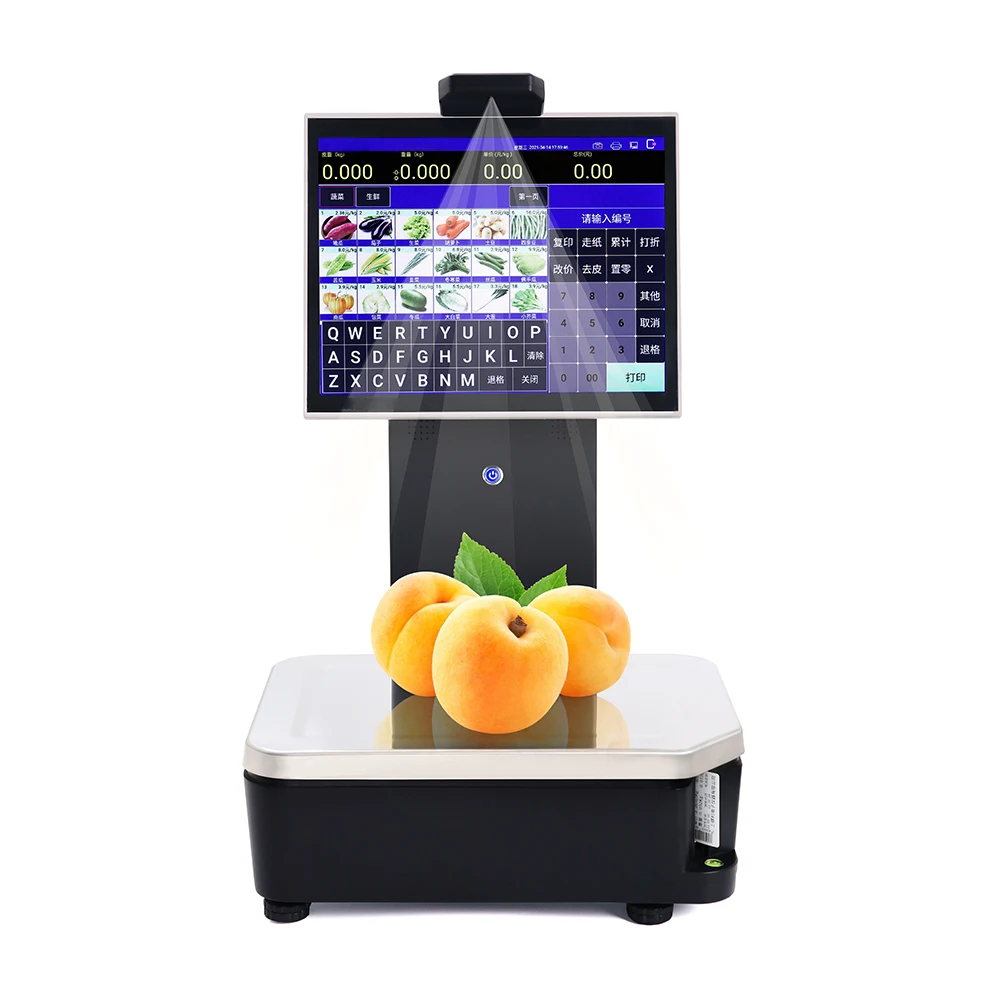
AI scales in retail refer to systems that utilize artificial intelligence for tasks like inventory management, demand forecasting, and operational efficiency using weight-based analytics.
AI scales enhance inventory management by offering real-time tracking and automatic replenishment, reducing errors and ensuring timely stock updates.
AI models in demand forecasting allow for adaptive and real-time updates in inventory management, reducing errors and better predicting customer demand.
AI can reduce operational costs through efficient labor allocation, optimized pricing strategies, and minimizing inventory waste.
 Hot News
2024-09-14
2024-11-18
2023-11-14
2023-04-12
2019-07-11
We specialize in advanced electronic retail solutions to streamline operations and smarten up the shopping experience.